Masonry in Cornwall, NY by Super Landscaping Inc

Masonry in Cornwall, NY

Super Landscaping Inc builds walls, patios and steps on these hillsides. Under the topsoil here sits glacial till, and under that, hard gneiss. Where the rock starts decides the price. Masonry in Cornwall, NY begins with a probe, not a guess.

Stone That Sits on Till and Gneiss

Masonry in Cornwall, NY means working two layers of ground. Cornwall masonry covers retaining walls, freestanding walls, patios, walkways and steps. Black Rock Forest sits on metamorphic gneiss of feldspar, quartz, amphibole, pyroxene and mica. Glacial till covers much of that rock through the town. A footing lands in one or the other. Cornwall stone walls get priced after we know which.

What Happens When We Hit Rock

Every wall here starts with a probe of the ground. We dig test holes along the line before we price it. Till is a mix of clay, sand, gravel and stone. It digs, but it fights a bucket the whole way. Gneiss is another matter and does not move for a machine. Hitting it changes the footing plan, not just the hours. We would rather find it in a test hole.

Rock near the surface is not always bad news for masonry in Cornwall, NY. Competent rock makes the best footing a wall can get. Nothing settles on it, because there is nothing left to settle. We pin the first course and build off that. The problem is rock at an angle or in ledges. Then one end of the wall sits on rock and the other on till. Two different bearings under one wall is how walls crack.
Footings in Glacial Till

Till behaves differently than the fill people assume is there. It was dropped by ice, not placed by a machine. That means it is dense in some spots and loose in others. Dense till carries a wall well once the footing is wide enough. Loose pockets have to come out and get replaced with stone. We dig to competent material rather than to a set depth. The frost line is the minimum here, not the target.

Water is the other half of a footing in till. Clay in the mix holds water against the back of a wall. That water freezes and pushes, and the wall moves first. Every retaining wall we build gets drainage stone and a drain line. The fabric goes in before the backfill, not after. Cornwall retaining walls fail at the drainage long before the stone. We build that part whether or not anyone sees it.

Chapter Seventy Five and Local Stone

The town has a clearing and grading chapter worth reading. Chapter seventy five lists which activities need a permit and which do not. It also sets what the application has to include. A wall with real excavation behind it can land inside that list. We check your scope against the chapter before anything is booked. Then we prepare and file the paperwork ourselves. Masonry repair in Cornwall on an existing wall usually files nothing.

There is good stone in this ground already. Old walls here were built from what came out of the field. We reuse that stone when the face is still sound. It matches the age of the property better than anything delivered. Where a wall needs new stone, we match color and course height. A repair that reads as a repair is a failed repair. We set the new work to disappear into the old.

How Rock Changes the Plan

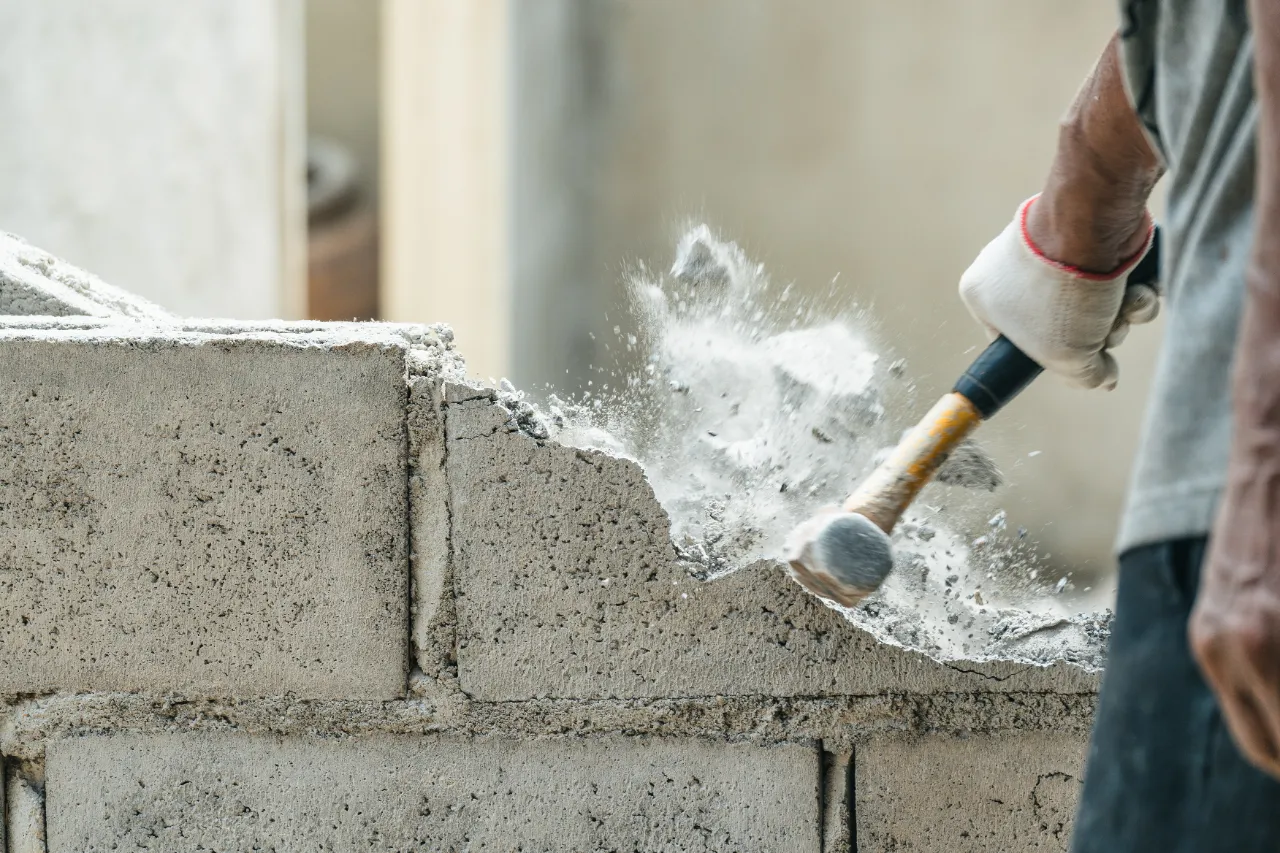
Removing old concrete before new masonry in Cornwall, NY

Rock Probed First

Test holes go in along the wall line before any pricing. Finding gneiss in a hole beats finding it with a machine.

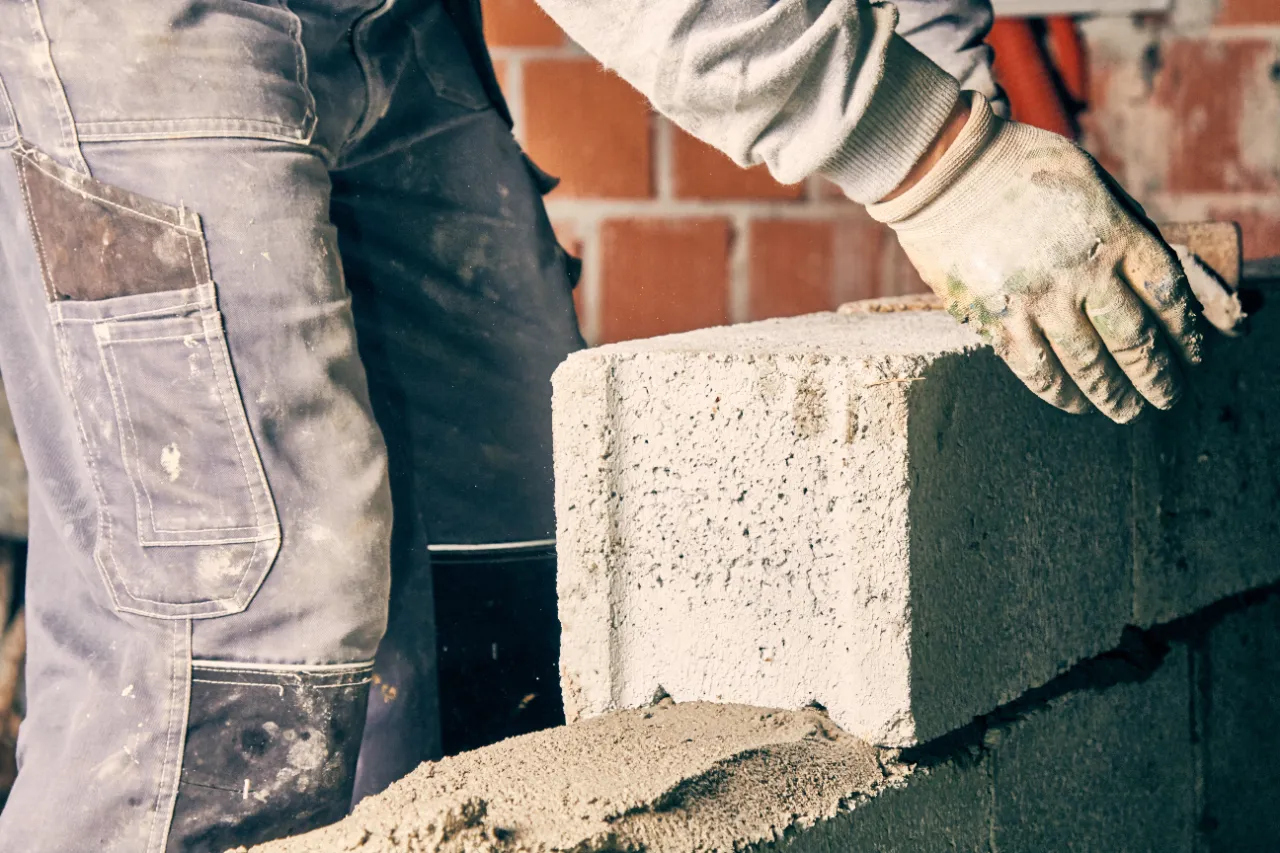
Mason laying blocks for a wall in Cornwall, NY

Dug to Competent Material

Loose till pockets come out and get replaced with clean stone. We dig to bearing, not to a number on a plan.

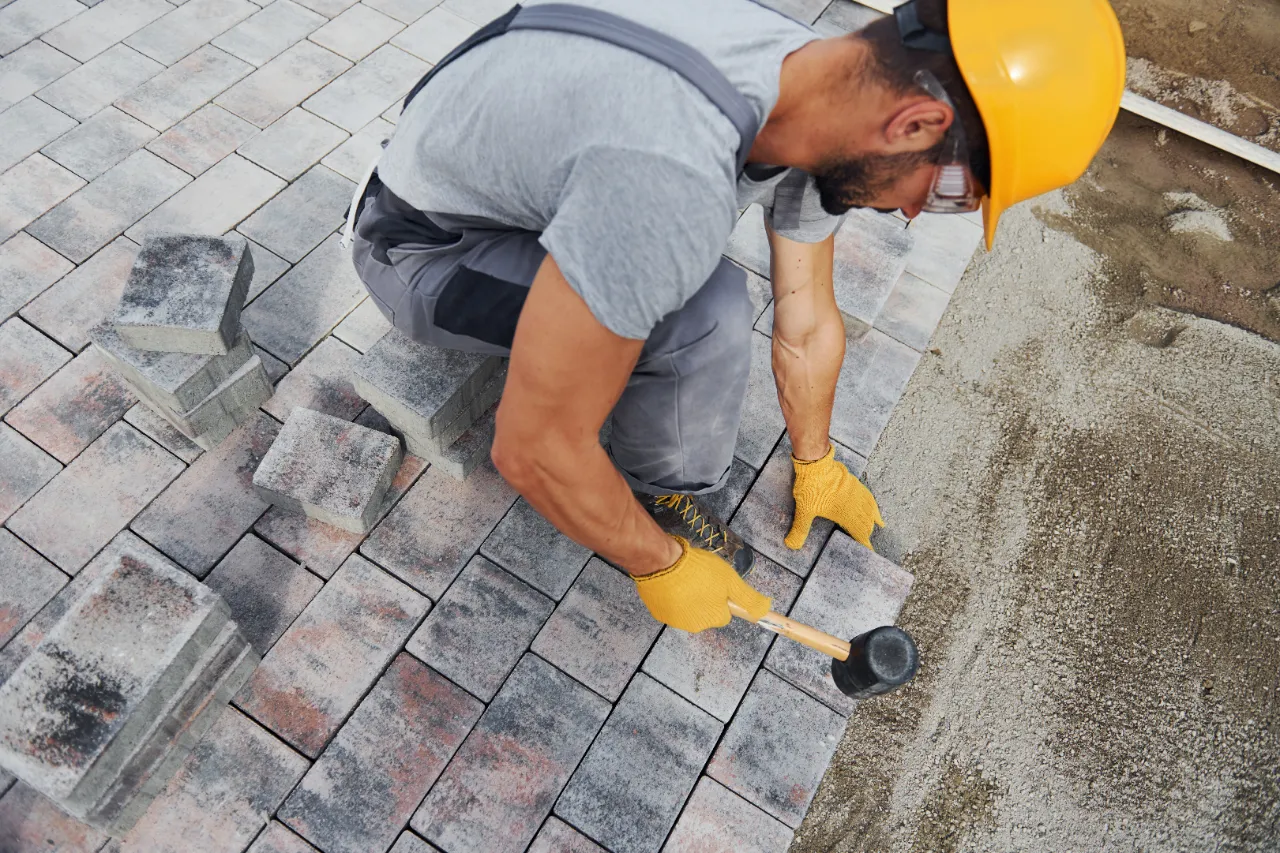
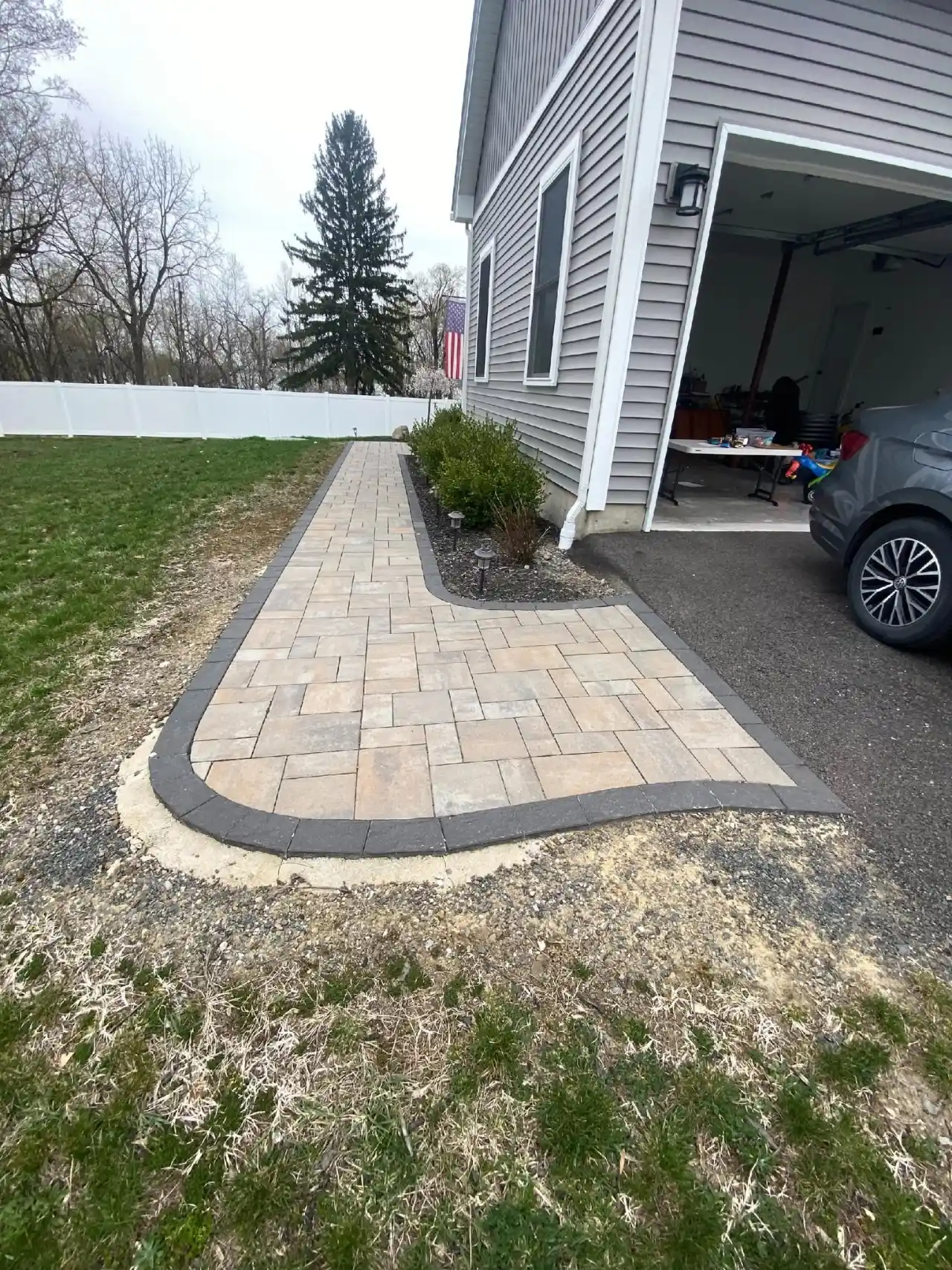
Laying stone pavers for a patio in Cornwall, NY

Drainage Before Backfill

Stone, fabric and a drain line go in before any backfill. Clay in the till holds water right against the wall face.

Stone wall masonry in Cornwall, NY

Field Stone Reused

Sound stone from the old wall goes back into the new one. It matches the property better than anything on a truck.

What a Probe Changes on Your Lot

Here the ground under the wall is the whole question. This is what probing the Cornwall lot first actually changes.

  • Test holes along the wall line go in before any price
  • Ledge rock at an angle gets found before the footing is set
  • Loose till pockets get dug out instead of built on
  • Drainage stone, fabric and pipe go in before the backfill
  • Chapter seventy five gets checked and filed by us when it applies
  • Sound field stone from the old Cornwall stone walls gets reused
  • One bearing under the whole wall, not two different ones

Masonry FAQs in Cornwall, NY

We tell you before we start, because the test holes find it first. Competent rock is the best footing a wall can have. Ledge at an angle is the problem, and we plan the footing around it. That holds for all stonework in Cornwall.

Sometimes. Chapter seventy five lists the clearing and grading activities that need one and the activities that are exempt. We check your scope and file the paperwork when it applies to retaining walls in Cornwall.

Usually yes, where the face is still sound. Cornwall stone walls were often built from field stone, and that stone matches the property better than anything delivered. We tell you how much is reusable.

Almost always drainage. Clay in the till holds water behind the wall, it freezes and it pushes. Cornwall retaining walls without stone, fabric and a drain line move.

To competent material, which is not always the frost line. Till is dense in some spots and loose in others. We dig until the bearing is the same under the whole run of stonework in Cornwall.

Often, yes. Masonry repair in Cornwall is often possible on a sound wall. We rebuild the failed part plus the drainage behind it. We say plainly when the whole wall has to come down.

Probe the Ground, Then Build the Wall

Send us the address and we will dig test holes and measure the whole run of Cornwall stonework. Footing depth gets set at the walk.