Masonry in Montgomery, NY by Super Landscaping Inc

Masonry in Montgomery, NY

Super Landscaping Inc builds walls and steps inside this village's two historic districts. Here the Review Board decides the material before you do. A wall seen from the public way must be brick or stone. Masonry in Montgomery, NY starts with that rule.

Where the Board Picks the Material

Masonry in Montgomery, NY runs under a written design guide. Montgomery masonry covers retaining walls, steps, patios, walkways and repair. The village has two National Register districts. Bridge Street holds twenty eight houses, and the oldest dates to seventeen ninety two. Union Street and Academy Hill cover eighty three buildings. Montgomery stone walls inside those districts follow the board's guide, not a preference.

Brick or Stone, Not a Choice

The design guide is specific about retaining walls here. Walls visible from the public way have to be brick or stone. That rules out block, timber and the usual budget options. It also prohibits chain link fence anywhere it would show. We design to that language from the first sketch. Nobody wants to build a wall twice over a material question. So the material conversation happens before the price does.

Brick and stone are not interchangeable on a village street. We look at what the house and its neighbors already use. A Federal house on Bridge Street reads one way. A Queen Anne on Academy Hill reads another. Masonry in Montgomery, NY is a matching exercise as much as a build. We bring samples to the property before anything gets ordered. Seeing the stone next to the house settles most debates.
The Wall You Already Have

The guide asks that the existing landscaping be preserved. It names walks, walls and gardens directly in that list. So the old wall on your lot is not automatically removable. That surprises people who are planning a clean slate. We start every visit by assessing what has to stay. Often the answer is to rebuild it rather than replace it. Montgomery stone walls are part of what the districts protect.

Rebuilding an old wall is different work from building a new one. We take it down course by course and keep the stone. The sound pieces always go back on the visible face. New stone fills in behind, where nobody is looking. Masonry repair in Montgomery done this way keeps the street intact. The wall looks like it was never touched. That is the result the board is asking for.

Working at a Seventeen Nineties House

Bridge Street holds houses older than the United States itself. The oldest in that district dates to seventeen ninety two. Foundations from that era are stone, often dry laid. Digging a footing next to one needs care, not speed. We hand dig within a few feet of an old foundation. A machine saves an hour and can cost a wall. That is not a trade we are willing to make.

Old mortar is the other thing to respect. Lime mortar moves and breathes, and modern mortar does not. Patching soft historic masonry with hard mortar cracks the stone. We match the mortar to what is already in the wall. That means a softer mix on the oldest Montgomery stone walls. It is slower to set and it is the right answer. We explain that at the estimate so nobody is surprised.

What the Design Guide Decides

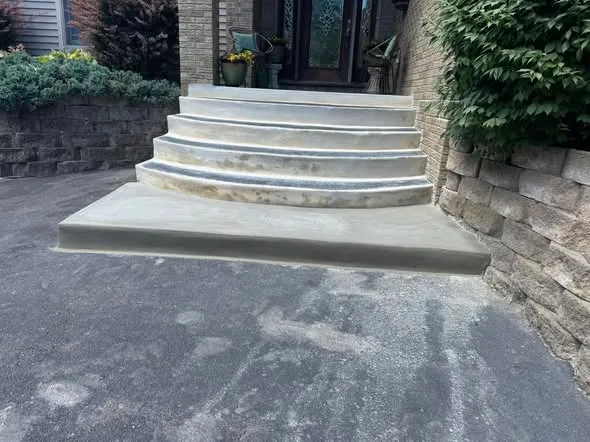
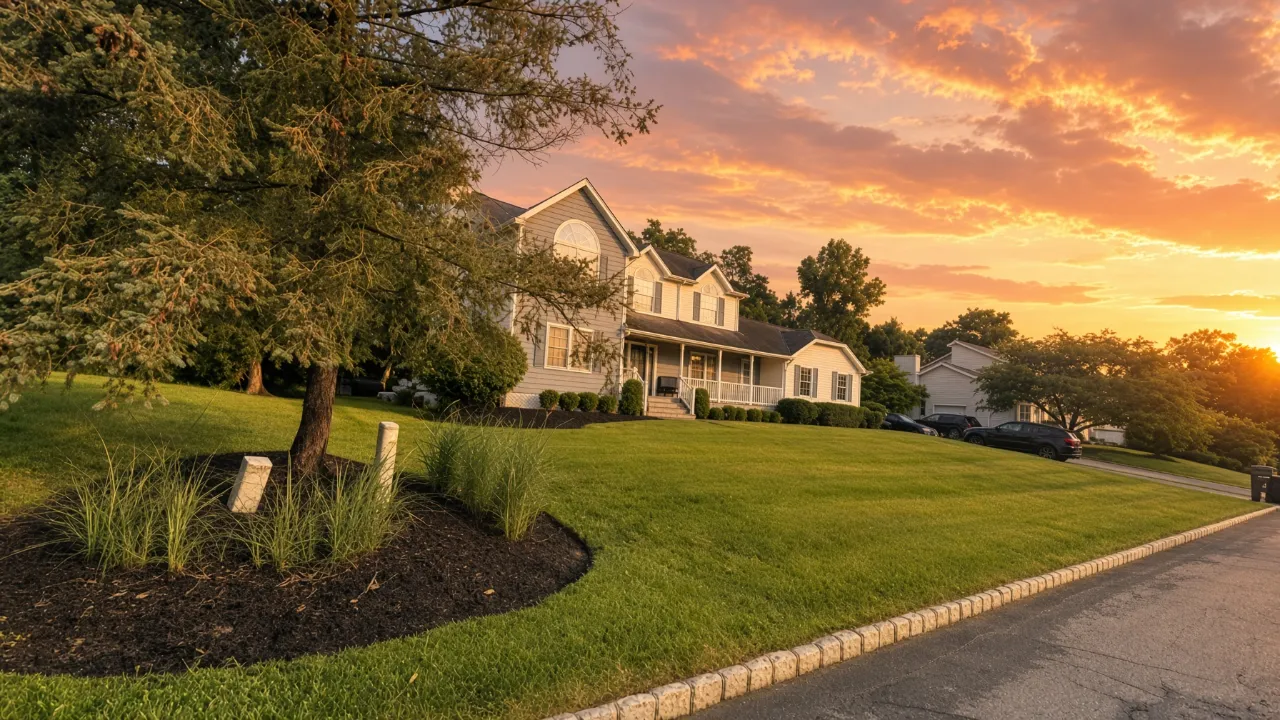
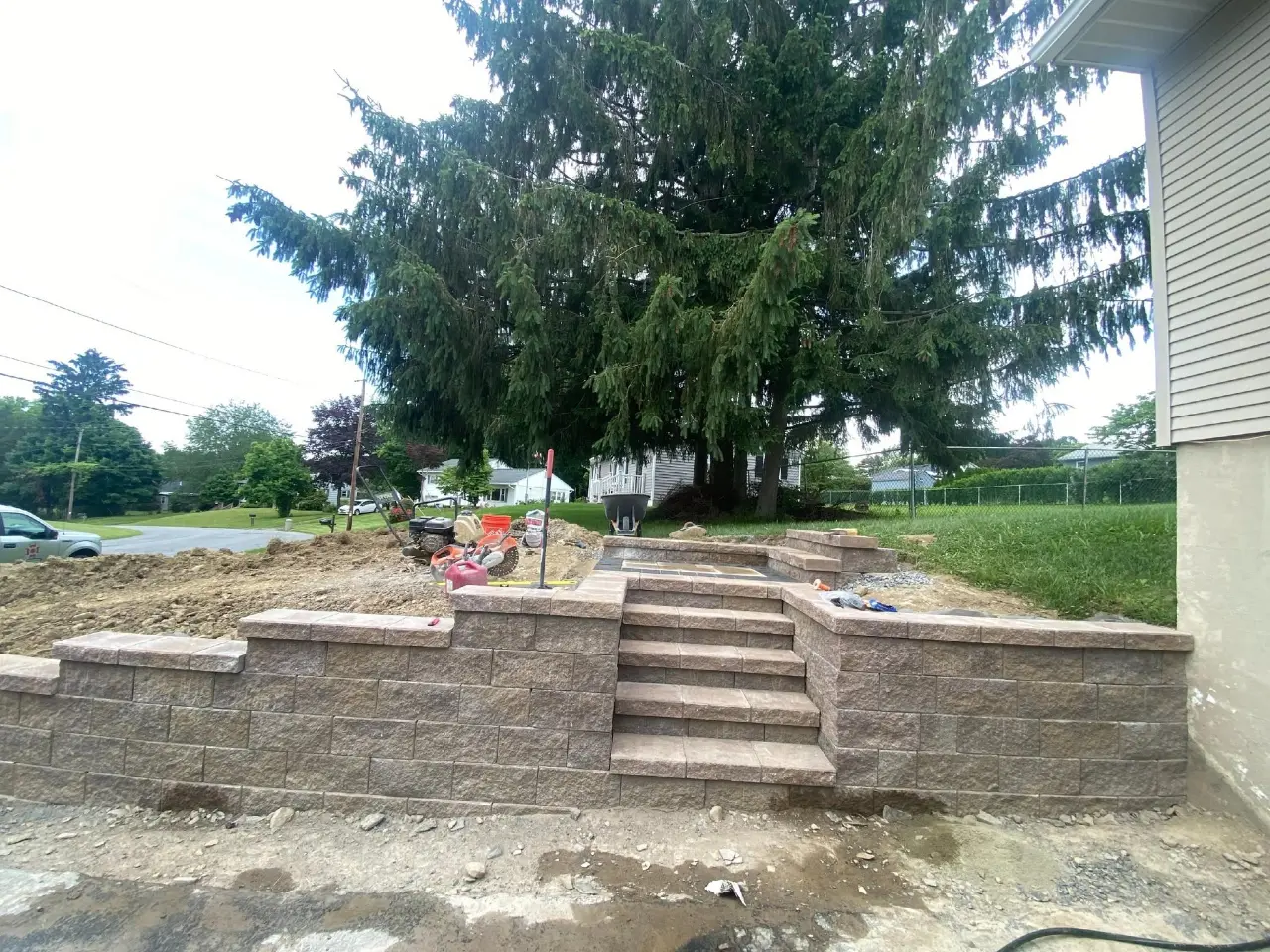
Stone steps and retaining wall in Montgomery, NY

Brick or Stone Only

Walls visible from the public way have to be brick or stone. Block and timber are simply not options in these districts.

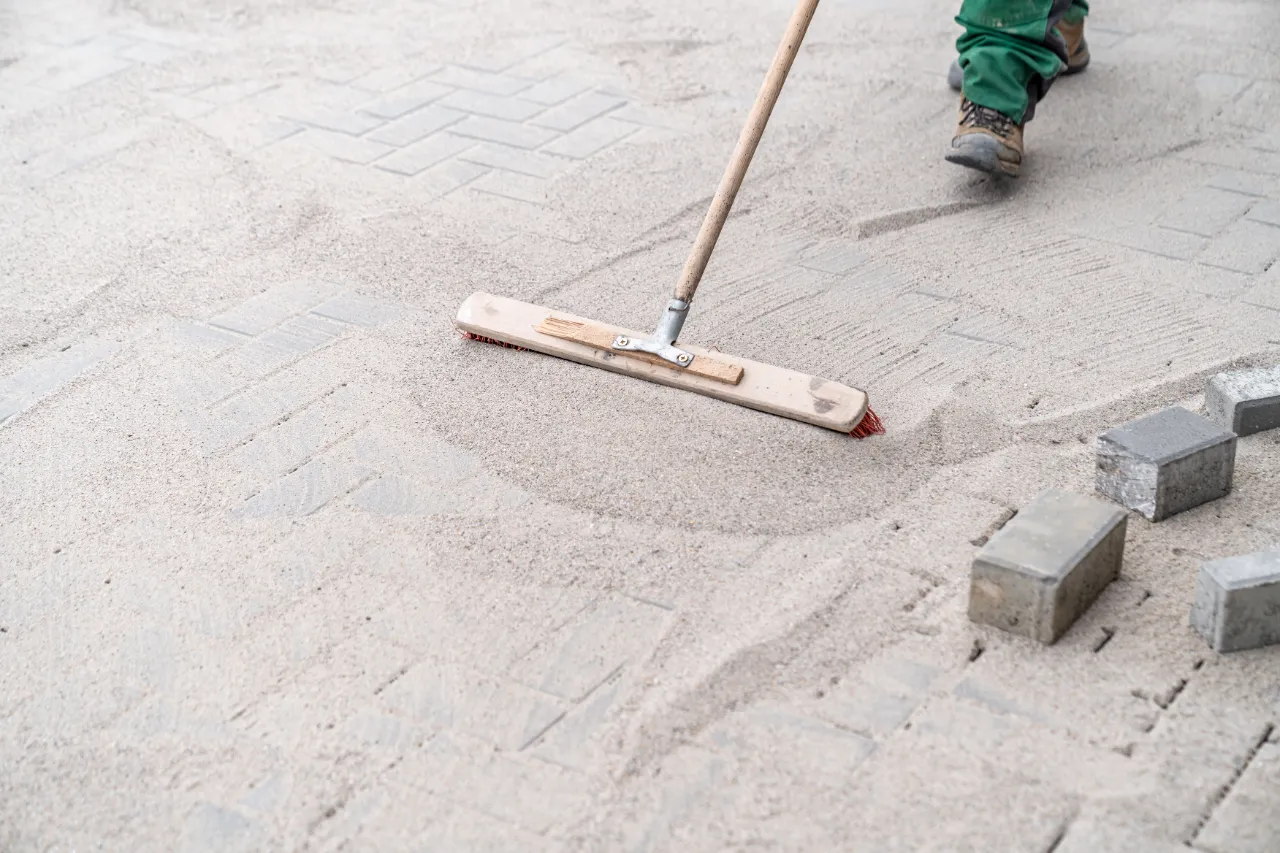
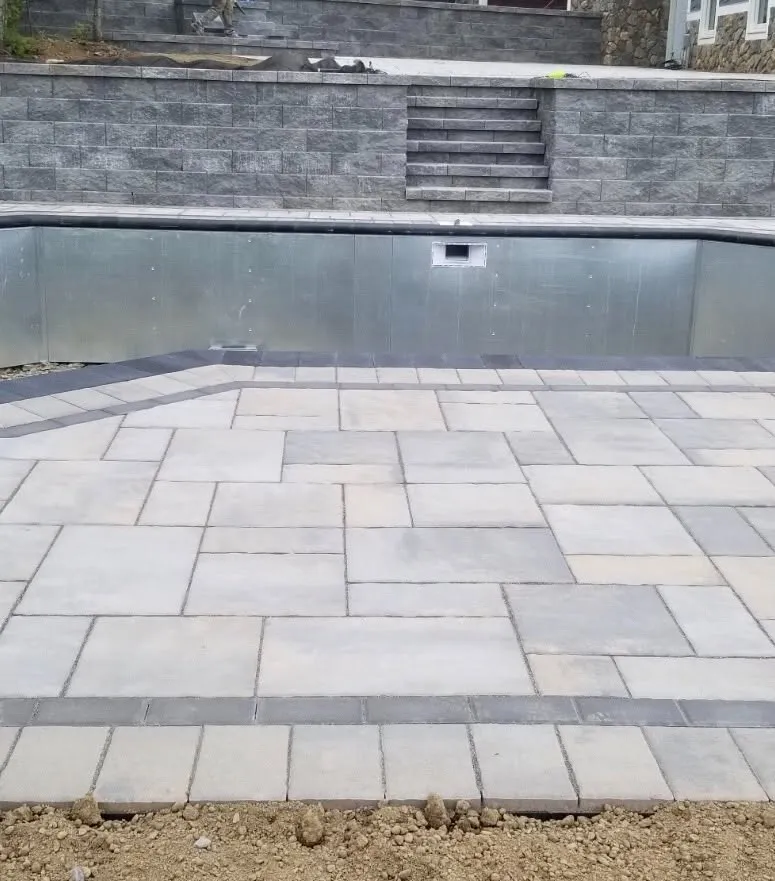
Stone patio installation in Montgomery, NY

Existing Walls Preserved

The guide names walks, walls and gardens as landscaping to be kept. We assess what has to stay on the first visit.

Stone steps built in Montgomery, NY

Stone Kept and Reused

An old wall comes down course by course with the stone saved. Sound pieces always go back on the visible street face.

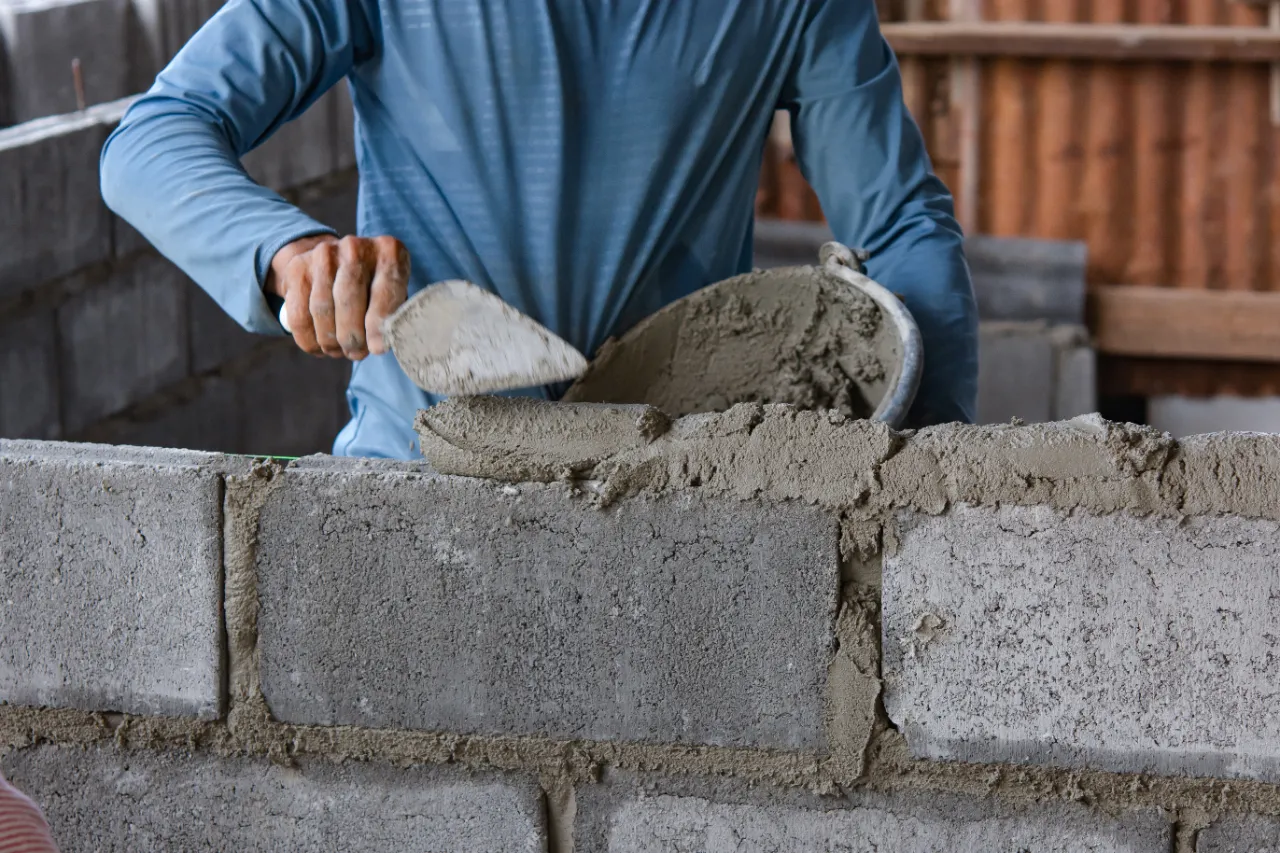
Mason applying mortar to a block wall in Montgomery, NY

Soft Mortar Matched

Hard modern mortar cracks soft historic stone over just a few winters. We match the mix to what the wall already has.

What the Guide Changes Here

In these districts the material and the old wall are both decided. Here is what following the guide first changes.

  • Brick or stone gets chosen before the price is written
  • Samples come to the property to sit next to the house
  • The existing wall gets assessed for keeping, not clearing
  • Old stone comes down by hand and the sound pieces return
  • Mortar gets matched soft where the masonry is historic
  • Hand digging happens within a few feet of old foundations
  • Montgomery stone walls get drainage behind them even in a district

Masonry FAQs in Montgomery, NY

Brick or stone, where the wall is visible from the public way. The Review Board design guide is specific about that, and it also prohibits chain link fence. We design to that language for all masonry in Montgomery.

Not always. The guide asks that existing landscaping be preserved, and it names walls specifically. Rebuilding is usually the path. We assess the Montgomery stone walls on the first visit and tell you plainly.

Yes, course by course. Sound pieces go back on the visible face and new stone fills behind. Masonry repair in Montgomery done this way keeps the street looking untouched.

Yes, by hand. Foundations from that era are stone and often dry laid. We hand dig within a few feet of them, because a machine saves an hour and can cost a wall.

Hard modern mortar cracks soft historic stone. We match the mix to what the wall already has. That means a softer blend on the oldest Montgomery stone walls. It sets slower and lasts.

The material, the matching, the hand work near old foundations and the filing. Retaining walls in Montgomery inside a district take longer. The written estimate for Montgomery masonry is free.

Build to the Guide, Not Around It

Send the address and we will check the district, bring samples and measure the whole run. The Review Board material question gets settled.