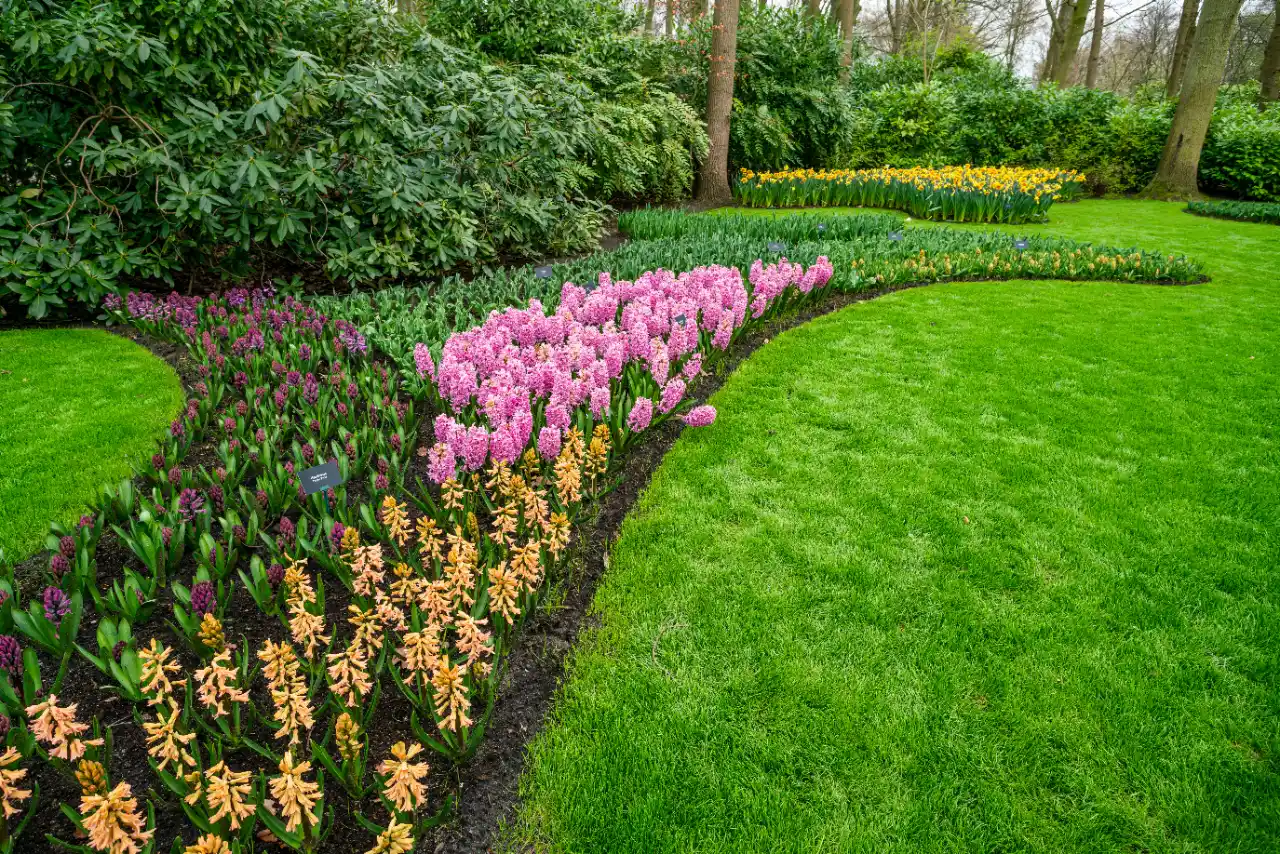
Landscaping in Blooming Grove, NY by Super Landscaping Inc

Landscaping in Blooming Grove, NY

Super Landscaping Inc plants the headwaters end of this watershed. The Cromline Creek starts in Tomahawk Lake right here. It meets the Otter Kill and becomes the Moodna downstream. Landscaping in Blooming Grove, NY sits at the top of that.

Planting at the Top of a Watershed

Landscaping in Blooming Grove, NY happens where a whole watershed begins. Blooming Grove landscaping covers rain gardens, beds, borders, shrubs and trees. The Cromline Creek rises in Tomahawk Lake inside this town. It joins the Otter Kill north of Washingtonville at three hundred feet. That junction is where the Moodna Creek actually starts. Blooming Grove landscape design carries some responsibility for that.

What Starts Here Goes Downstream

Being at the headwaters changes what a plan should do. The Cromline Creek rises in Tomahawk Lake within this town. It joins the Otter Kill and forms the Moodna downstream. Everything that washes off a lot here enters that system early. Sediment and nutrients have the whole watershed to travel through. So the design holds water on the property rather than shedding it. Blooming Grove landscaping leans on infiltration instead of pipe. That is better for the creek and for the plants.

The practical tool is a rain garden and it is simple. A shallow basin catches roof and drive runoff in one place. Plants in it tolerate standing water for a day or two. The water soaks in within that window instead of running off. The basin looks like a planted bed the rest of the time. Nobody passing sees anything unusual about it. Landscaping in Blooming Grove, NY builds those into normal designs. Done right it never reads as infrastructure at all.
Rain Garden Plants That Earn It

A rain garden only works if the planting fits the cycle. The basin floods briefly and then dries out completely. Most ornamental stock cannot handle both ends of that. So the list stays with species that tolerate the swing. Switchgrass, blue flag iris and joe pye weed all do. Red twig dogwood and winterberry hold the edges well. Blooming Grove landscape design uses those as the working core. A shrub that wants even moisture dies in the first season.

Sizing the basin is the other half of the job. Too small and it overflows in the first real storm. Too large and it never holds water long enough to matter. So the size follows the roof area that drains to it. We measure that rather than guessing from the lot size. The depth follows how fast the soil actually takes water. Each Blooming Grove landscaping plan states both of those numbers. A basin drawn by eye usually fails one way or the other.

Lot Size and the Seven Hamlets

This town holds about six thousand nine hundred fifty four housing units. That leaves about one hundred ninety seven people in a square mile. Outside the two villages the lots run genuinely large. The town also carries seven separate hamlets with their own character. Beaver Dam Lake sits low and Mountain Lodge Park sits high. Schunnemunk Mountain, the highest in the county, is on the eastern line. So a plan has to answer where in the town you are.

Large lots invite a mistake we see often. An owner tries to design the whole property at once. On two acres that produces a thin result everywhere. Better to finish one zone properly and move outward. The front, the patio surround and the drive edge come first. The far corners can wait a season without hurting anything. Blooming Grove landscaping gets phased on acreage deliberately. A finished half acre beats a sketched two acres every time.

What the Headwaters Change

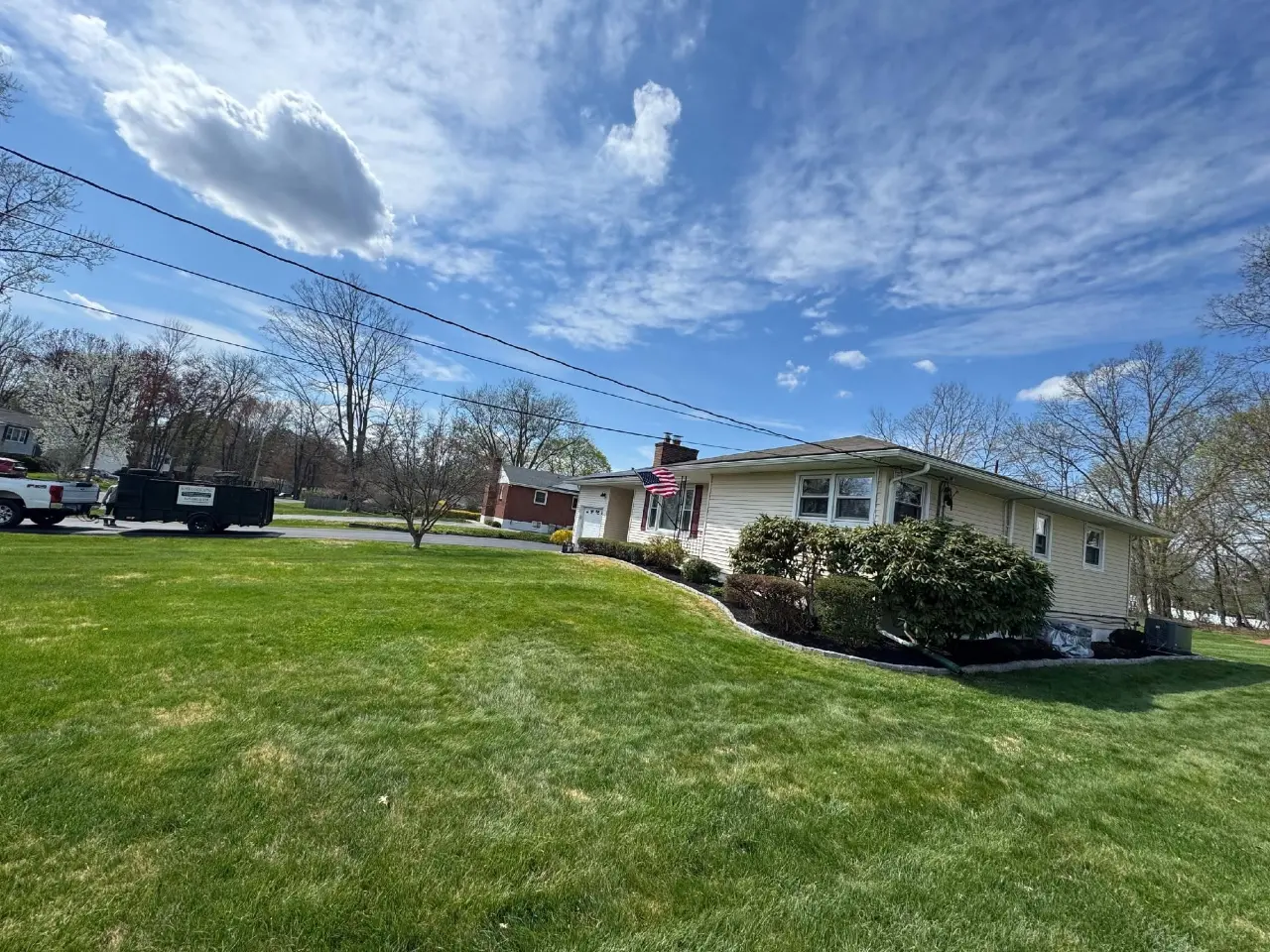
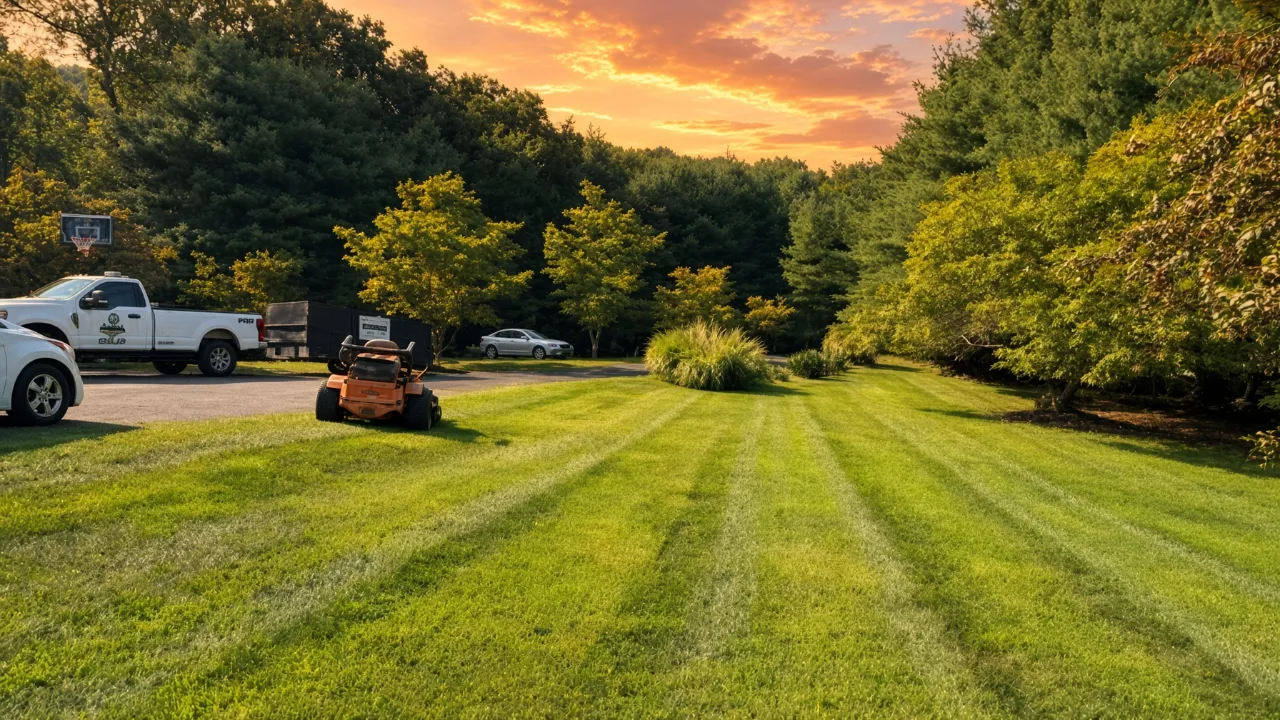
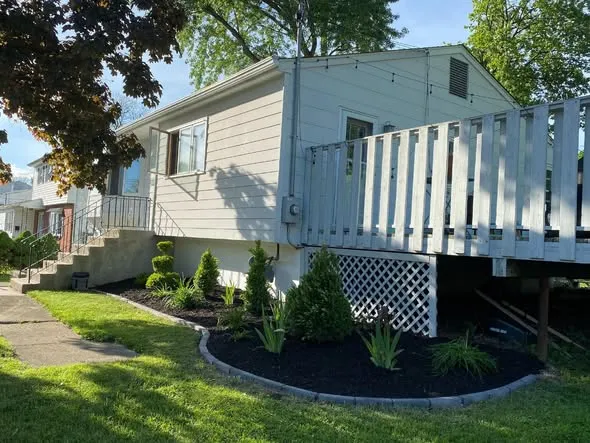
Landscaping at a home in Blooming Grove, NY

Hold the Water Here

Everything washing off a lot here enters the watershed very early. The design holds water on the property instead of shedding it.

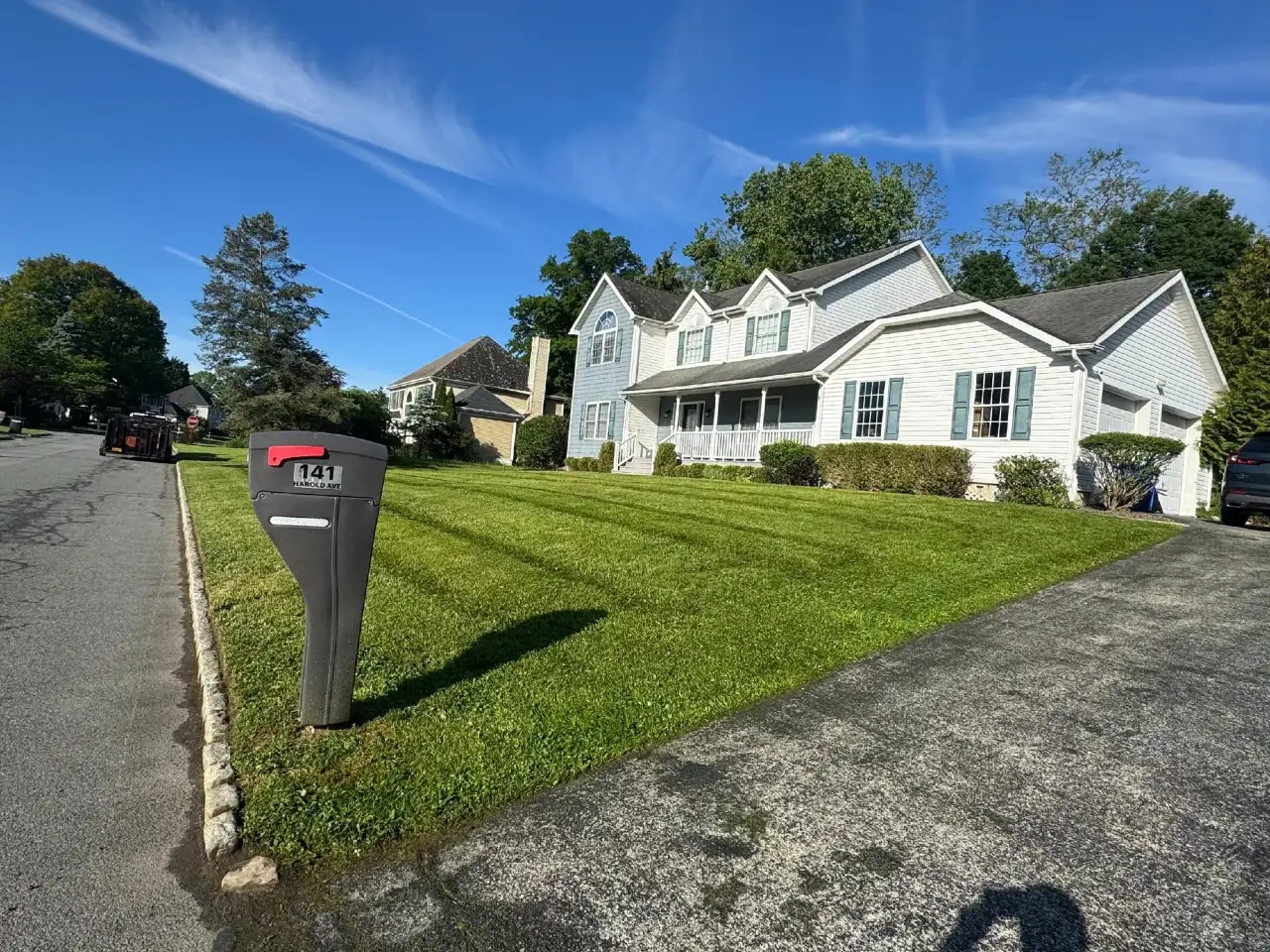
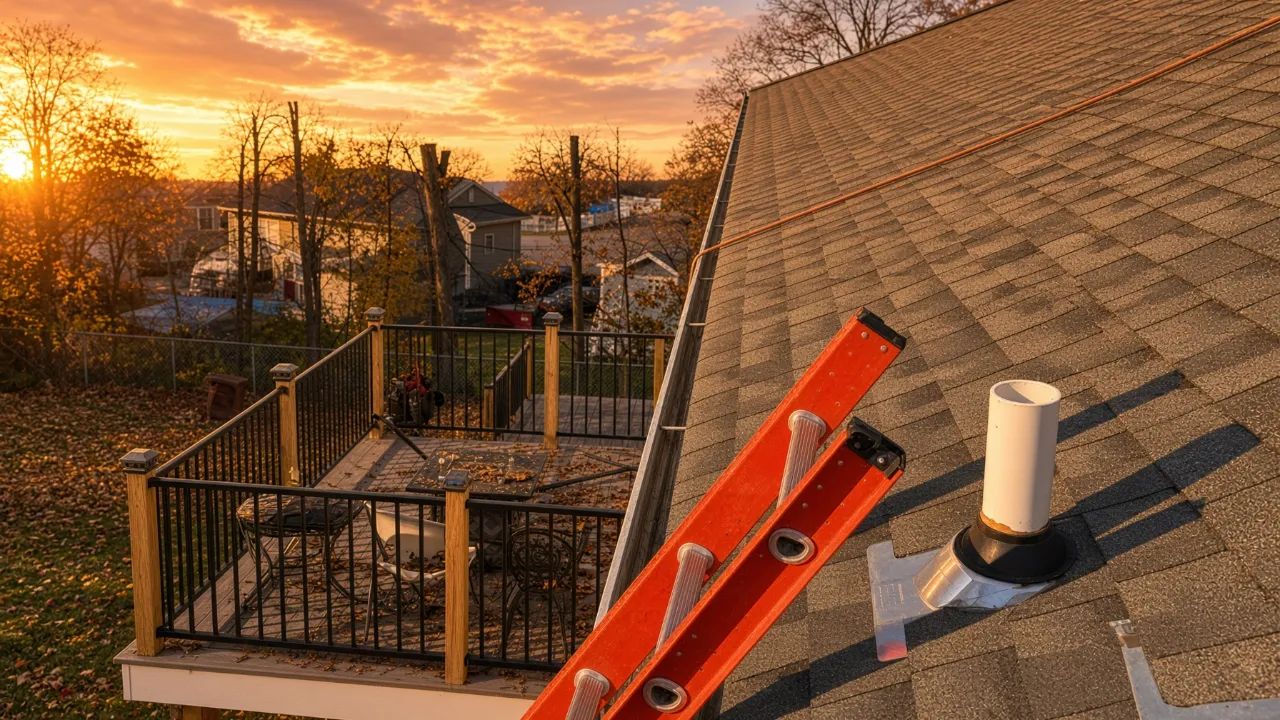
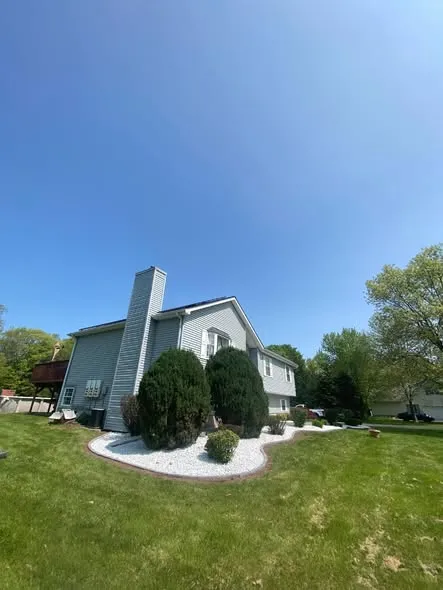
Landscaping at a home in Blooming Grove, NY

Basin Sized Properly

Too small and it overflows, too large and it never holds. The size follows the roof area that actually drains to it.

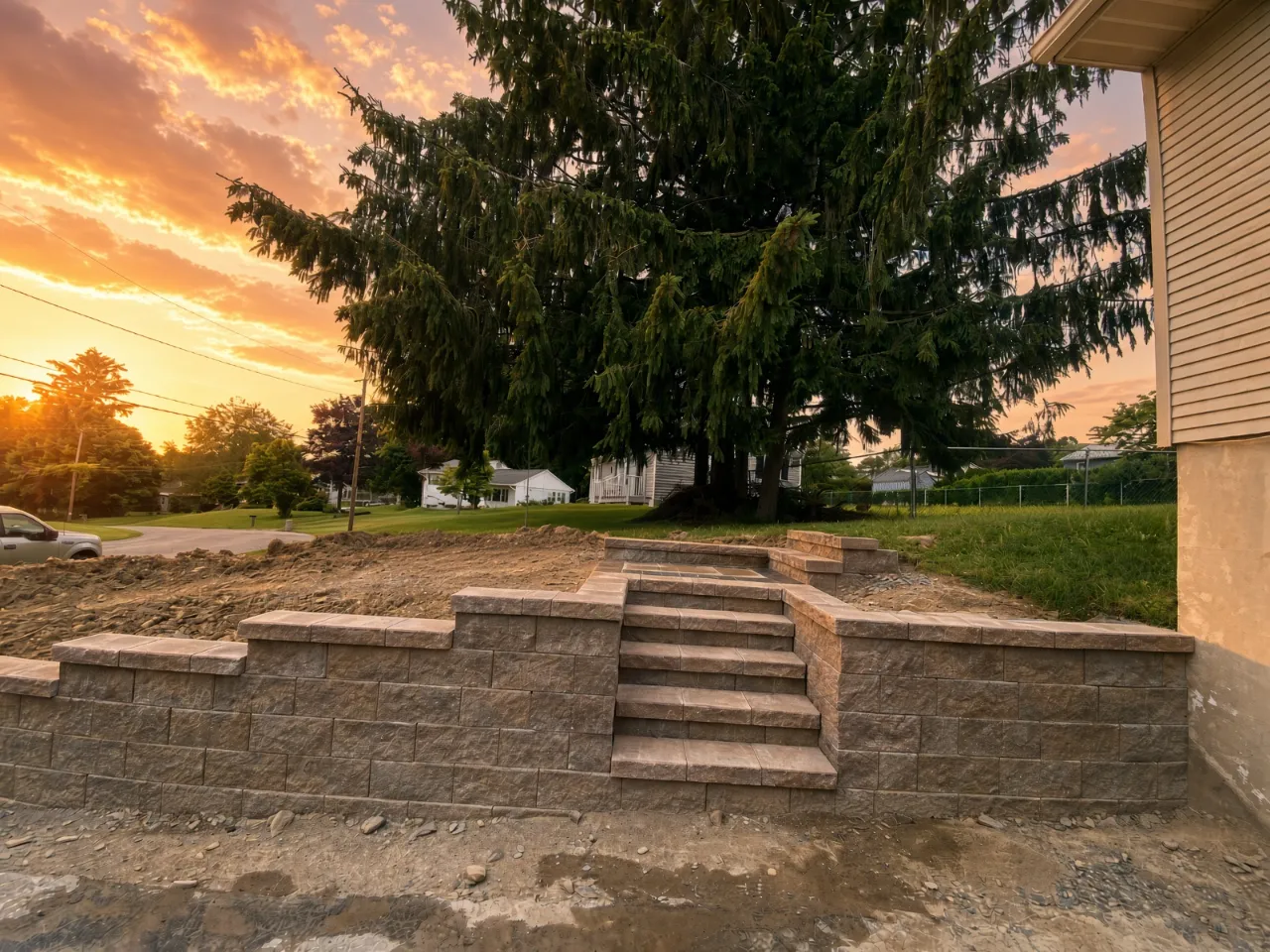
Landscaping at a home in Blooming Grove, NY

Both Extremes Covered

A rain garden floods briefly and then dries right out again. The plant list stays with species that tolerate the whole swing.

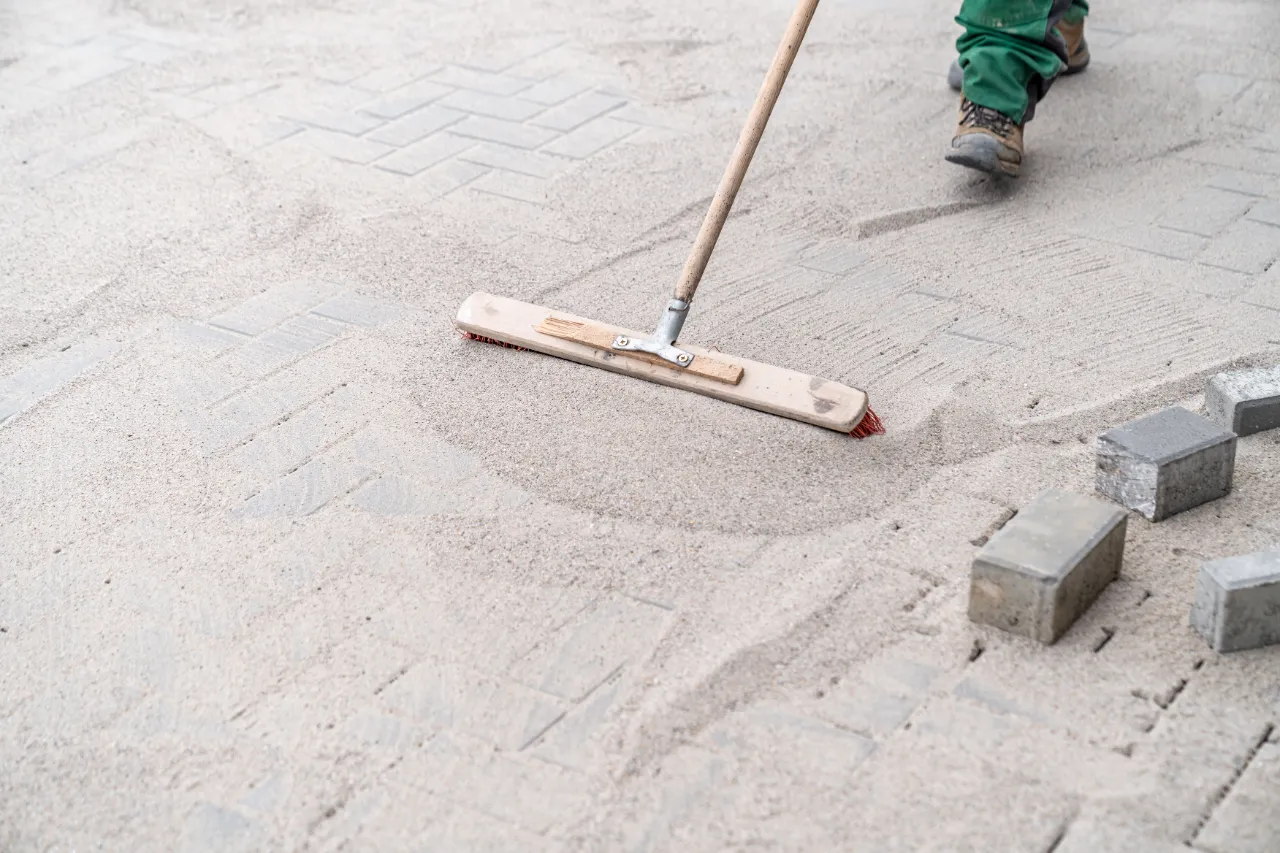
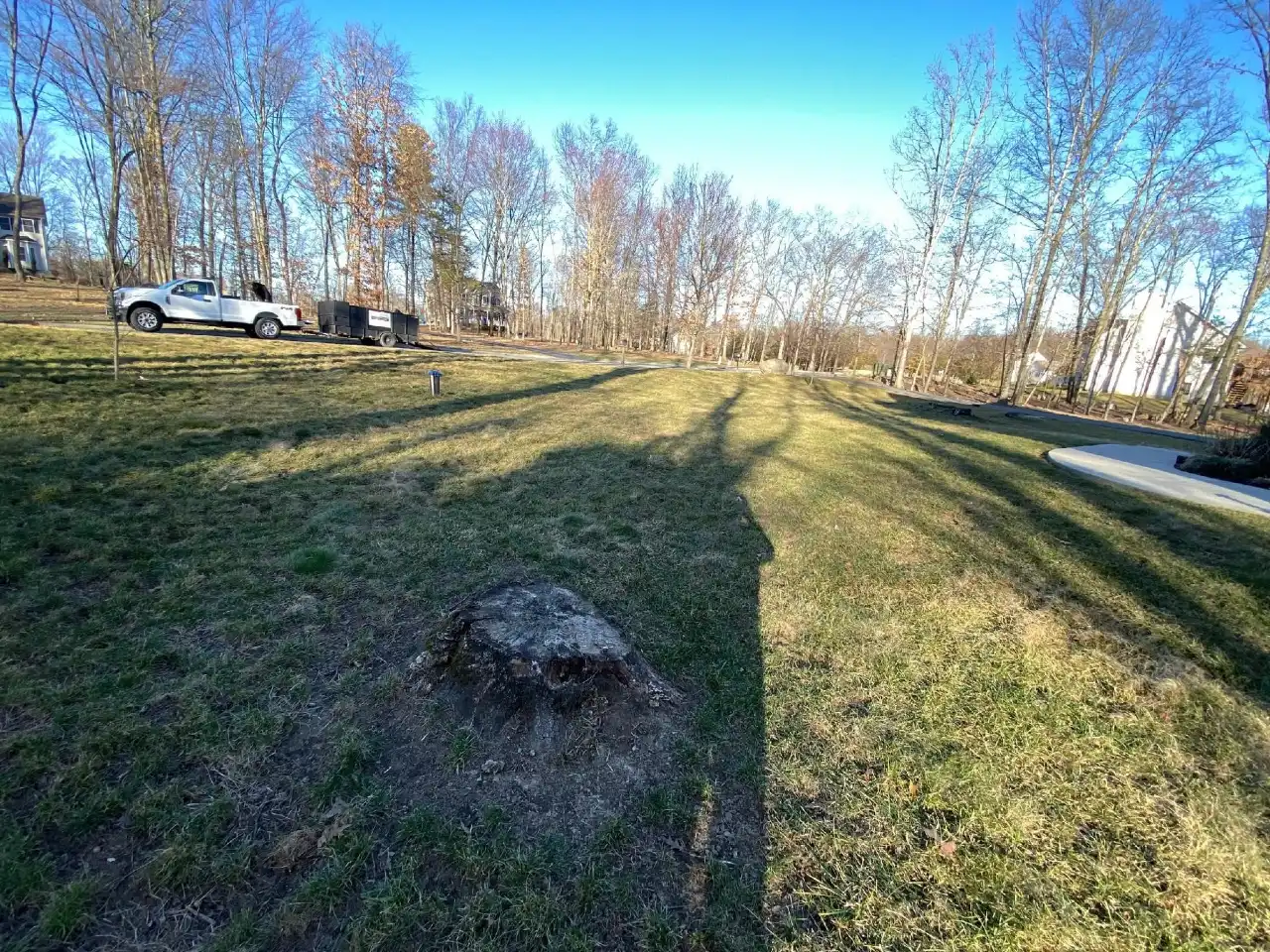
Landscaping at a home in Blooming Grove, NY

Phase a Large Lot

An owner designing two acres at once gets a thin result. We finish one zone properly and then work outward from it.

What the Watershed Changes

The Cromline starts in this town and becomes the Moodna downstream. Here is what designing at the top of that changes.

  • Runoff gets held on the property instead of piped away
  • Rain garden basins get sized to the roof area draining in
  • Blooming Grove plantings in a basin tolerate flood and drought both
  • Basin depth follows how fast your soil actually takes water
  • A large lot gets phased so one zone finishes properly
  • The hamlet you are in shapes the plant list and the timing
  • You see both basin numbers written on the drawing

Landscaping FAQs in Blooming Grove, NY

A shallow planted basin that catches roof and drive runoff. Water soaks in within a day or two. The rest of the time the Blooming Grove landscape reads as an ordinary bed.

Not if it is drawn properly. The Blooming Grove landscape around it reads as a planted bed, and the basin shape disappears into the landscape design.

Ones that take flood and drought both. Switchgrass, blue flag iris and joe pye weed handle the swing, and red twig dogwood holds the edges.

From the roof area draining into it, and from how fast your soil takes water. Both numbers go on the Blooming Grove landscape drawing rather than getting guessed.

Basin size, excavation, soil amendment and the Blooming Grove plantings themselves. Your Blooming Grove landscaping figure arrives written, in one piece.

Layout, excavation and soil work. Then the Blooming Grove planting beds, mulch and a check after the first storm.

Catch the Water on Your Own Lot

Send the address and we will measure the roof area and test the soil. Then the plan and its number go out together.