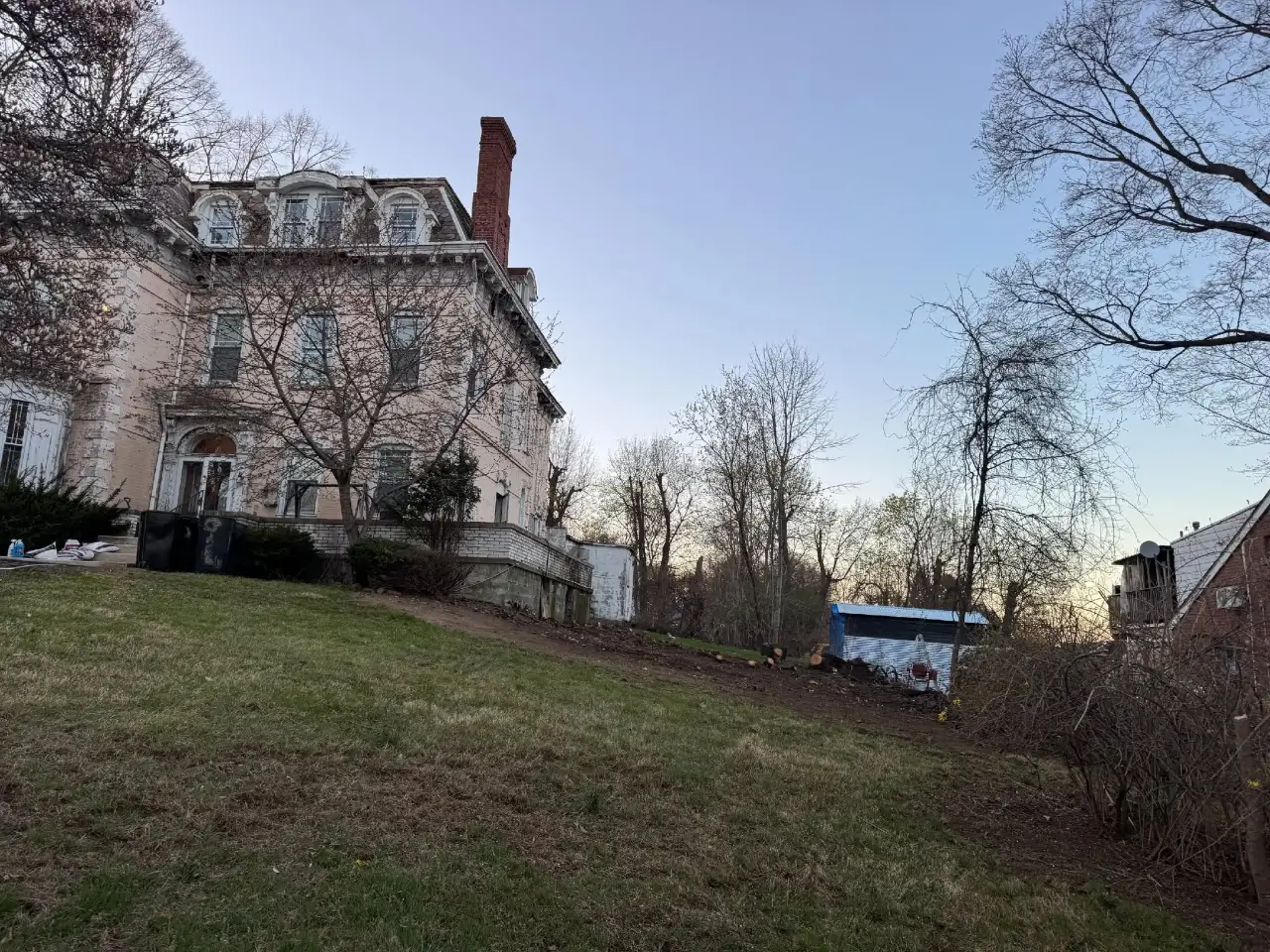
Landscaping in Campbell Hall, NY by Super Landscaping Inc

Landscaping in Campbell Hall, NY

Super Landscaping Inc plants the creek side of these rural parcels. The Otter Kill turns east near this hamlet and runs parallel to Route two oh seven. Plenty of parcels here touch it. Landscaping in Campbell Hall, NY often starts at the bank.

The Creek Runs With the Road

Landscaping in Campbell Hall, NY frequently involves a streambank. Campbell Hall landscaping covers streambank planting, beds, borders and field edges. The Otter Kill turns east close to the hamlet itself. From there it runs parallel to Route two oh seven. Further on it bends south alongside Route two oh eight. Campbell Hall landscape design reads that corridor before anything else.

Planting a Bank That Moves

A creek bank is not a static piece of ground. The Otter Kill turns east near the hamlet and runs with the road. Water in a bend scours the outside and deposits inside. So one bank erodes while the other builds up slowly. Planting the same way on both sides makes no sense. The outside of a bend needs deep rooted holding stock. The inside can carry ordinary border planting safely. Campbell Hall landscaping reads the bend before choosing anything.

Deep rooted means specific species, not just big plants. Willow, dogwood and native grasses hold a bank properly. Their roots knit into a mat that resists moving water. Ornamental shrubs with shallow roots wash out in one event. We plant the holding species closest to the water. Decorative material goes further back where it survives. Landscaping in Campbell Hall, NY splits that zone deliberately. A pretty bank that fails in a storm is not a design.
Low Density, Long Views

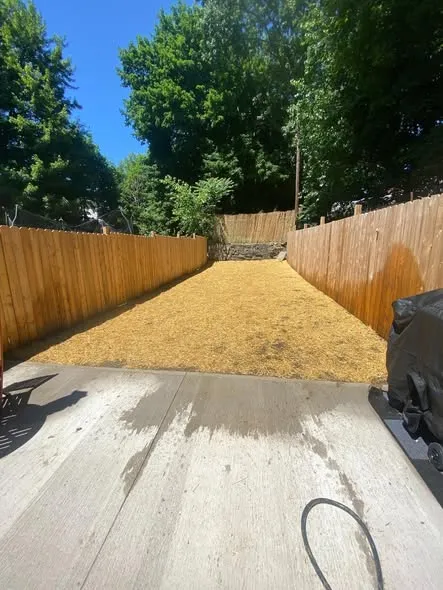
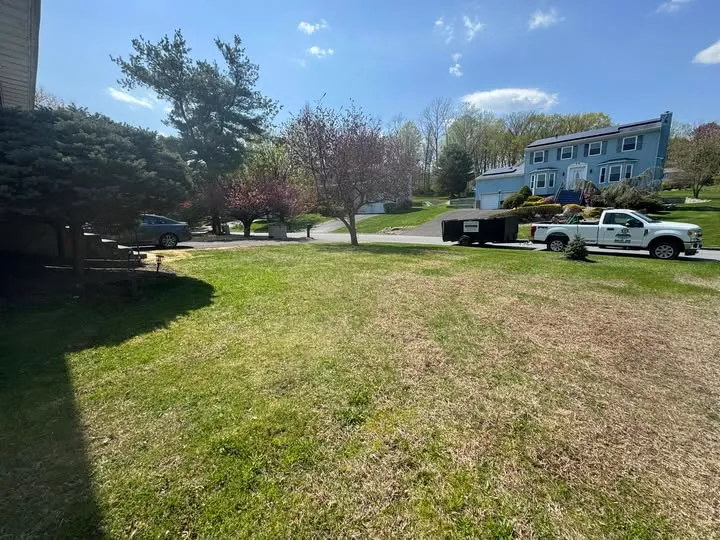
This hamlet sits in the Town of Hamptonburgh. One thousand five hundred thirty two housing units sit in the town. That puts roughly fifty seven people in a square mile. That is the lowest figure among the places we serve. Parcels run large and sight lines run long. A design here gets seen from two hundred feet away. So detail that works up close disappears entirely at that distance. Campbell Hall landscape design works at the scale of the view.

Working at that scale means mass and repetition. A single plant of each variety reads as nothing from the road. Groups of five or seven read as intention. Colour runs in blocks rather than as individual accents. That approach also costs less per square foot than a collection. We draw the masses first and detail the near zone second. Each Campbell Hall landscaping plan has both scales in it. The close detail belongs by the door, not in the field.

Stone Walls Already in the Ground

History shows up physically on these parcels. An early settler named William Bull worked as a stone mason. He built the Bull Stone House, which his family still owns. Old field stone walls run through plenty of these properties. Those walls are a design asset rather than an obstacle. A bed that follows an old wall looks like it belongs. Campbell Hall landscaping uses them as the structure of a plan.

The practical side is about roots and digging. An old dry laid wall has no footing underneath it. Digging hard against it can drop a section. So planting near a wall stays a respectful distance back. Shallow rooted material goes closest and trees stay well off. We mark those setbacks on the drawing. The Campbell Hall landscape then keeps the wall intact. Rebuilding a dropped section costs more than planning around it.

What the Creek and the Scale Change

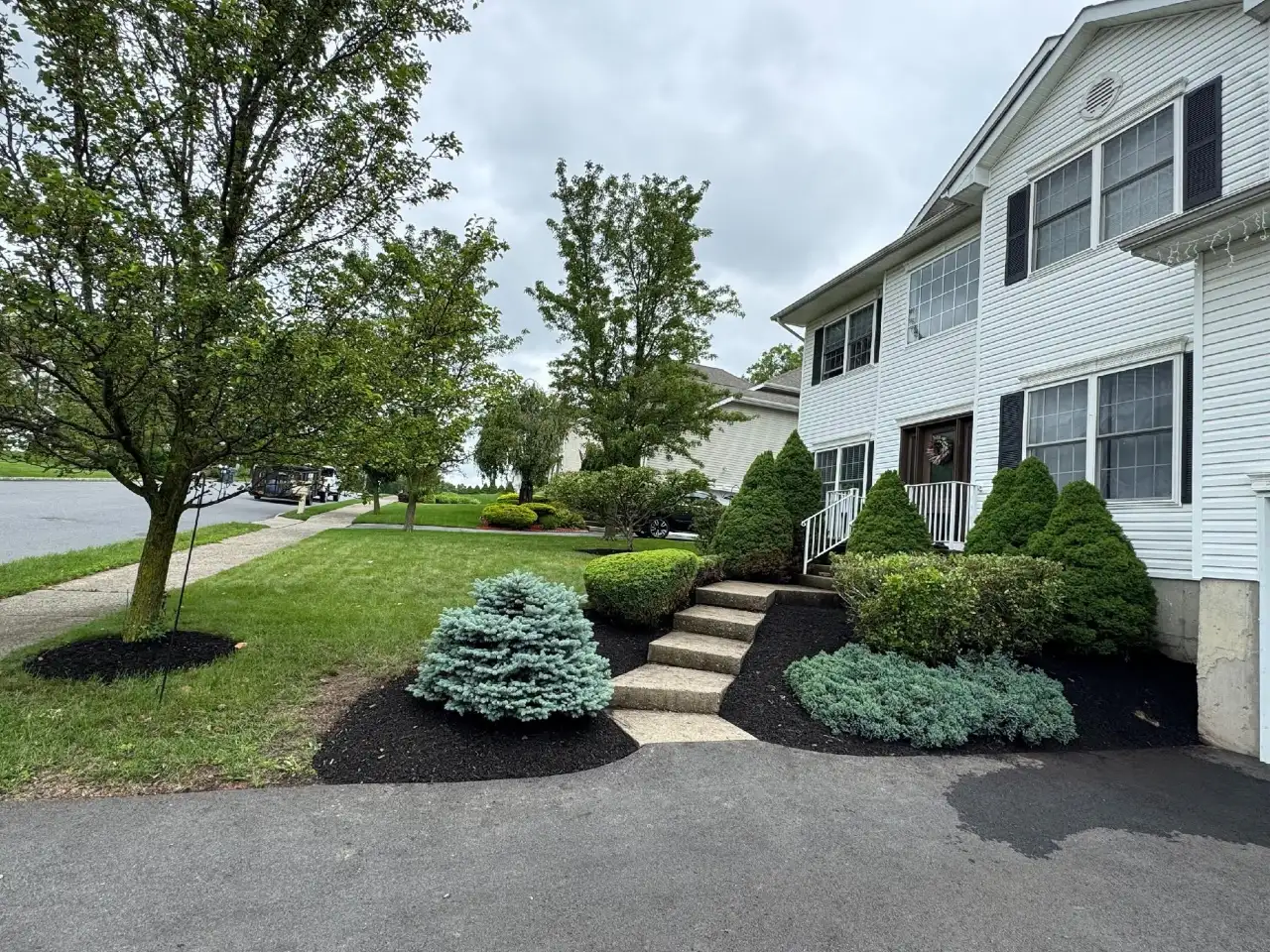
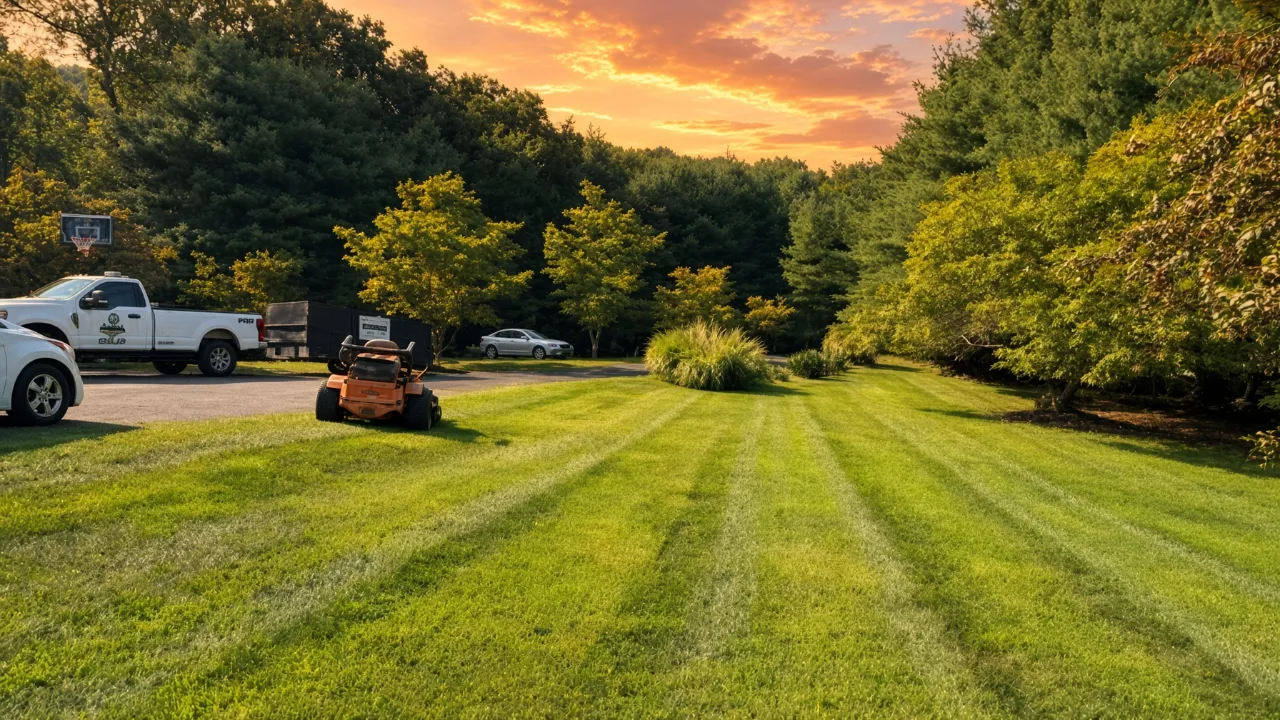
Landscaping at a home in Campbell Hall, NY

Read the Bend First

Water in a bend scours the outside and builds up the inside bank. The planting plan treats those two banks completely differently.

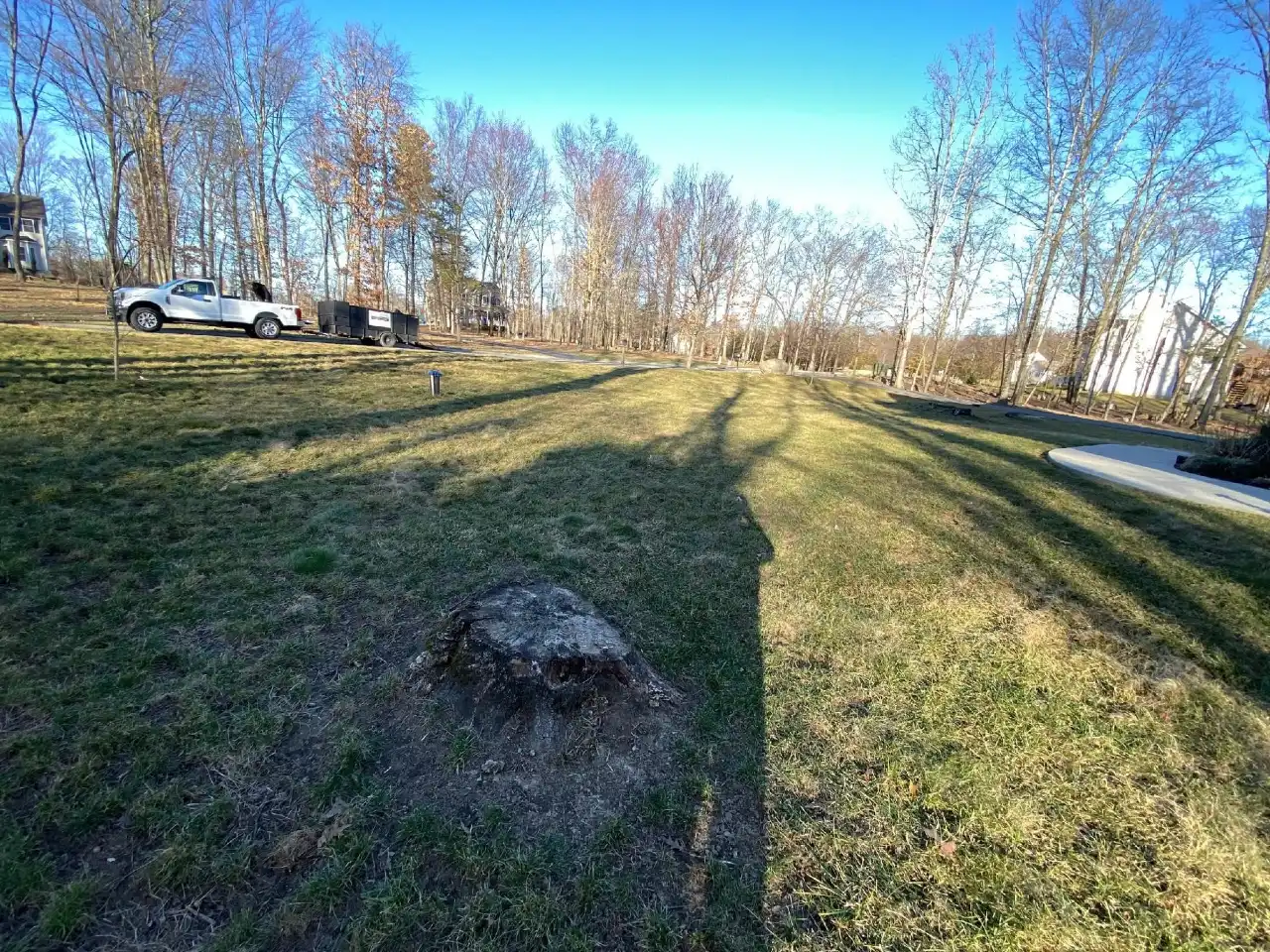
Landscaping at a home in Campbell Hall, NY

Deep Roots Nearest Water

Willow, dogwood and native grasses knit a root mat that really holds. Shallow rooted ornamentals wash out in a single storm event.

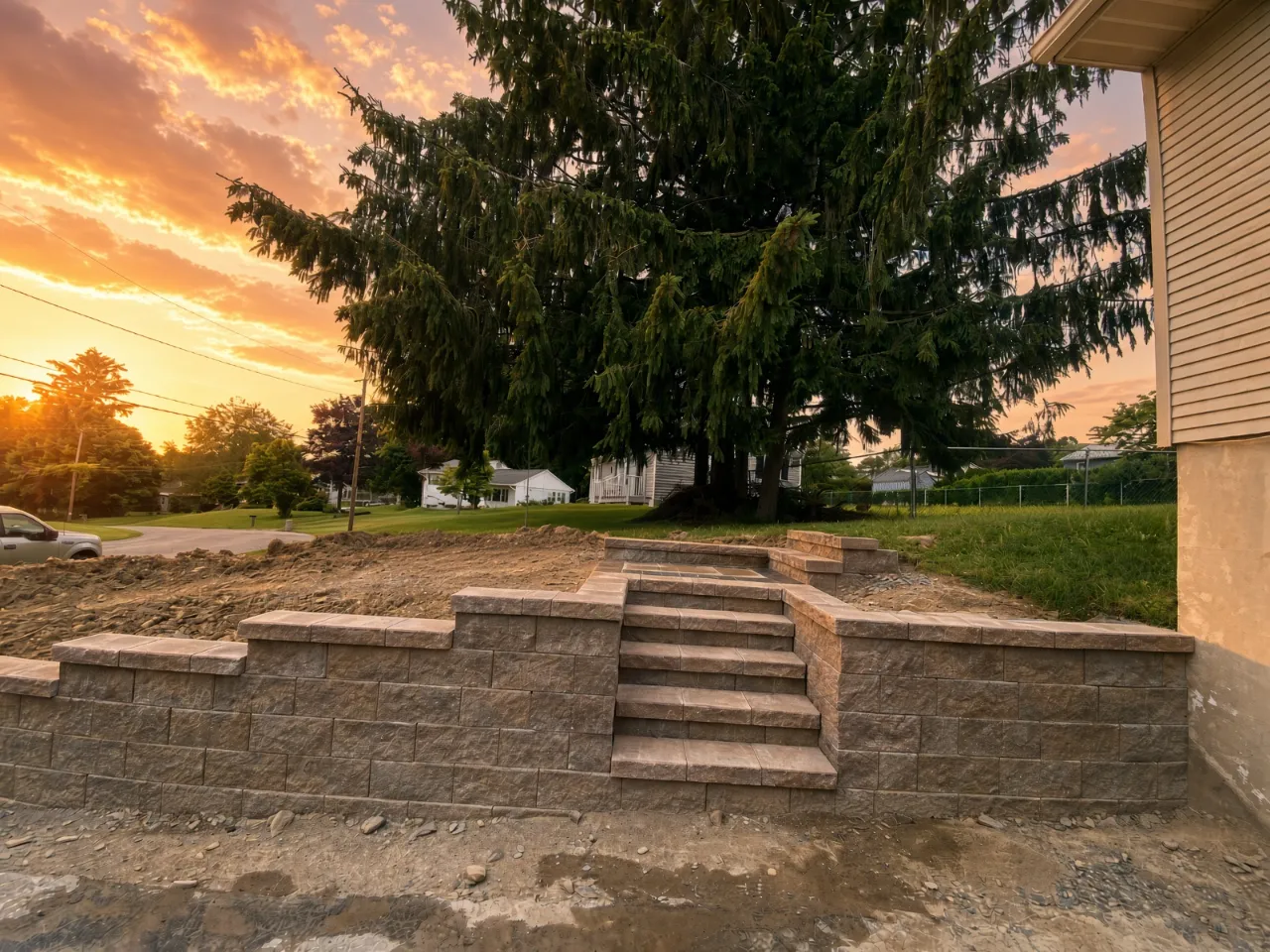
Landscaping at a home in Campbell Hall, NY

Mass Reads at Distance

A design here gets seen from two hundred feet down the road. Groups of five or seven read, while single plants vanish.

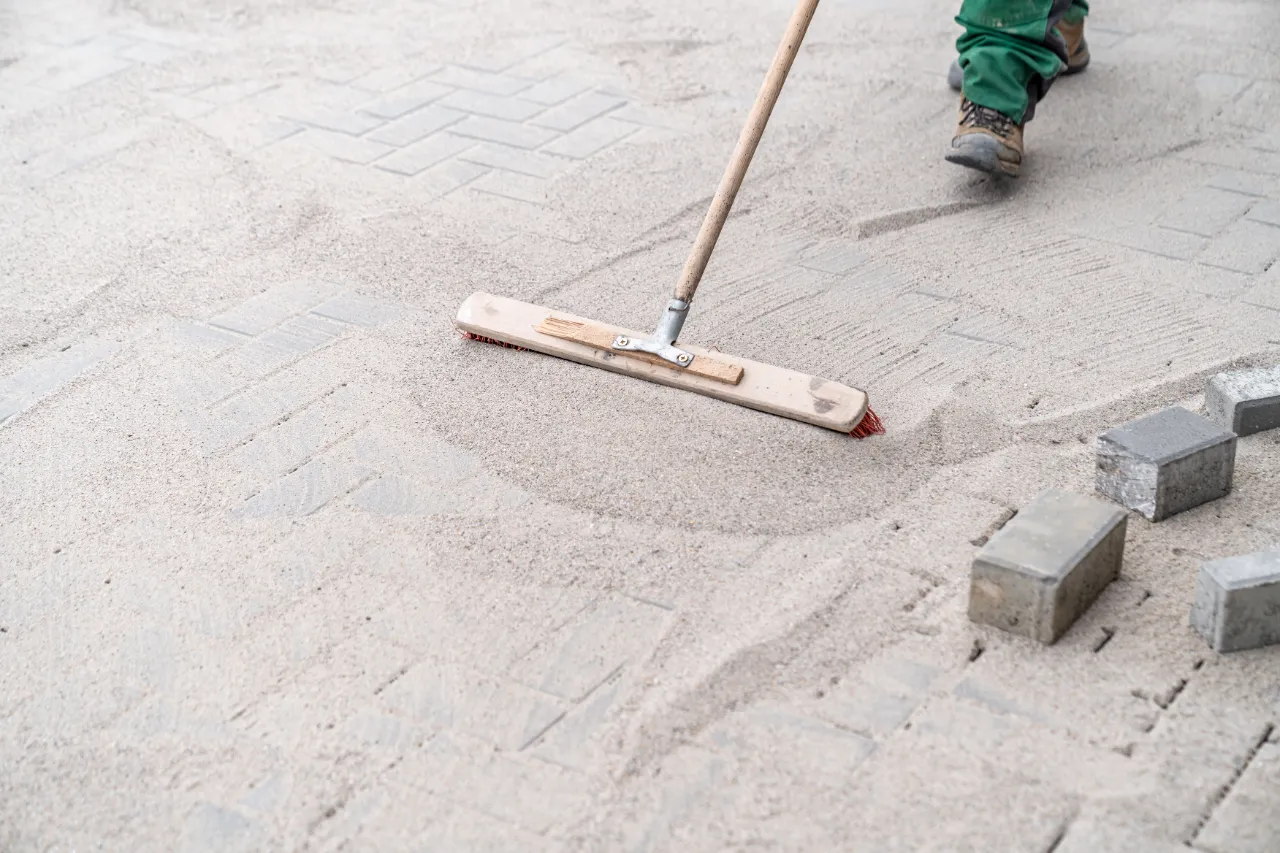
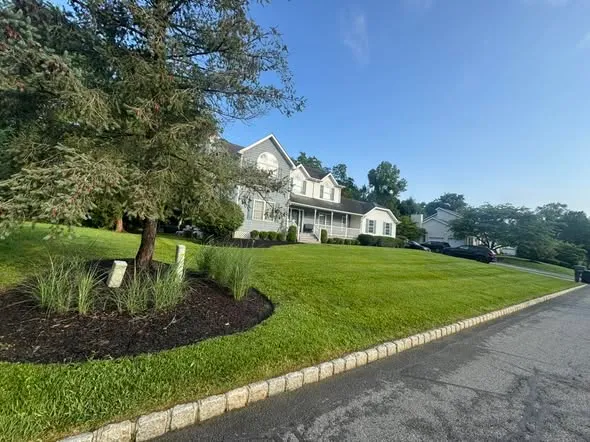
Landscaping at a home in Campbell Hall, NY

Keep Off Old Walls

A dry laid field stone wall has no footing at all underneath. Planting keeps a respectful distance and trees stay well off.

What the Rail Line Changes

A creek that runs with the road and parcels you see from far off. Here is what reading both of those changes.

  • The outside and inside of a bend get different plant lists
  • Deep rooted holding stock goes closest to the moving water
  • Decorative Campbell Hall plantings sit further back where they survive
  • Masses get drawn for the long view and detail for the door
  • Groups of five or seven replace single specimen plants
  • Old field stone walls get used as structure, not removed
  • Planting setbacks from dry laid walls go on the drawing

Landscaping FAQs in Campbell Hall, NY

At the bank. The creek turns east near the hamlet and runs with Route two oh seven. We read the bend first, because the outside scours and the inside builds.

Deep rooted ones. Willow, dogwood and native grasses knit a root mat that resists moving water. Shallow rooted ornamentals wash out in one event.

Scale. Density here runs near fifty seven units per square mile, so a design gets seen from two hundred feet. Single Campbell Hall plantings vanish and groups read instead.

Yes, at a distance. A dry laid wall has no footing, so digging hard against it can drop a section. The Campbell Hall landscape works around it.

Bank length, holding stock, bed area and the sizes of the Campbell Hall plantings. The Campbell Hall landscaping number comes to you whole, in writing.

Bank assessment, soil prep, the holding planting, mulch and matting. Then a check on the Campbell Hall plantings after the first high water.

Start at the Bank on Your Parcel

Send the address and we will walk the bank and read the long view. Then one number covers the design and the stock.