Polymeric sand installation and re-sanding in Hopewell Junction, NY by Super Landscaping Inc

Polymeric Sand in Hopewell Junction, NY

Super Landscaping Inc fills paver joints at homes and shops in this hamlet. Two different soils sit under this hamlet, and they behave nothing alike. One drains fast, the other holds water. Polymeric sand in Hopewell Junction, NY starts with knowing which one you have.

Two Soils Under One Hamlet

Polymeric sand in Hopewell Junction, NY has to answer the soil first. Hopewell Junction polymeric sand services cover patios, walks, pool decks and drives. Soil maps split this hamlet into two different areas. Venango and Cambridge gravelly silt loams carry slow permeability. Hoosic gravelly loam, a short distance away, drains quickly. Two Hopewell Junction joints a block apart can need different work.

Why Two Nearby Patios Drain Differently

The soil map here is not one color. One mapped area carries Venango and Cambridge gravelly silt loams. Both have slow permeability, so water sits in the base longer. The other carries Hoosic gravelly loam, which drains quickly. A patio on the first needs more fall and a cleaner base. A patio on the second can hold full joints with less work. We look up your parcel before quoting the Hopewell Junction joints.

This explains a complaint we hear a lot here. Two neighbors install the same pavers in the same month. One patio stays tight and the other loses sand every spring. The installer was often the same, and so was the material. What differed was the ground under it the whole time. Polymeric sand in Hopewell Junction, NY works when the base cooperates. We say plainly when yours does not cooperate.
Shallow Rock in the Southern Third

The southern third of this hamlet has rock close to the surface. That matters more for new work than for re-sanding. Digging a base there is slower and harder on equipment. Hand tools come out where a machine cannot reach rock. Re-sanding an existing surface never touches that rock at all. So the two jobs are not comparable in time. We scope which one you need before quoting the Hopewell Junction paver joints.

Shallow rock also changes where water goes. Rain that cannot sink into the ground pushes sideways along the rock shelf. That flow finds the joint line of a patio sitting downhill. We look for that pattern during the estimate walk. Sometimes the fix is a swale rather than more sand. We will tell you when sand is not the answer. Selling you material that will wash out helps nobody here.

Walls and Grading Go Through Engineering

Here the permit does not always come from the Building Department. Retaining walls and site grading route through the Engineering office. That is a different desk, a different form and a different queue. A simple patio and a retaining wall are not the same filing. We tell you which desk your project goes to. Hopewell Junction joint work on an existing surface files nothing. Re-sanding is maintenance and triggers no review at all.

Knowing the right office saves weeks, not days. A form sent to the wrong desk comes back, eventually. We prepare the paperwork and send it where it belongs. Then we book the work around the review, not before it. Hopewell Junction polymeric sand work runs from late spring to early fall. We read the ten day forecast before every start date. Fresh joints and a rain event do not mix, ever.

What the Ground Decides Here

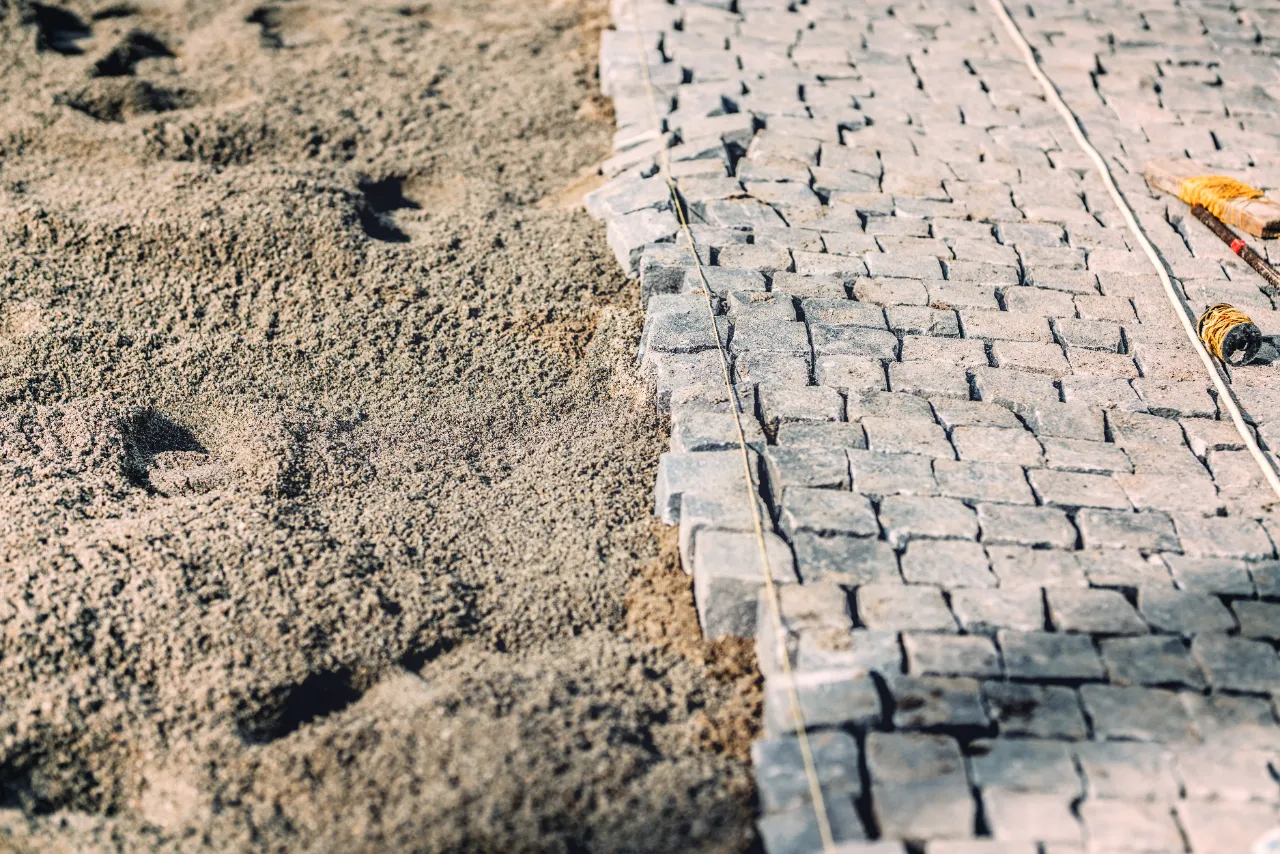
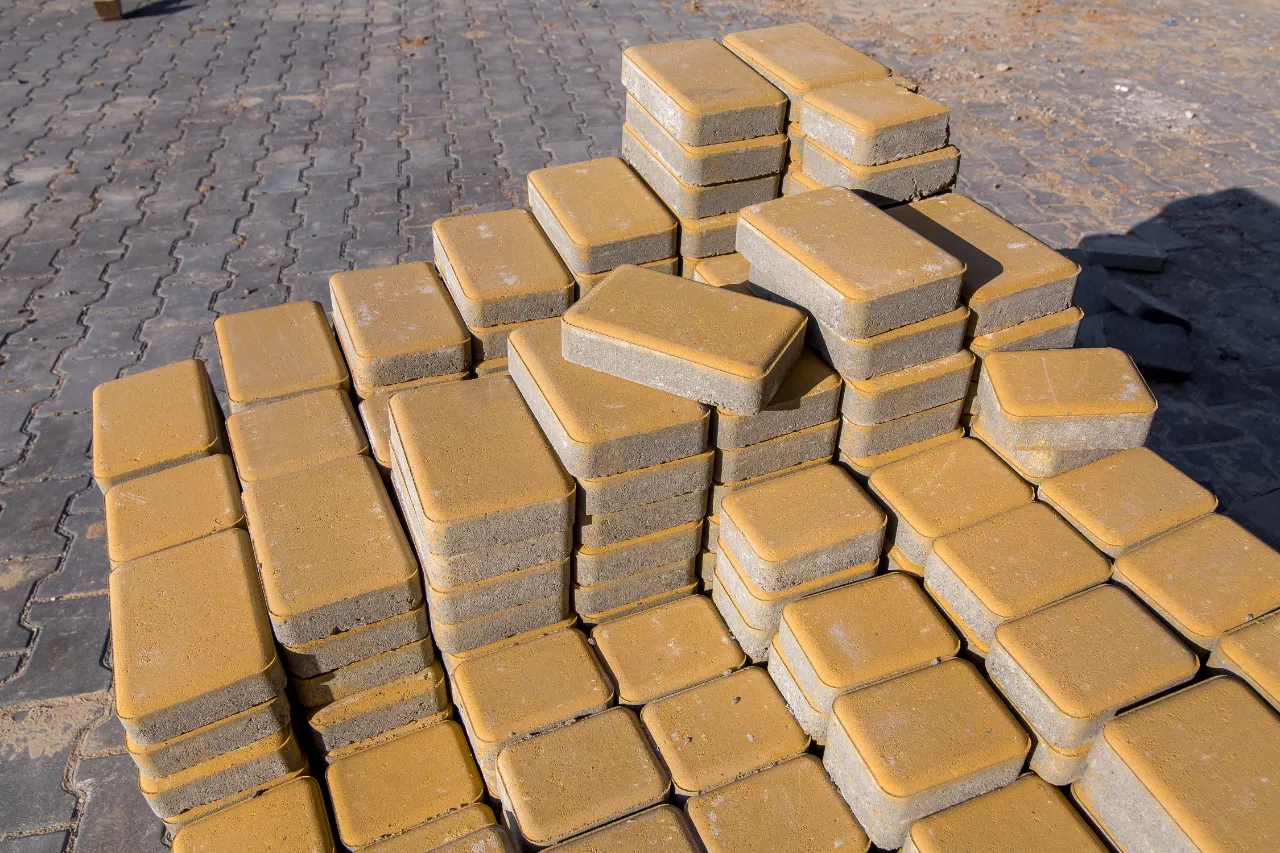
Pavers staged for a joint sand project in Hopewell Junction, NY

Soil Checked First

Two mapped soils sit under this hamlet and behave nothing alike. We look up your parcel before quoting the Hopewell Junction joints.

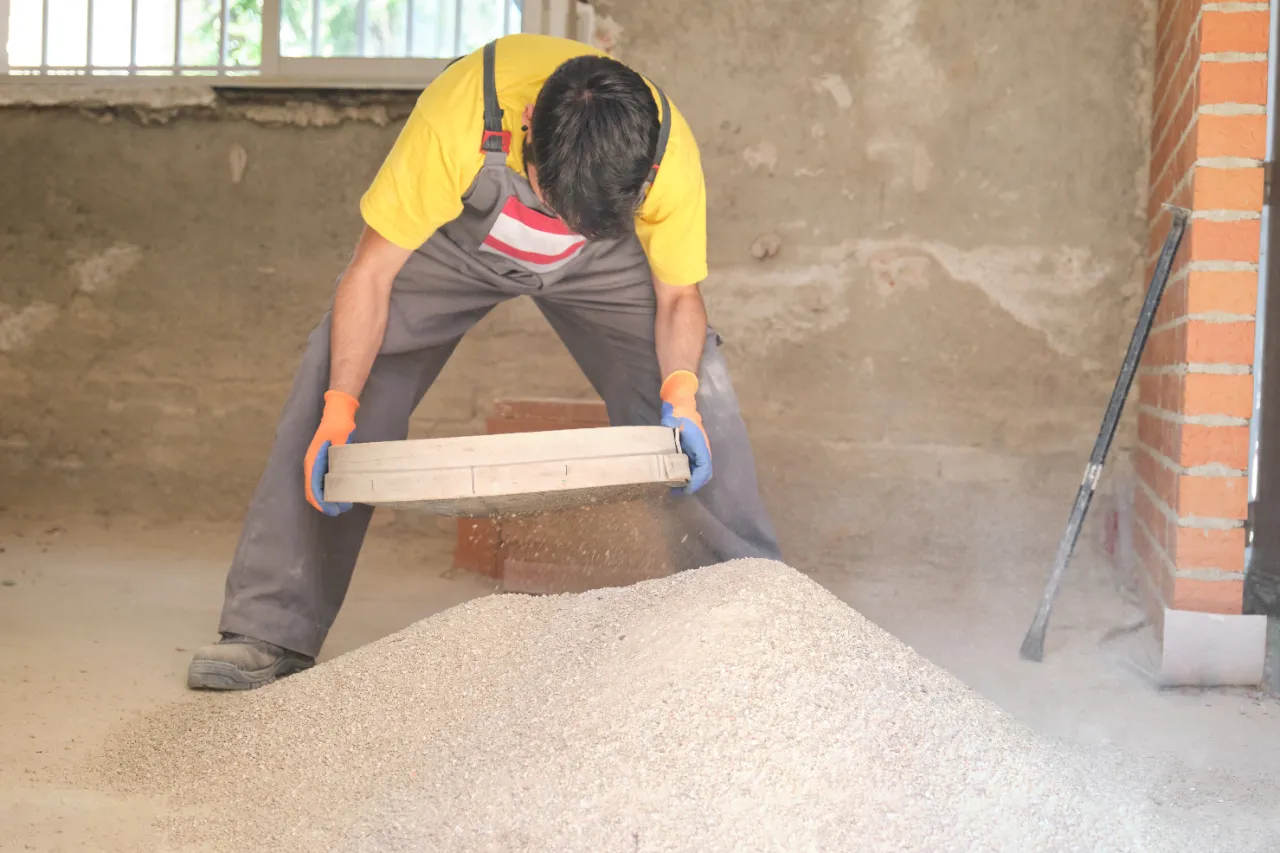
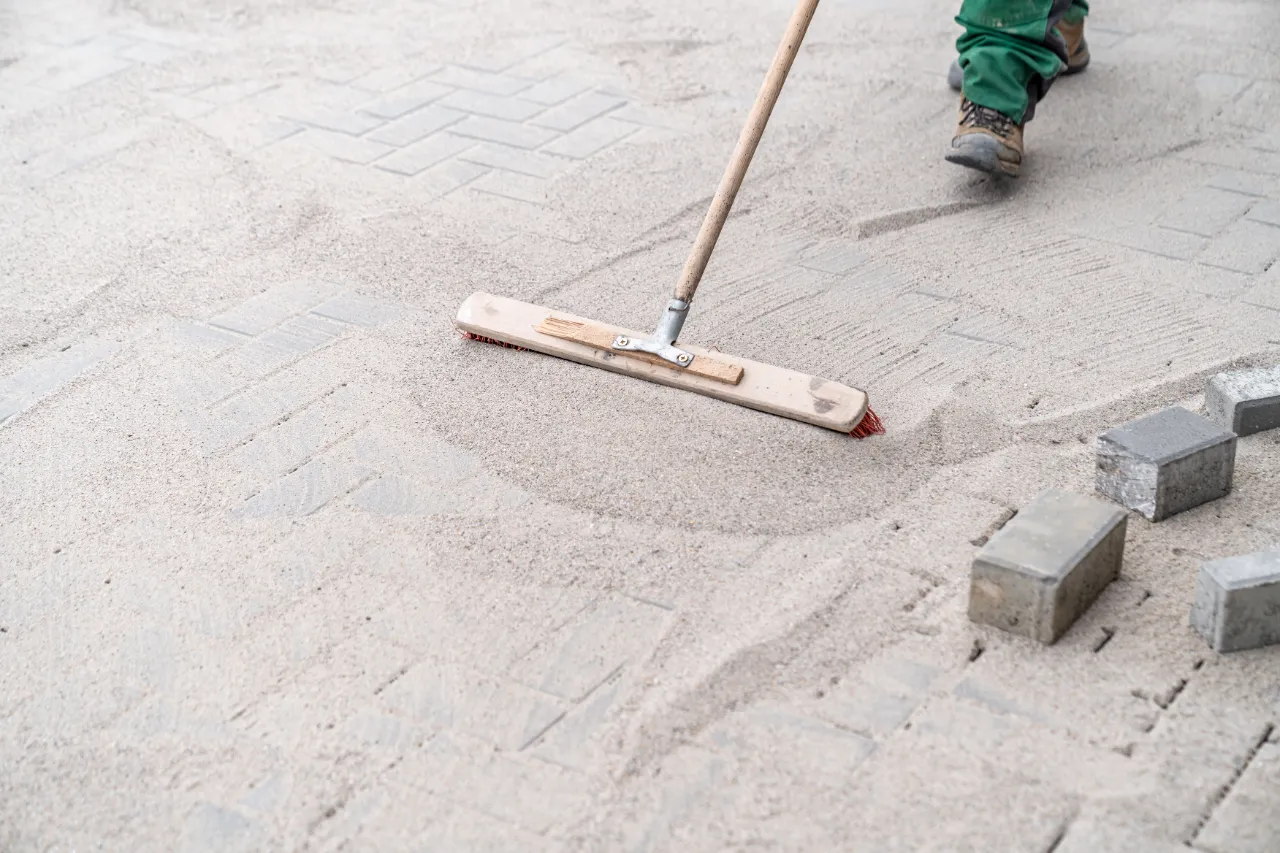
Sweeping polymeric sand into paver joints in Hopewell Junction, NY

Slow Soil, More Fall

Venango and Cambridge silt loams hold water in the base longer. A patio there needs more fall and a cleaner stone base.

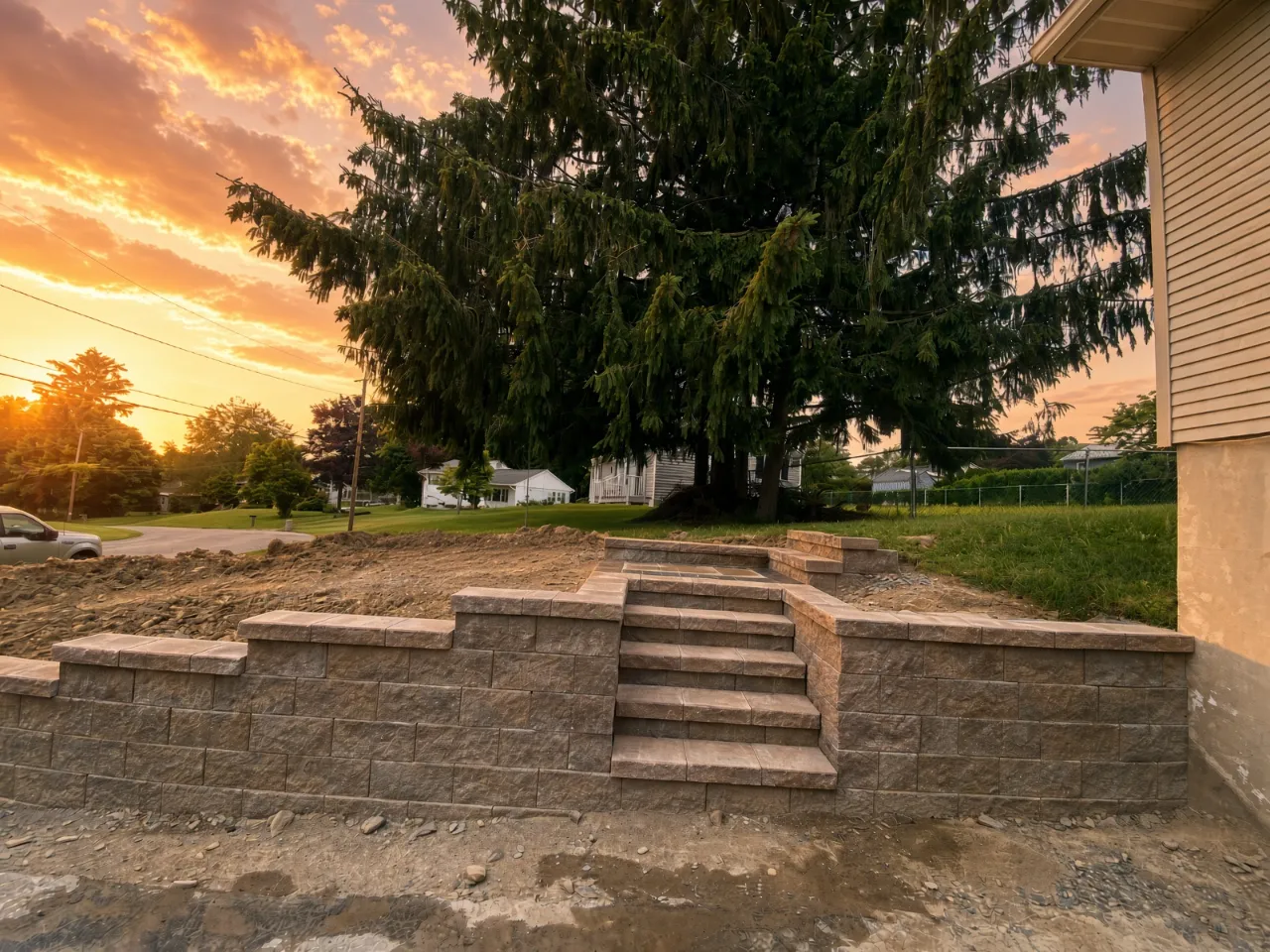
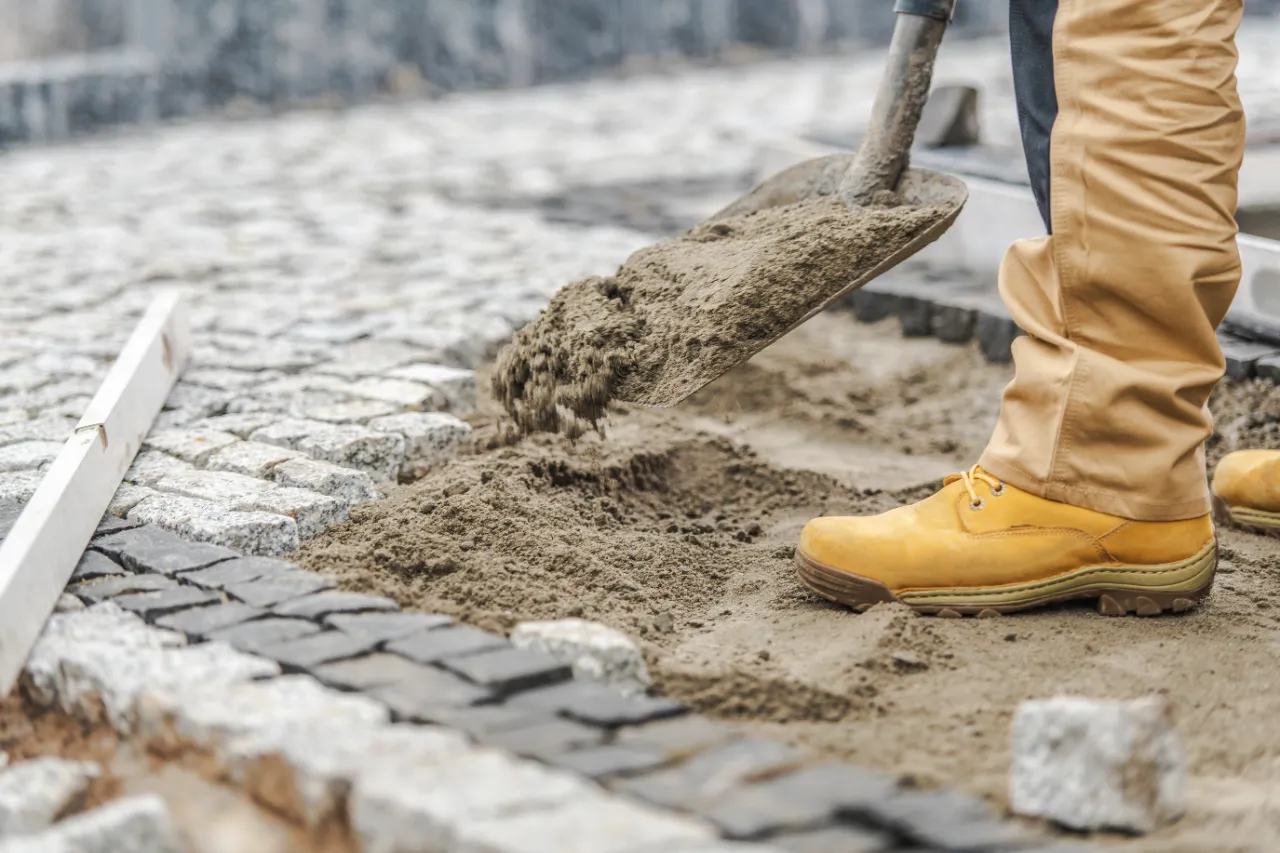
New paver joints ready for polymeric sand in Hopewell Junction, NY

Rock Near the Surface

The southern third has rock close to the surface here. New digging runs slower, while re-sanding never touches that rock at all.

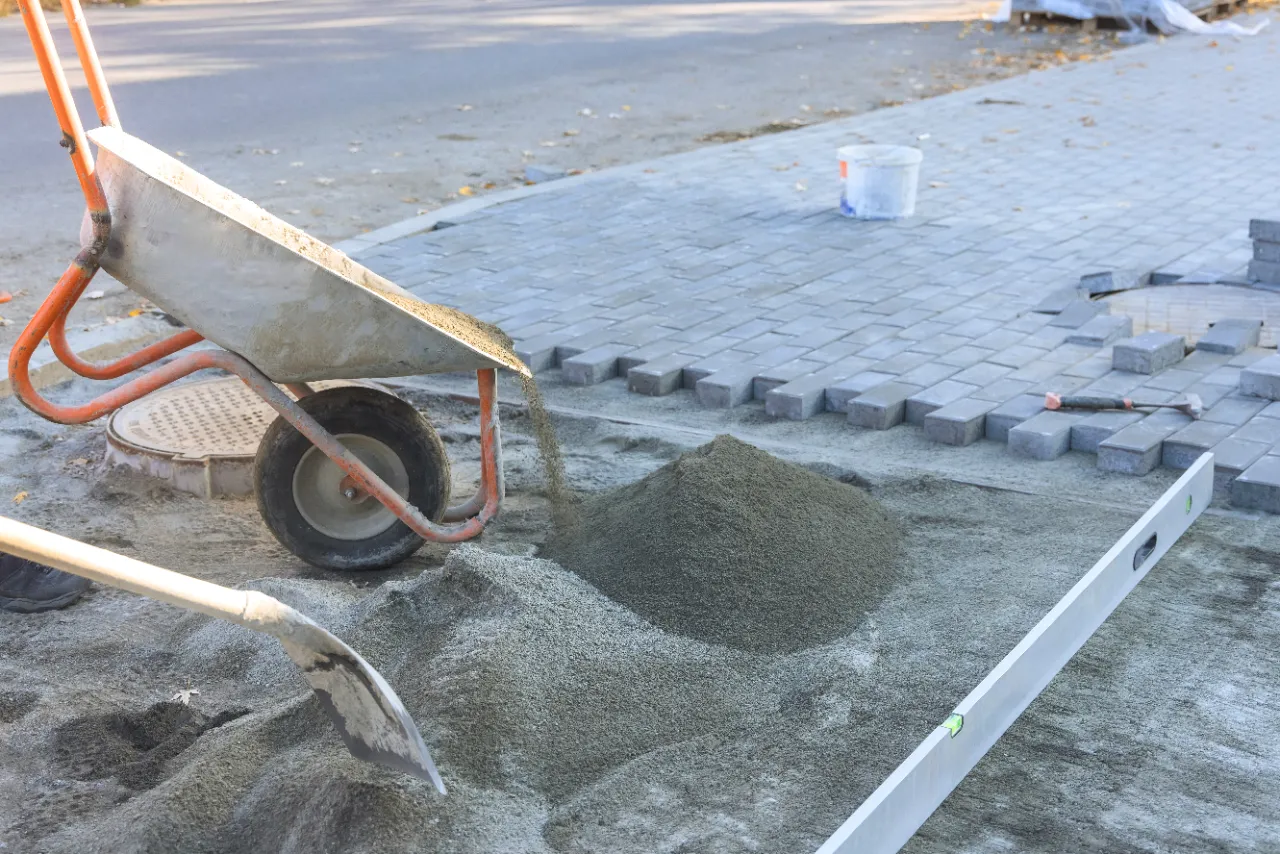
Joint sand delivered for a paver project in Hopewell Junction, NY

Right Desk, Right Form

Walls and site grading route through the Engineering office here, not Building. We send your Hopewell Junction paperwork where it truly belongs.

What a Soil Check Changes Here

The ground decides more than the material does in this hamlet. Here is what checking the Hopewell Junction soil first changes.

  • Your parcel gets looked up on the soil map before quoting
  • Slow silt loam areas get more fall and a cleaner base
  • Fast draining Hoosic loam areas get full joints with less work
  • Shallow rock in the southern third gets priced as hand digging
  • Walls and grading go to Engineering instead of the Building desk
  • You hear when a swale beats more sand in the joints
  • Ants and weeds lose the open seam along every paver joint in Hopewell Junction

Polymeric Sand FAQs in Hopewell Junction, NY

Usually the ground, not the installer. Soil maps split this hamlet in two. One area carries slow silt loams, the other drains fast. We look up both parcels before touching the Hopewell Junction joints.

Likely yes, and it goes to Engineering rather than the Building desk. Walls and site grading route through that office. We prepare the filing and send it to the right desk.

No. Re-sanding in Hopewell Junction is maintenance and triggers no review. No excavation and no new structure. We put the scope in writing so it stays clear.

Mostly new work. Digging a base in the southern third runs slower and harder. Re-sanding never reaches that rock. We scope the job before quoting the Hopewell Junction paver joints.

Sometimes, and sometimes not. If water moves under the pavers, full joints will not hold for long. We say so plainly instead of selling material that washes out.

The measured seam, the width and depth of the joints, and the old material we remove. Access and slope matter too. One figure covers the Hopewell Junction joints from start to finish. The estimate is free.

Check the Soil, Then Fill the Joints

Send the address and we will pull the soil map and measure the Hopewell Junction joints. Which soil you have changes everything.