Polymeric sand installation and re-sanding in Glenham, NY by Super Landscaping Inc

Polymeric Sand in Glenham, NY

Super Landscaping Inc fills paver joints at properties in this hamlet. Chapter one twenty eight of the town code asks for a topsoil permit before some digging. Creek lots add a second question. Polymeric sand in Glenham, NY begins with which rule applies.

Joint Work Under the Town Code

Polymeric sand in Glenham, NY sits under the Town of Fishkill code. Glenham polymeric sand services reach steps, walks, patios and the short drives. The hamlet has no board of its own, so the town reviews work. Chapter one twenty eight governs topsoil removal and excavation here. Lots along the Fishkill Creek carry wetland questions too. Most Glenham joints need neither, and we explain why in writing.

When Chapter One Twenty Eight Applies

This is the local rule most people have never read. Chapter one twenty eight requires a permit to grade or excavate topsoil. It also covers cutting live trees three inches in diameter or more. That measurement is taken at breast height, not at the ground. The permit applies when the work is not tied to a building permit. So a stand alone grading job can need its own filing. We check that before quoting any Glenham joint work.

Re-sanding is on the clear side of that rule. Refilling a joint moves no topsoil and cuts no tree. Nothing gets excavated and nothing gets graded in the process. So polymeric sand in Glenham, NY on an existing surface files nothing. A new patio with a dug base is a different matter. We scope your project against the code wording at the estimate. You get that answer in writing before anyone starts.
Lots Along the Fishkill Creek

Water changes the job on this side of the hamlet. The Fishkill Creek runs through here on its way to the Hudson. Lots near it hold moisture in the base longer than others. Wet ground under a paver pushes sand up and out. We check the drainage pattern during the estimate walk. Full Glenham joints hold only when the base stays dry. We say so plainly when the base is the real problem.

Creek lots can also raise a wetland question of their own. Work close to a regulated wetland area is reviewed separately. We raise that with the town before you sign anything. Re-sanding an existing patio is not the trigger there either. New construction near the water is where it matters most. We tell you which category your Glenham paver joints fall in. Finding out afterward is the expensive way to learn it.

The Three Inch Tree Rule

This rule surprises people planning a patio. Chapter one twenty eight covers live trees three inches in diameter. Anything that size or larger needs a permit to remove. Patio projects sometimes mean clearing a small tree or two. That clearing is the part that triggers the filing, not the pavers. We flag it at the estimate rather than mid job. Nobody enjoys a stop work order on a Saturday morning.

The rule has a practical side for Glenham joint work. Trees near a patio push roots under the pavers. Those roots lift the surface and open the seam lines. Sand alone will not hold a joint that keeps moving. We look at the trees before we quote the joints in Glenham. Sometimes the honest answer is to fix the root problem first. We would rather say that than come back twice.

How the Code Shapes a Quote

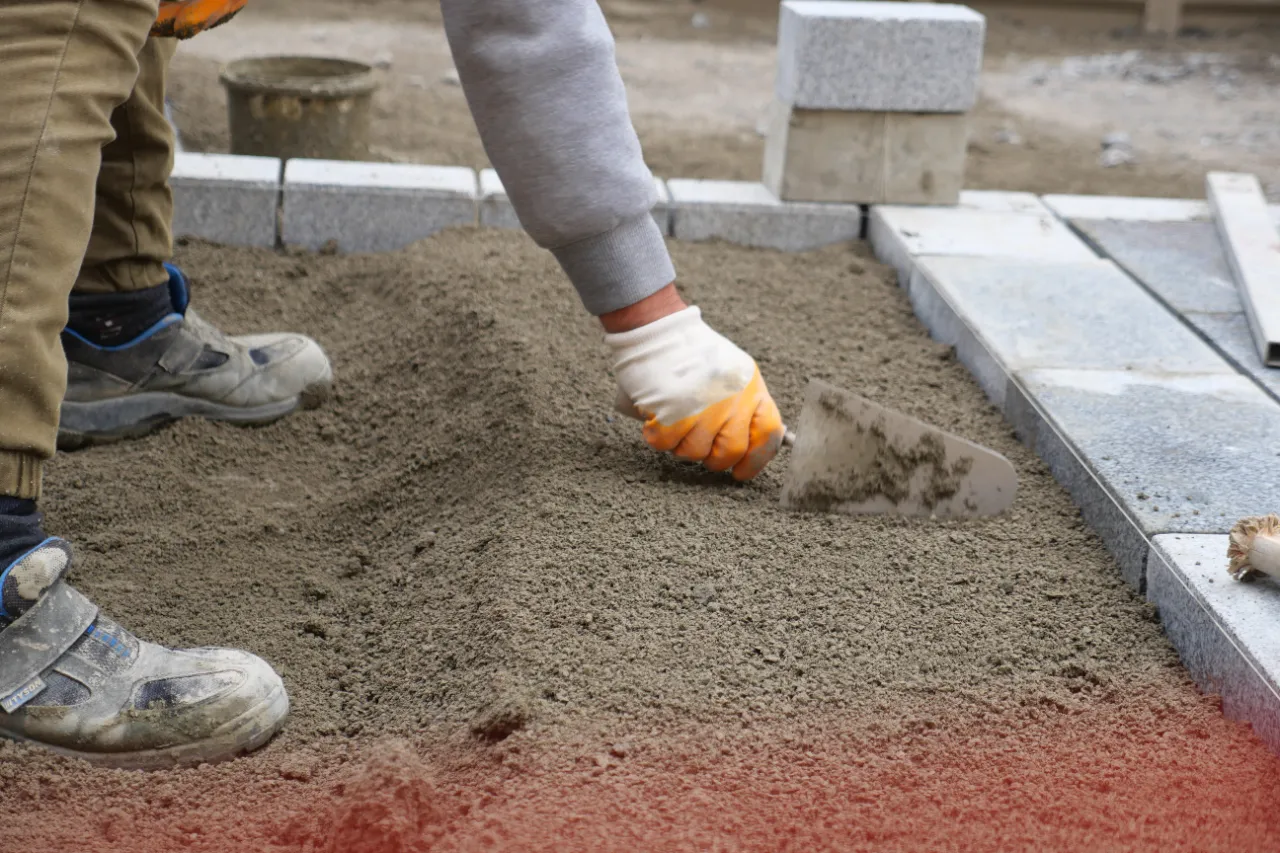
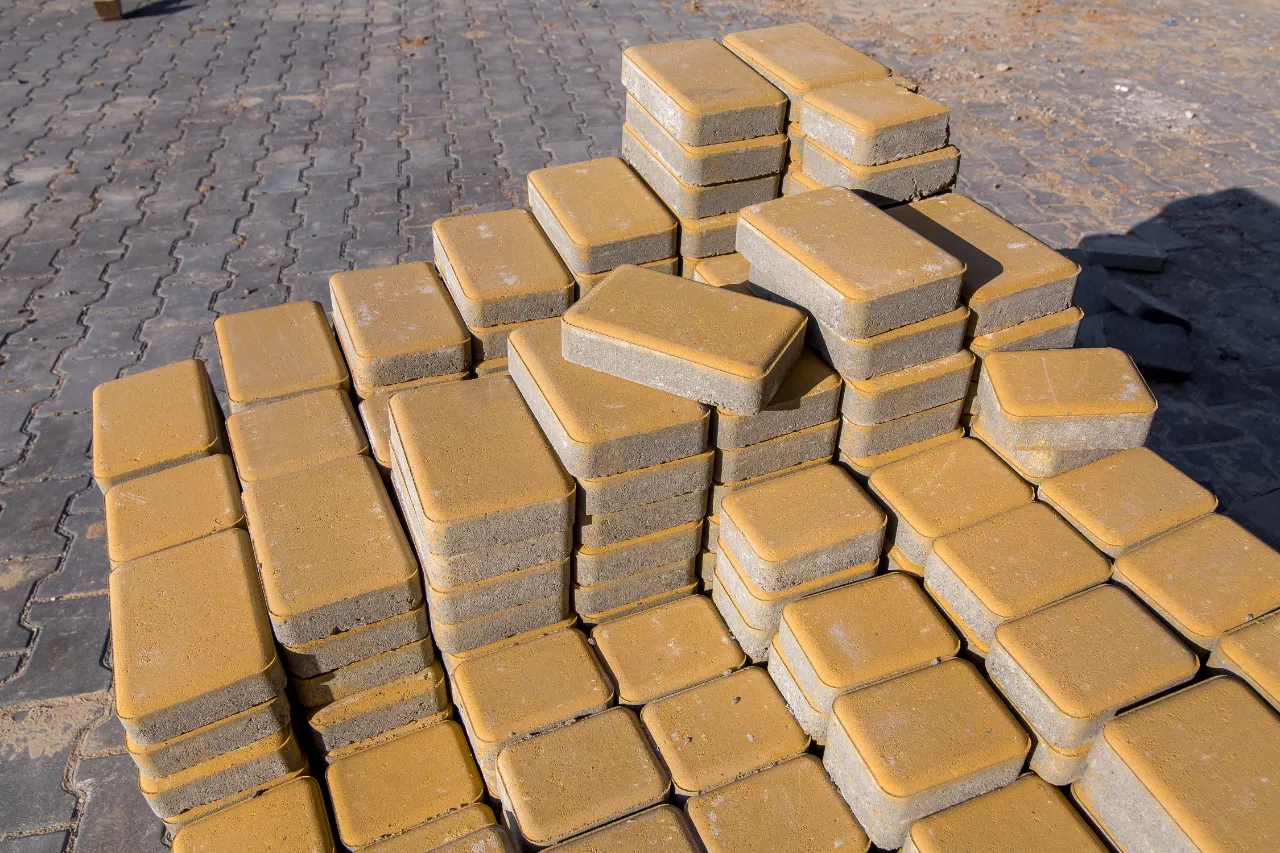
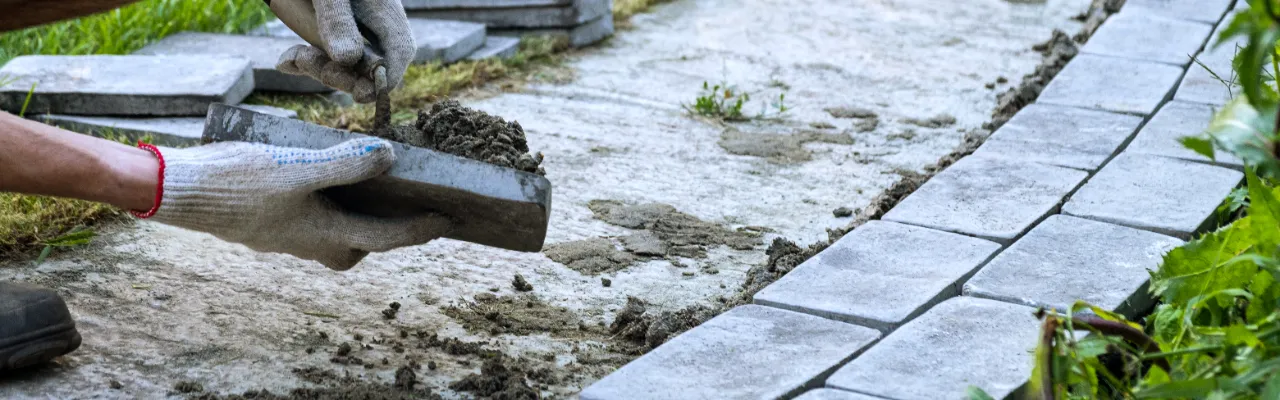
Paver installation before joint sand in Glenham, NY

Topsoil Permit Checked

Chapter one twenty eight covers grading and excavating topsoil here. We check first whether your Glenham project triggers that permit at all.

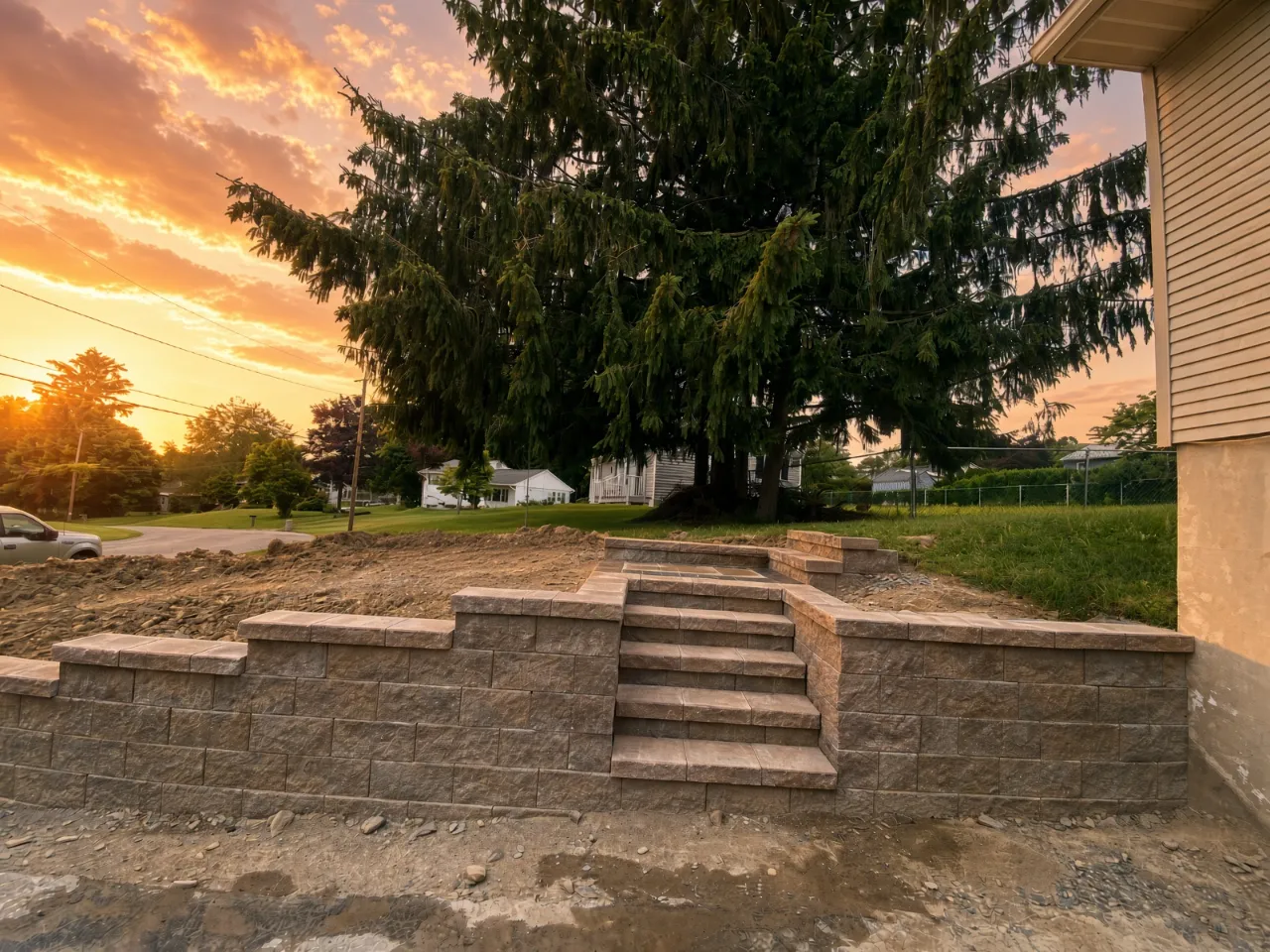
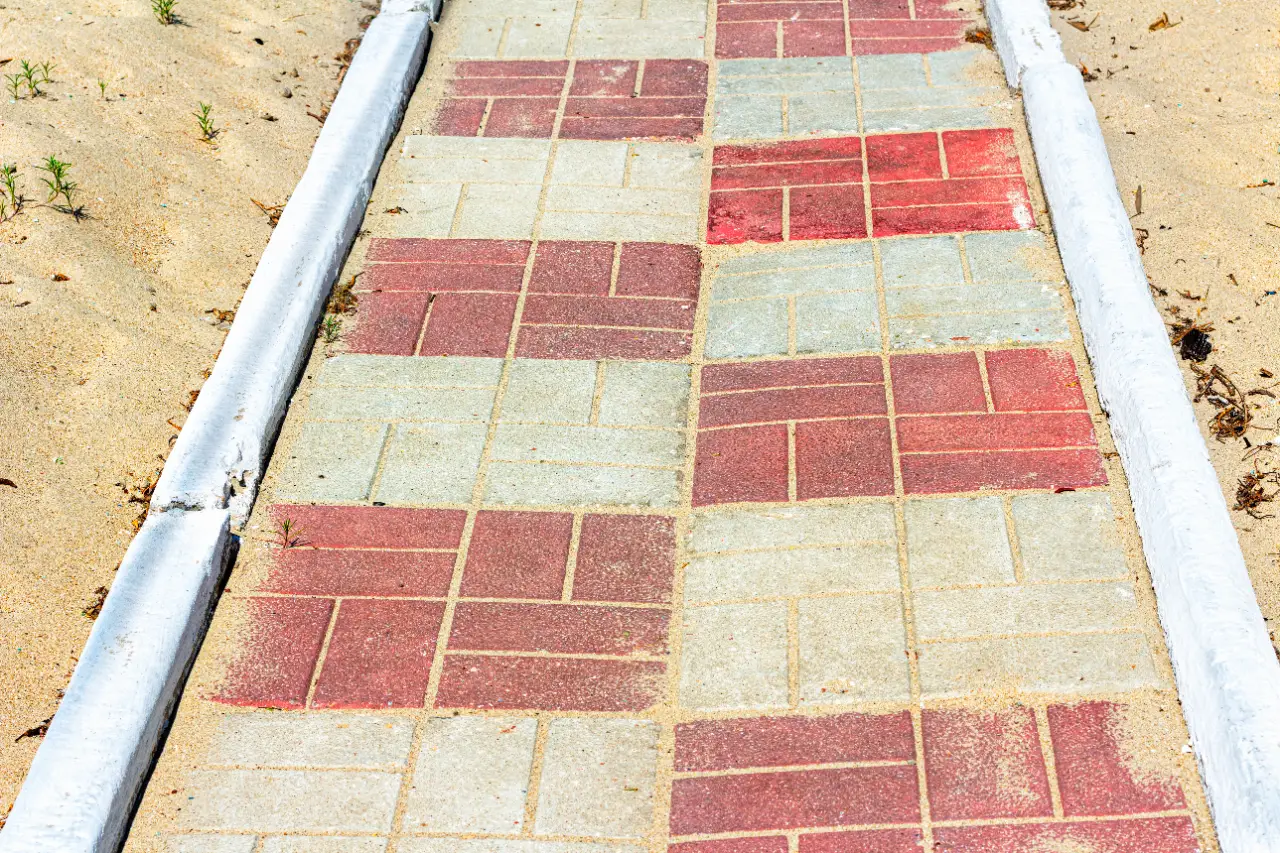
Brick paver path with sanded joints in Glenham, NY

Re-Sanding Files Nothing

Refilling a joint moves no topsoil and cuts no live tree. Those Glenham joints need no permit and no waiting at all.

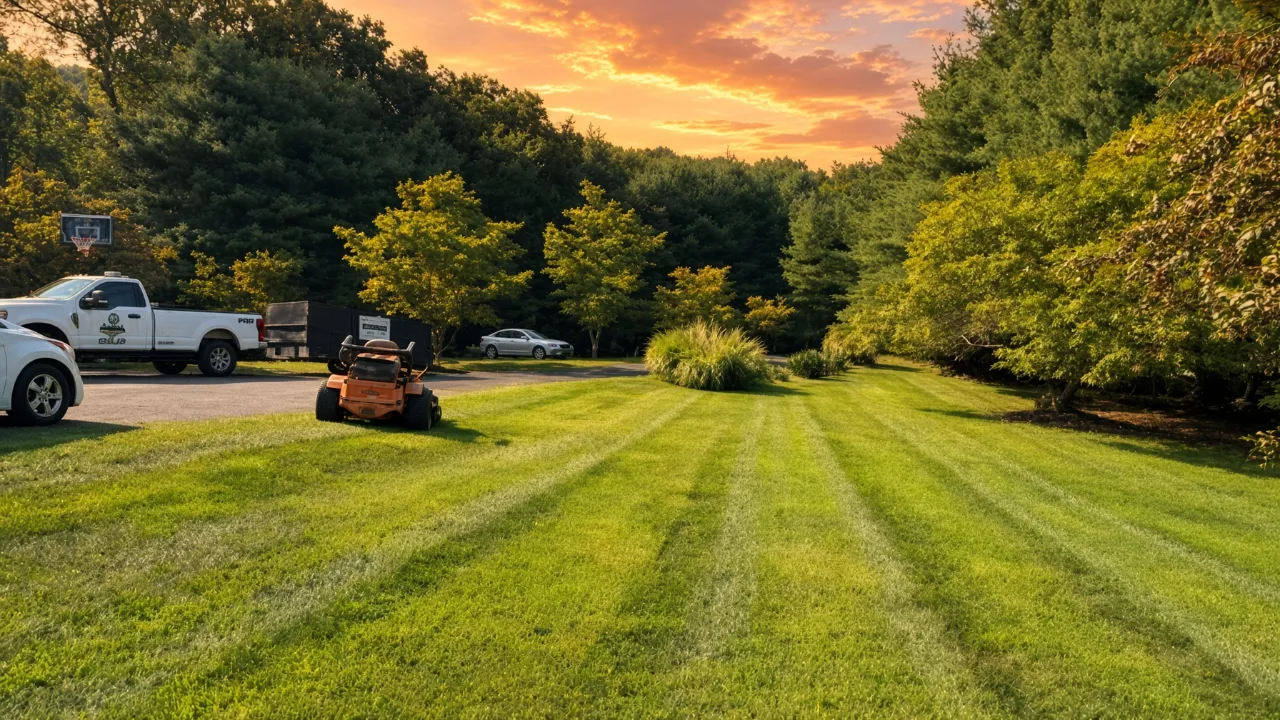
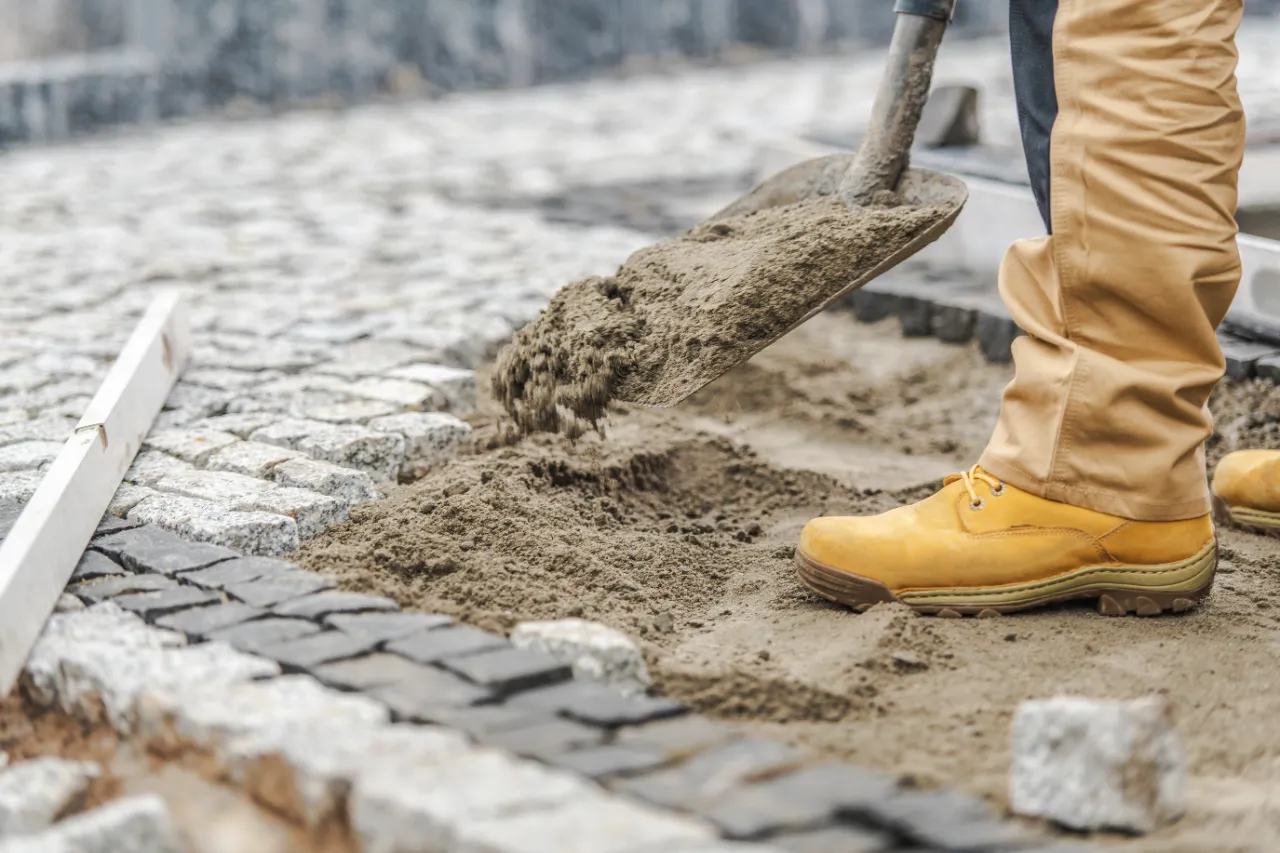
Leveling sand for pavers in Glenham, NY

Three Inch Trees

Live trees three inches in diameter need a removal permit. We flag that at the estimate instead of mid job on site.

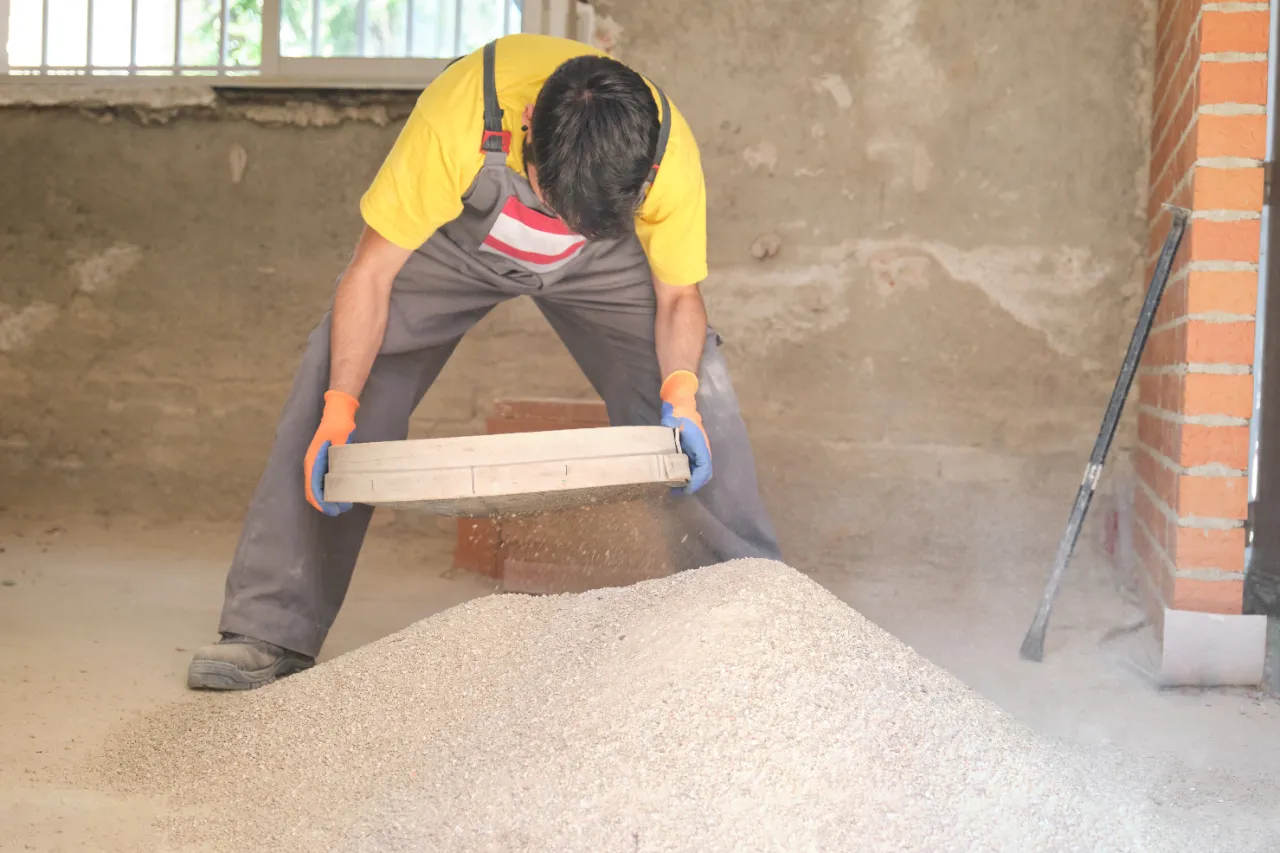
Preparing joint sand on site in Glenham, NY

Creek Lots Reviewed

Ground near the Fishkill Creek can fall under wetland review. We raise that with the town before you sign anything at all.

What Reading the Code First Changes

In this hamlet the town code decides what can start when. Here is what reading chapter one twenty eight first changes.

  • Your project gets scoped against the chapter one twenty eight wording
  • Topsoil and excavation permits get filed by us, not by you
  • Live trees three inches or more get flagged before work starts
  • Creek lot wetland questions reach the town before you sign anything
  • Re-sanding gets confirmed in writing as maintenance that files nothing
  • Root heave near a joint gets named as the real problem
  • Ants and weeds lose the open seam along every joint in Glenham

Polymeric Sand FAQs in Glenham, NY

It depends on the digging. Chapter one twenty eight requires a permit to grade or excavate topsoil. That applies when the work is not tied to a building permit. We check your scope and file what is needed.

No. Refilling joints moves no topsoil and cuts no tree. Re-sanding in Glenham is maintenance. We put the scope in writing so the answer is on paper.

Only with the right permit. The code covers live trees three inches in diameter or more, measured at breast height. We flag it at the estimate and file for it.

It can. Ground near a regulated area is reviewed separately, and wet base soil also moves sand. We raise both questions before quoting the Glenham paver joints.

Usually water or roots, not the sand. A base that stays wet pushes material up and out. We look for the cause instead of refilling the Glenham joints twice.

Seam length, joint width and depth, how much old material lifts out, and any filing. Every Glenham joint goes into one figure, not an itemized list. The written estimate is free.

Check the Code and Fill Your Glenham Seams

Send the address and we will read the code and measure the joints in Glenham. The topsoil permit gets checked first.