Polymeric sand installation and re-sanding in Plattekill, NY by Super Landscaping Inc

Polymeric Sand in Plattekill, NY

Super Landscaping Inc fills paver joints at homes in this farming town. Chapter eighty nine asks for a permit when disturbance reaches one acre. Most patio work never comes close. Polymeric sand in Plattekill, NY is simpler than people expect.

New Pavers, Fresh Joints

Polymeric sand in Plattekill, NY often lands on recent paver work. Plattekill polymeric sand services run from walks and patios to pool aprons. Chapter eighty nine sets its permit threshold at one acre of disturbance. The same chapter exempts landscaping on existing structures and domestic gardening. Fence installation is exempt from it as well. So most Plattekill joints need no filing at all.

When Chapter Eighty Nine Applies

This is one of the clearer rules we have to work under. Chapter eighty nine triggers a permit at one acre of disturbance. An acre is a large area for a residential patio. Most walks, patios and pool decks are far below it. The chapter also lists specific exemptions by name. Landscaping on existing structures and domestic gardening are both exempt. Fence installation sits on that exempt list as well.

That wording covers our joint work directly. Re-sanding is landscaping on an existing structure and nothing more. No ground gets opened and no full acre gets touched. So polymeric sand in Plattekill, NY on a patio files nothing. We still read the scope through with you at the estimate. A large driveway or a full site regrade is different. We say which category your project falls in before quoting it.
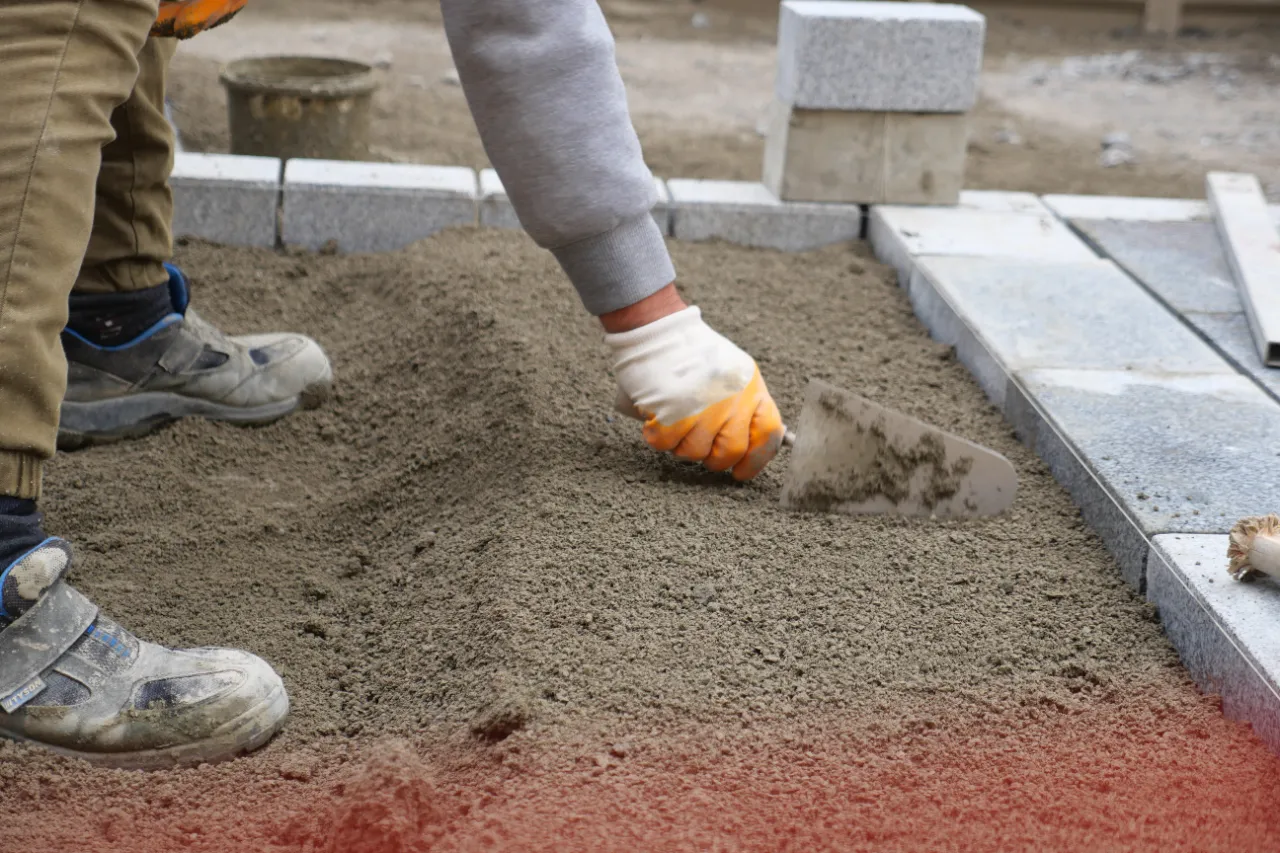
Joints on a Recent Installation

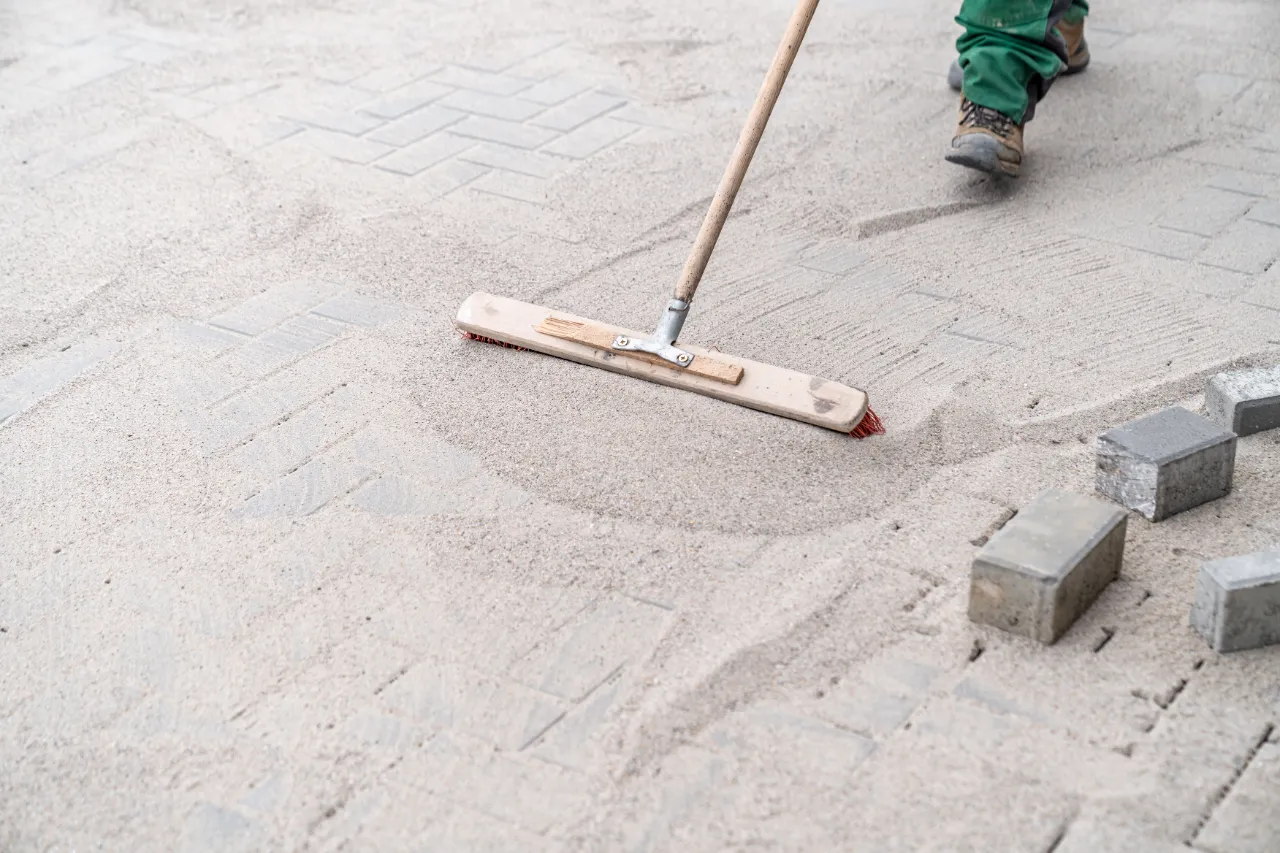
A lot of our calls here are on new pavers. The surface looks perfect and the joints are already losing sand. That usually means the first fill was rushed or too shallow. Sand swept in dry and never compacted does not last. Water from a hose at the wrong pressure washes it out. We lift what is left and refill the Plattekill joints properly. The pavers themselves are usually fine.

A new installation has one advantage worth using. The base is recent, compacted and usually still running true. That is the best condition for a joint to hold. We fill in two or three passes with compaction between. Then the surface gets watered in stages, not flooded at once. Done that way, Plattekill paver joints set the way they should. Doing it right the first time saves the second visit.

Orchards, Ponds and Fruit Sheds

This is farm country, and the work here reflects it. Irrigation ponds, orchard rows and fruit sheds sit on many parcels. Equipment traffic near a patio changes what a joint endures. A tractor crossing a paver apron loads it hard. We ask what crosses the surface before we quote it. Sometimes the answer is a wider restraint, not more sand. Plattekill joint work on a working property gets that question.

Water on a farm parcel moves in carefully managed ways. Irrigation lines, pond overflow and barn roof runoff all have paths. A patio downhill of any of them takes that water. We ask where the water goes during a heavy rain. Then we decide whether sand alone will hold the seam. Re-sanding in Plattekill works when the water is managed. Where it is not, we say so before you pay.

What the Code and the Farm Change

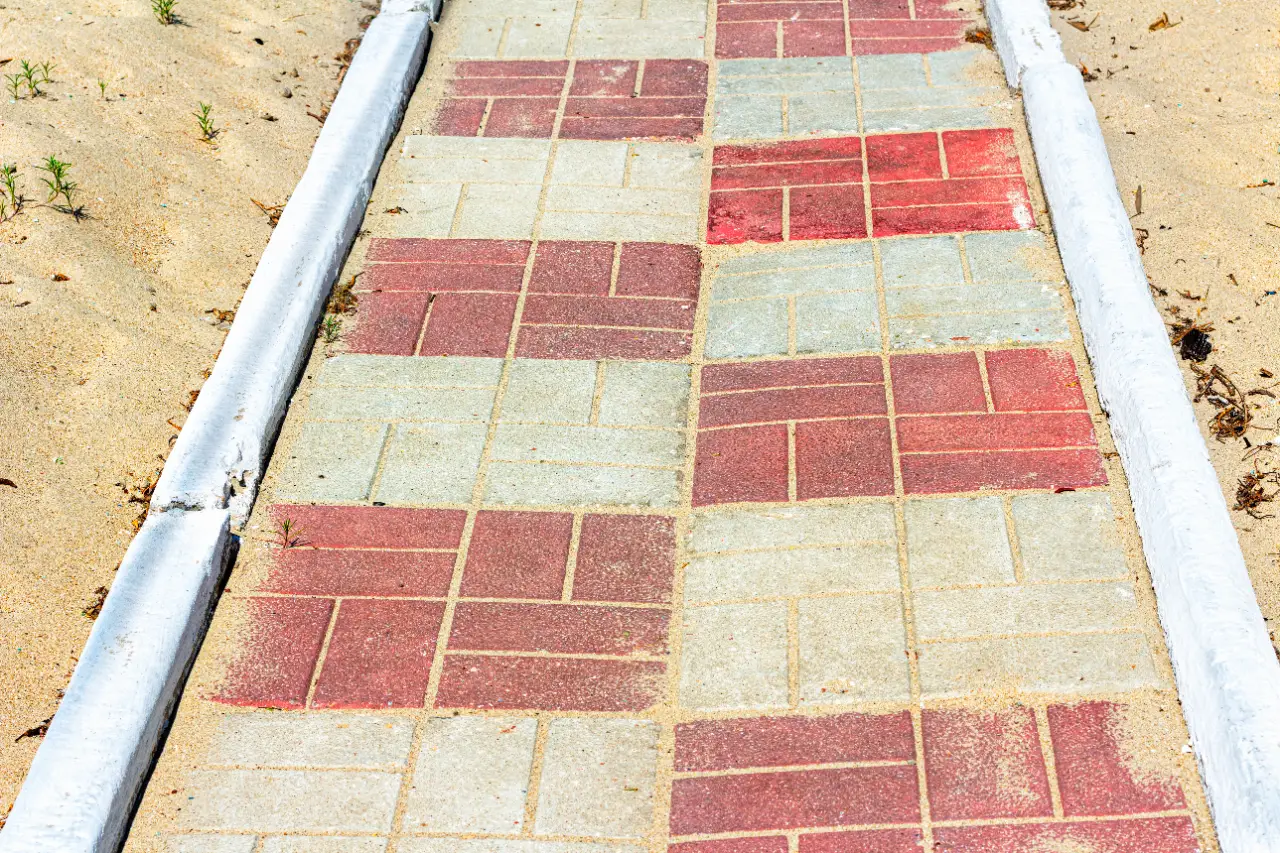
Brick paver path with sanded joints in Plattekill, NY

One Acre Threshold

Chapter eighty nine triggers a permit at one acre of disturbance. A residential patio sits nowhere near that much open ground here.

Leveling sand for pavers in Plattekill, NY

Exempt by Name

Landscaping on existing structures and domestic gardening are both exempt here. Re-sanding the Plattekill joints falls squarely inside that exempt code wording.

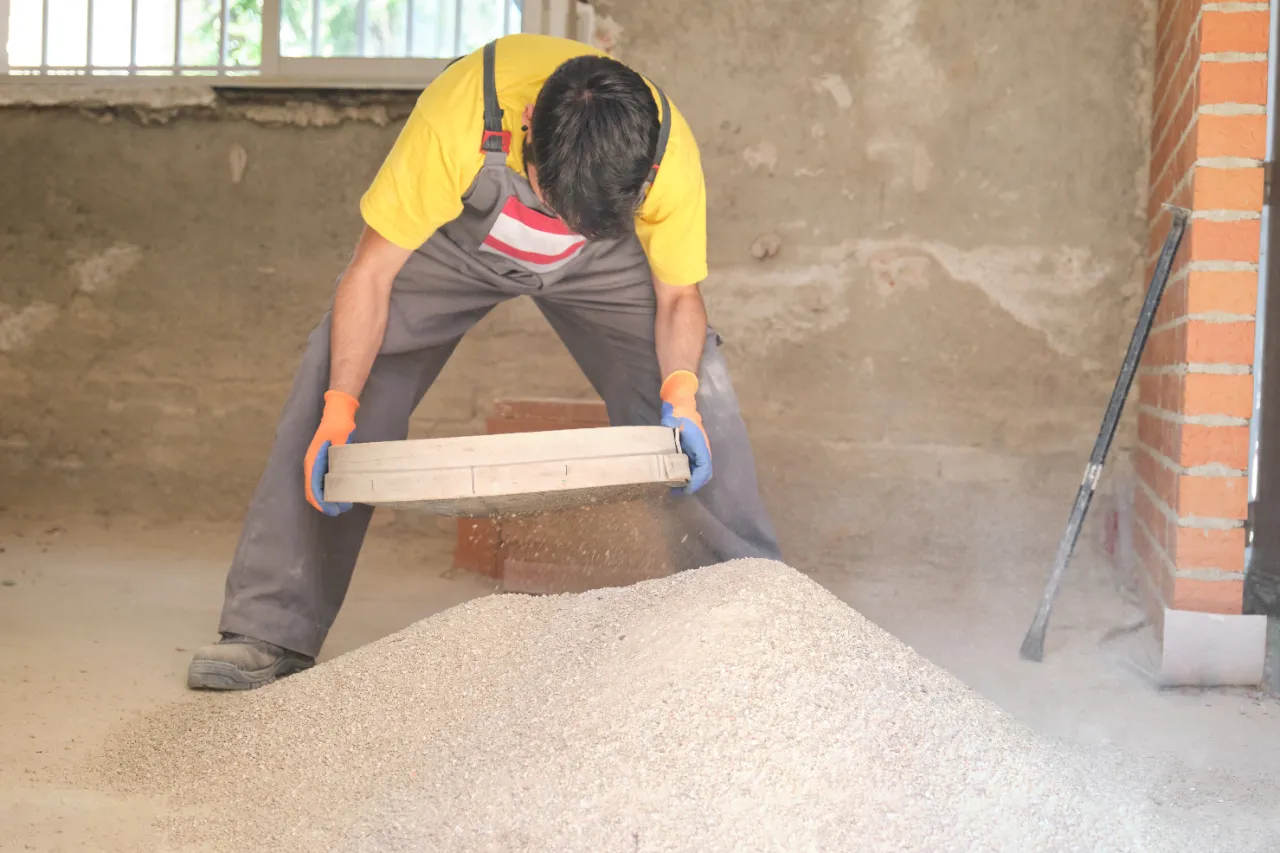
Preparing joint sand on site in Plattekill, NY

New Pavers, Rushed Joints

Fresh installations often lose sand because the first fill was shallow. We lift what is left and refill those joints properly instead.

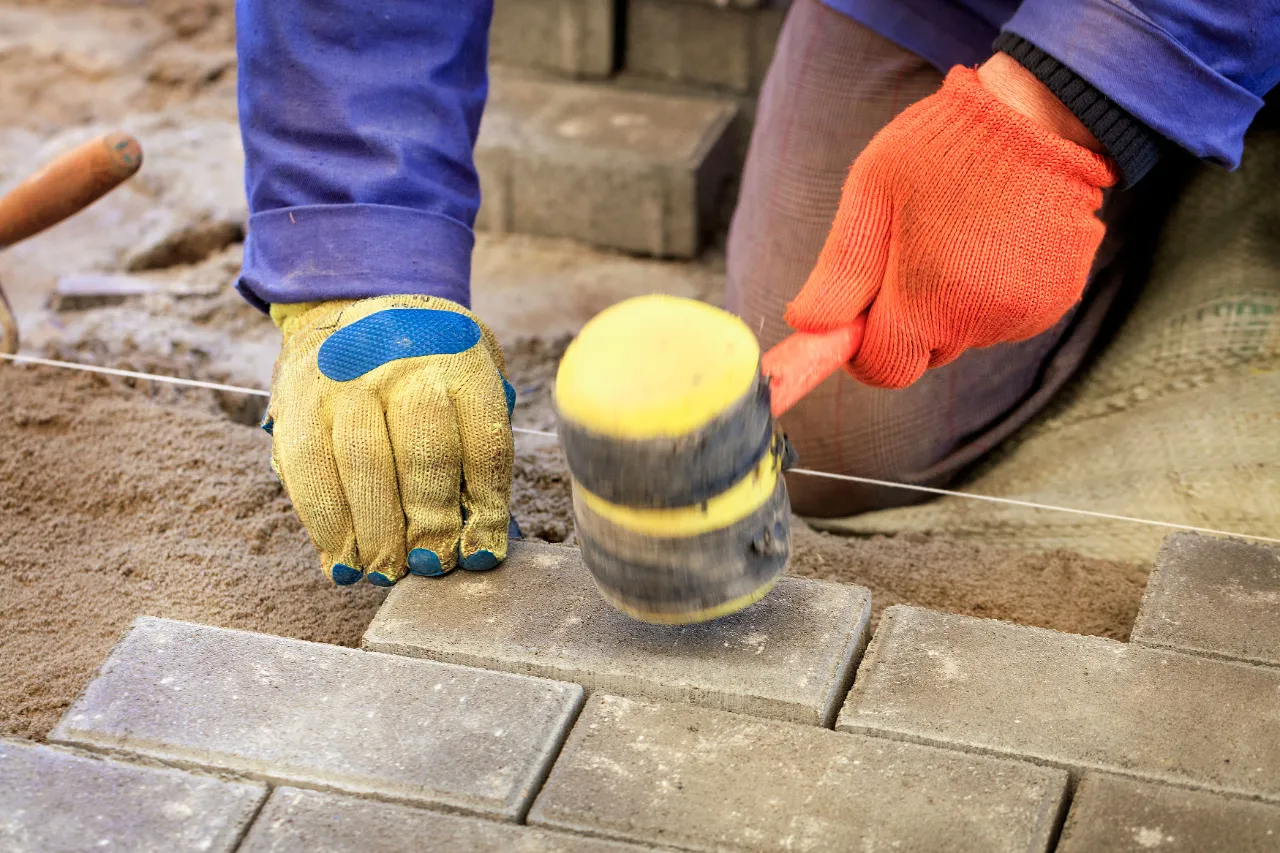
Setting patio pavers before re-sanding in Plattekill, NY

Farm Traffic Counted

Tractors and equipment crossing a paver apron load it hard. We ask what crosses the surface before we quote the joint work.

What Getting It Right First Changes

Here most of the work is new, and the code stays out of it. This is what the Plattekill approach changes.

  • Your scope gets read against the chapter eighty nine exemptions
  • Rushed first fills get lifted and redone, not topped up
  • Joints get filled in passes with compaction between each one
  • Watering happens in stages so the surface never gets flooded
  • Farm equipment traffic gets counted before the restraint is set
  • Pond overflow and barn runoff paths get traced at the estimate
  • Ant colonies and weed seed give up on a sealed Plattekill joint

Polymeric Sand FAQs in Plattekill, NY

Almost never. Chapter eighty nine triggers at one acre of disturbance, and a patio is far below that. Landscaping on existing structures and domestic gardening are exempt by name.

Usually the first fill. Dry sand swept in without compaction, or hosed too hard, washes out fast. We lift what is left and refill the Plattekill joints in passes.

Often yes. The base is recent and still true, which is the best condition for a joint. We fill in two or three passes and water in stages.

It does. Equipment loads a surface far harder than a car. We ask what crosses before quoting the Plattekill paver joints, and sometimes recommend a wider restraint.

It depends on the overflow path. Water that runs over a patio in a storm takes sand with it. We trace where it goes before quoting anything.

Seam length, joint width and depth, how much old material lifts out, and the access. Polymeric sand in Plattekill is quoted as one number. The estimate is free.

Fill the Plattekill Joints Properly

Send the address and we will read the scope and measure the Plattekill joints. The one acre rule gets verified.