If you have a paver patio, walkway or driveway, you've probably wondered how often you should seal pavers. It's one of the most common questions homeowners ask us in New York. The honest answer is that it depends, but there are clear signs and simple guidelines that make the decision easier.
Sealing protects pavers from stains, fading and water damage. It also helps joint sand stay in place and makes routine cleaning much easier. But sealer doesn't last forever. Sun, traffic, road salt and freeze and thaw cycles slowly wear it down.
In this guide, we'll cover the factors that affect how often pavers need sealing. You'll learn the signs that it's time for a fresh coat and what proper resealing looks like. We'll also share a few tips to help each coat last longer. By the end, you'll know how to set a realistic resealing schedule for your own property. You'll also know what to ask a contractor before booking.
A General Guideline for Resealing
Many sealer manufacturers suggest resealing pavers every few years. A range of about three to five years is a common guideline, but real conditions matter more than any calendar.
Surfaces that see heavy traffic or full sun usually need attention sooner. Shaded patios with light use can often go longer between coats. Your local climate matters as well, and New York winters are hard on any surface.
The type of sealer also plays a role. Some products are designed to last longer than others, and film- forming sealers wear differently than penetrating ones. The best approach is to follow the product guidelines. Then adjust based on how your pavers actually look and perform over time.
What Affects How Long Sealer Lasts
Traffic is one of the biggest factors. Driveways take tire wear, oil drips and turning cars, so they often need resealing before patios do. Walkways with daily foot traffic usually sit somewhere in between.
Sun exposure matters too. Strong UV light breaks down sealer and fades color faster. Shaded areas stay protected longer, though they may deal with more moss and mildew.
In New York, winter is tough on sealer. Road salt tracked onto driveways, snow shoveling and repeated freeze and thaw all take a toll. Surfaces that face heavy winter abuse typically show wear sooner than protected, covered spaces.
Signs Your Pavers Need Sealing
Your pavers will usually tell you when they need a fresh coat. The simplest test is to sprinkle some water on the surface. If it beads up, the sealer is still working. If it soaks in quickly, protection is wearing thin.
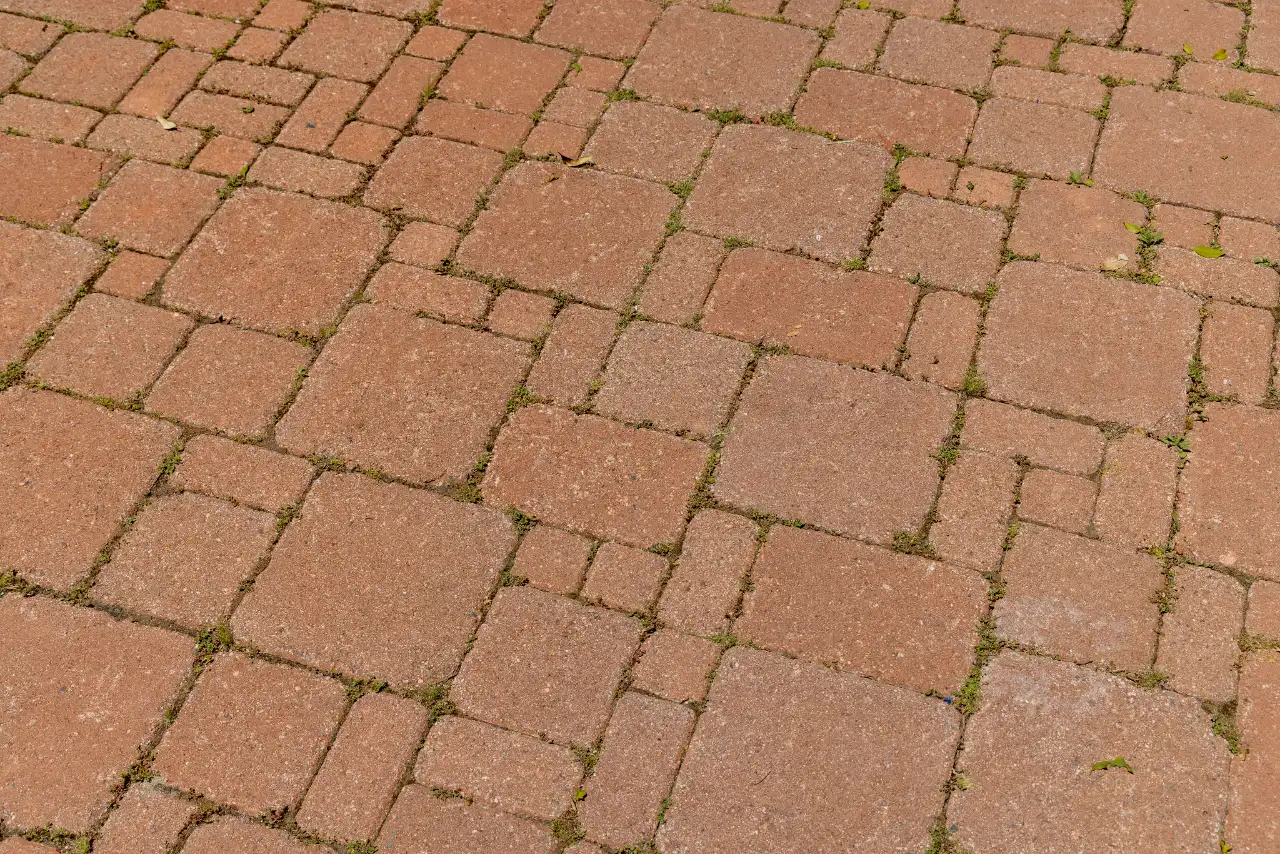
Faded or dull color is another sign, especially if the pavers once looked richer and darker. Stains that set in easily, loose or missing joint sand and weeds growing between pavers all point to worn protection.
If the pavers look patchy, with some areas darker than others, the sealer may be wearing unevenly. That's a good time to schedule cleaning and resealing.
How to Make Each Coat Last Longer
Proper prep is the biggest factor in how long sealer lasts. Pavers should be thoroughly cleaned, stains treated and the surface completely dry before sealing. Sealer applied over dirt or moisture won't bond well.
Refilling the joints with polymeric sand before sealing also helps. Tight joints keep pavers locked in place and reduce the spots where water and weeds get in.
After sealing, simple maintenance goes a long way. Sweep regularly, rinse off spills quickly and avoid harsh chemicals. In winter, go easy on rock salt and use a plastic shovel blade when you can. These small habits help your pavers look better for longer.