When a paver patio or driveway starts to look worn, most homeowners face the same question. Should you restore the pavers you have, or tear them out and start over? It's a big decision, and the answer isn't always obvious.
Faded color, stains, weeds and a few low spots can make a surface look far worse than it really is. In many cases, the pavers themselves are still in good shape. What's failing is the joint sand, the sealer or a small section of the base. In other cases, the damage runs deeper, and replacement is the smarter move.
In this guide, we'll compare paver restoration vs replacement in plain terms. We'll explain what each option involves and when each one makes sense. Then we'll show you how to decide on your own New York property. The goal is to help you spend your money where it actually makes a difference.
What Paver Restoration Involves
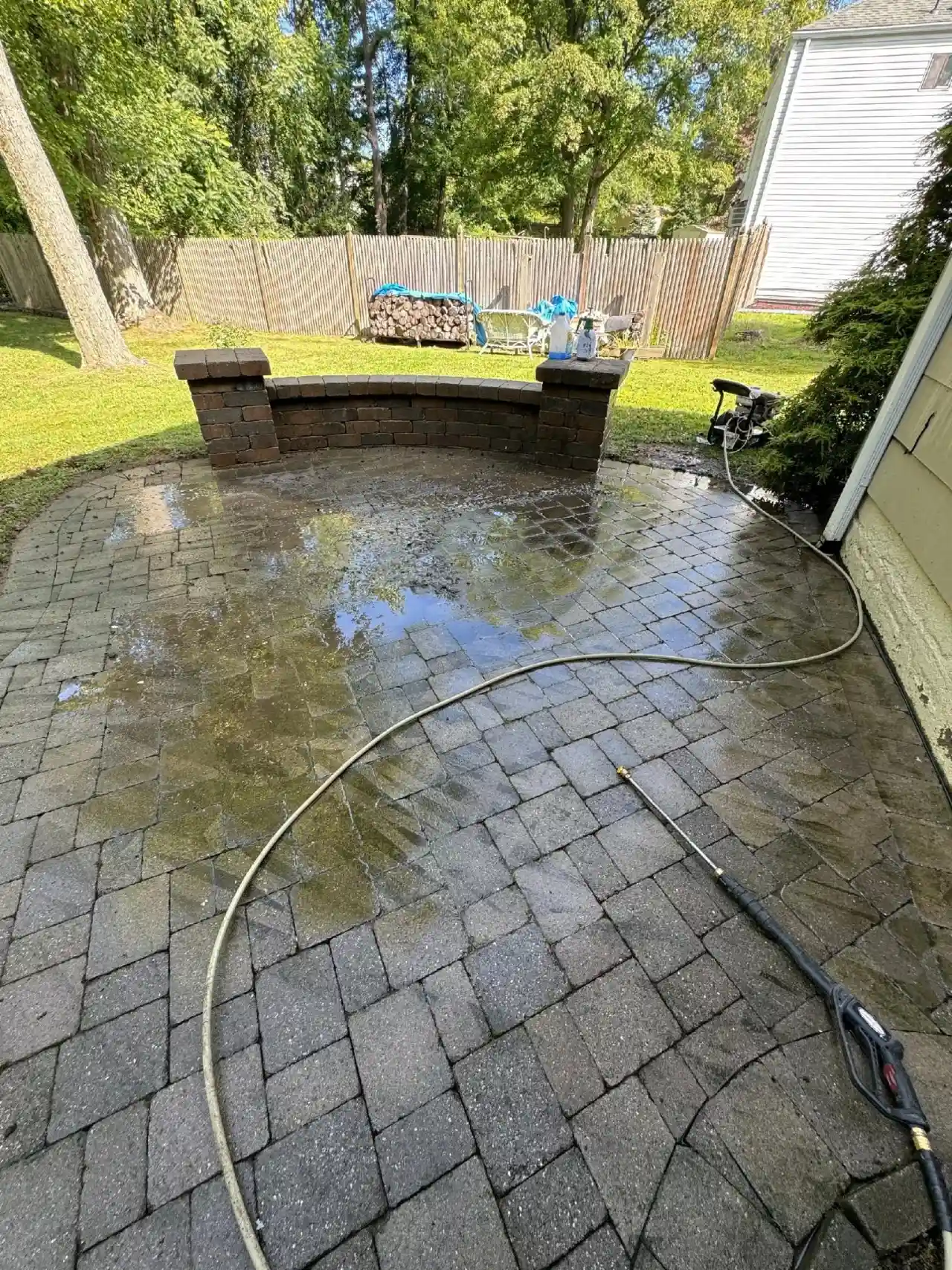
Paver restoration brings an existing surface back to life without removing it. The process usually starts with a deep cleaning to remove dirt, moss, algae and old residue. Stains like oil, rust and efflorescence are treated individually.
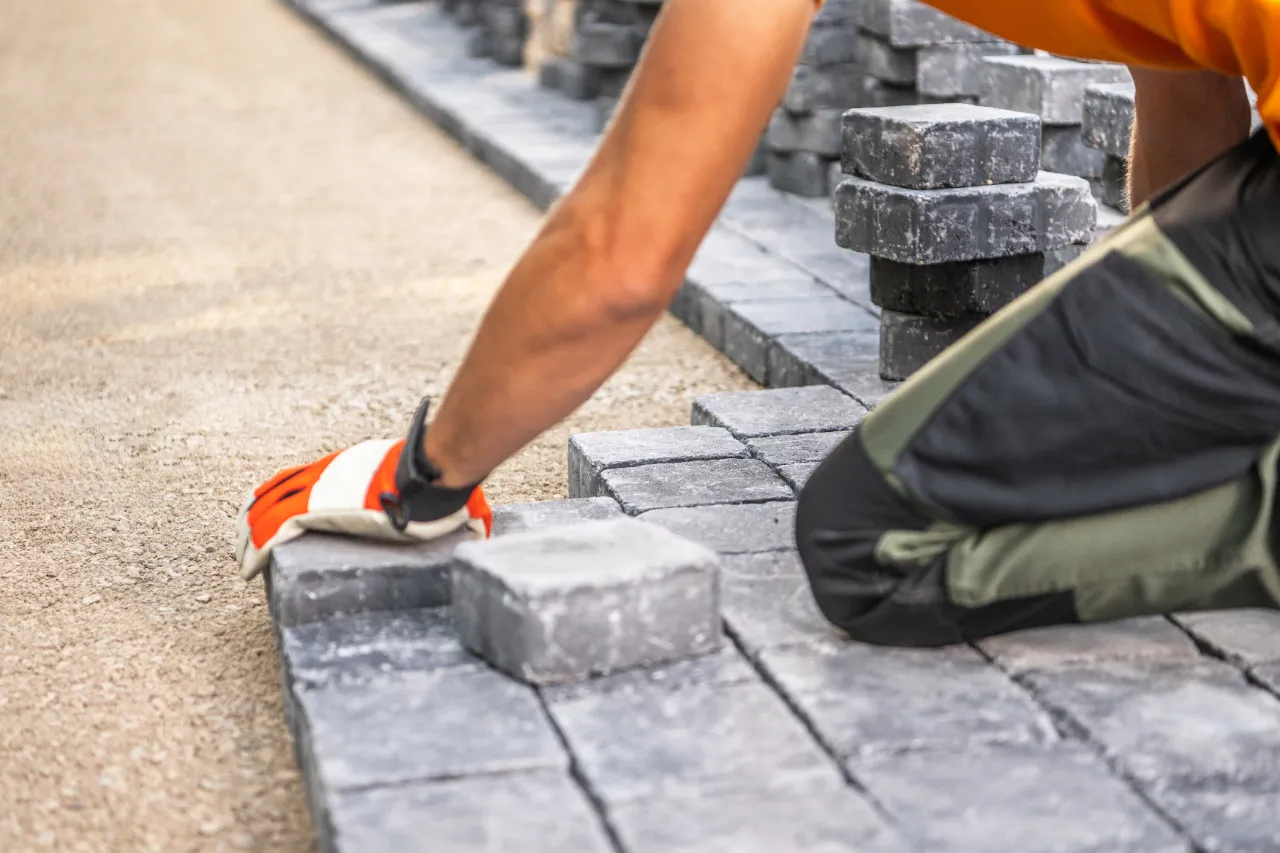
Next, any sunken or uneven areas are releveled. Pavers are lifted, the base is corrected and they are reset. Then the joints are refilled with polymeric sand to lock everything in place.
The final step is sealing, which protects the surface and often deepens the color. When it's done well, restoration can make an old patio or driveway look close to new again. It usually costs a fraction of a full replacement.
When Restoration Makes Sense
Restoration is usually the right call when the pavers themselves are solid. If most pavers are intact, with only minor chips or surface wear, there's no reason to throw them out.
It also makes sense when problems are mostly cosmetic. Fading, stains, weeds, empty joints and a few low spots are all things restoration handles well.
Finally, restoration is a good fit if you like your current layout and style. Replacement gives you a blank slate. But if the design still works for your home, restoring it saves time, money and disruption. Many homeowners in New York restore their pavers every several years to keep them looking sharp.
When Replacement Is the Better Choice
Sometimes restoration just isn't enough. If many pavers are cracked, crumbling or badly spalled, cleaning and sealing won't fix the damage. Replacement makes more sense.
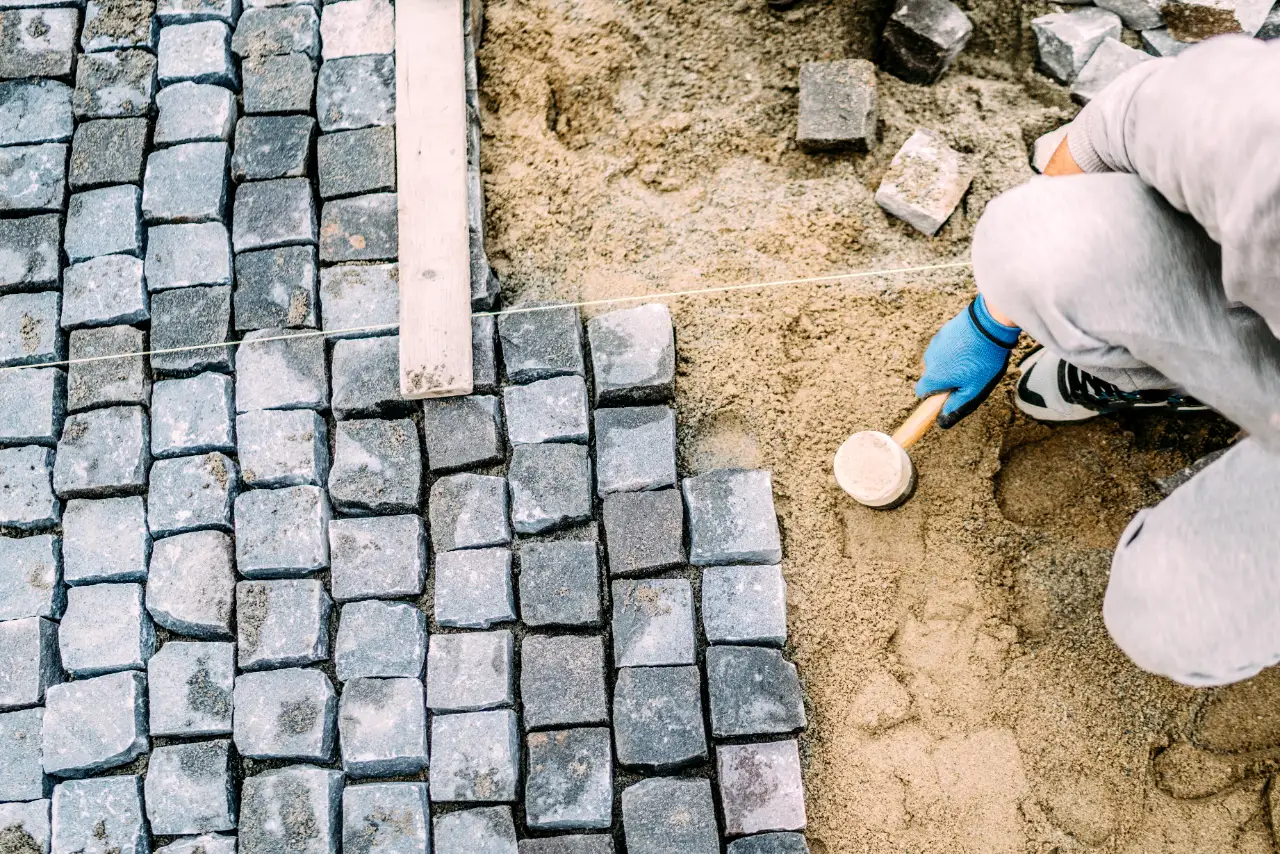
A failed base is another reason to consider starting over. If large areas are sinking, heaving or shifting, the problem runs deeper than a few low spots. Rebuilding the base properly is the only lasting fix.
Design changes can also tip the balance. If you want a bigger patio, a new shape or a different material, replacement gives you that freedom. It's also worth considering when drainage needs to be redesigned, since that often requires removing the surface anyway.
How to Decide for Your Property
Start by looking closely at the pavers themselves. Are most of them whole and solid? If so, restoration is likely the better value. If a large share is cracked or broken, lean toward replacement.
Next, check how the surface moves. A few isolated low spots can be releveled. Widespread sinking or heaving suggests a base problem that may call for a rebuild.
Finally, think about your plans. If you're happy with the layout, restore it. If you want something new, replacement may be worth it. An on-site inspection from an experienced paver contractor is the easiest way to get a clear answer.