Planning a new patio or walkway is exciting, but choosing the material can feel overwhelming. Two of the most popular options in New York are natural stone and concrete pavers. Both can look great and last for years. Yet they differ in cost, style, upkeep and how they handle our winters.
Natural stone brings a one-of-a-kind look that many homeowners love. Concrete pavers offer consistent shapes, a wide range of colors and easy repairs. Neither one is the right answer for every home. The best choice depends on your budget, your home's style and how you plan to use the space.
In this practical guide, we'll compare natural stone vs concrete pavers side by side. We'll look at appearance, durability, winter performance, maintenance and cost, so you can make a confident decision. We'll also share what matters most when you want a patio that holds up to Hudson Valley weather.
Look and Style
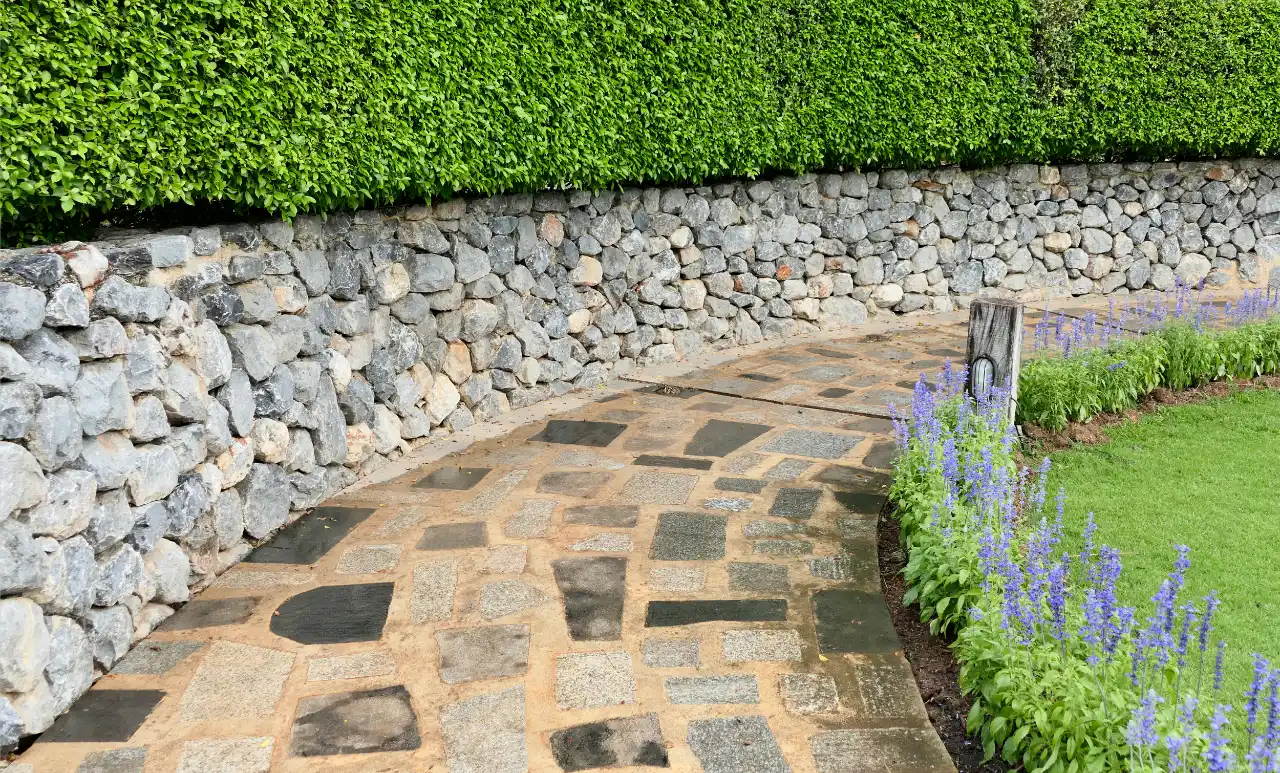
Natural stone offers a timeless, organic look. Materials like bluestone, flagstone and granite come with natural variation in color and texture. No two pieces are exactly alike. That variety pairs well with older homes and natural landscapes.
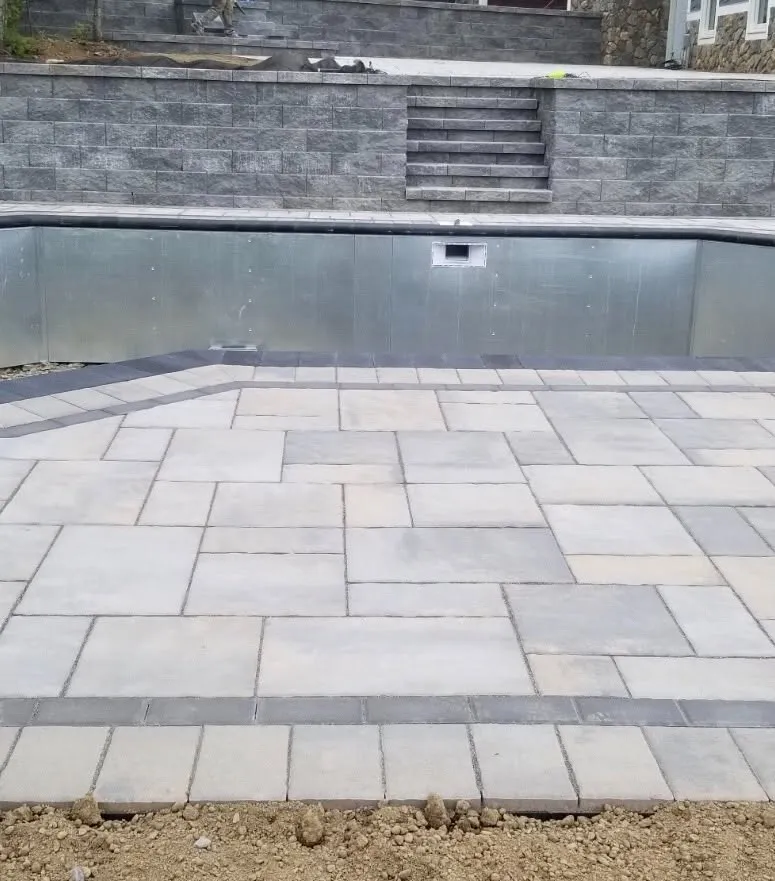
Concrete pavers are more uniform. They come in many shapes, sizes, colors and textures, including styles made to look like stone or brick. That consistency makes it easy to create clean patterns and crisp borders.
If you want a rustic or high-end natural feel, stone is hard to beat. If you prefer a tidy, modern or patterned look, concrete pavers give you more design control and more color options.
Durability and Winter Performance
Both materials can handle New York winters when installed correctly. The base underneath matters more than the surface material. A deep, well compacted and well drained base is what prevents heaving and shifting.
Dense natural stones like granite and quality bluestone are very durable. Softer or more porous stones may absorb water and wear faster in freeze and thaw conditions.
Concrete pavers are manufactured to be strong and dense. Because they're individual units with joints, they flex slightly as the ground moves, which helps them resist cracking. If a paver does crack, it can be swapped out without disturbing the rest of the surface.
Maintenance and Repairs
Concrete pavers are generally easy to maintain. Periodic cleaning, joint sand refills and sealing every few years keep them looking fresh. Individual pavers can be lifted and replaced if they're stained or damaged.
Natural stone also benefits from cleaning and sealing, depending on the type. Some stones are more prone to staining or surface flaking, so choosing the right stone matters.
Repairs can be trickier with natural stone, especially with irregular flagstone, because matching pieces is harder. With either material, keeping joints full and water draining away is the most important maintenance step. A quick check every spring catches small problems before they grow.
Cost and Value
In general, natural stone costs more than concrete pavers, both for the material and the installation. Stone is heavier and often needs more cutting and fitting on site, which adds labor time.
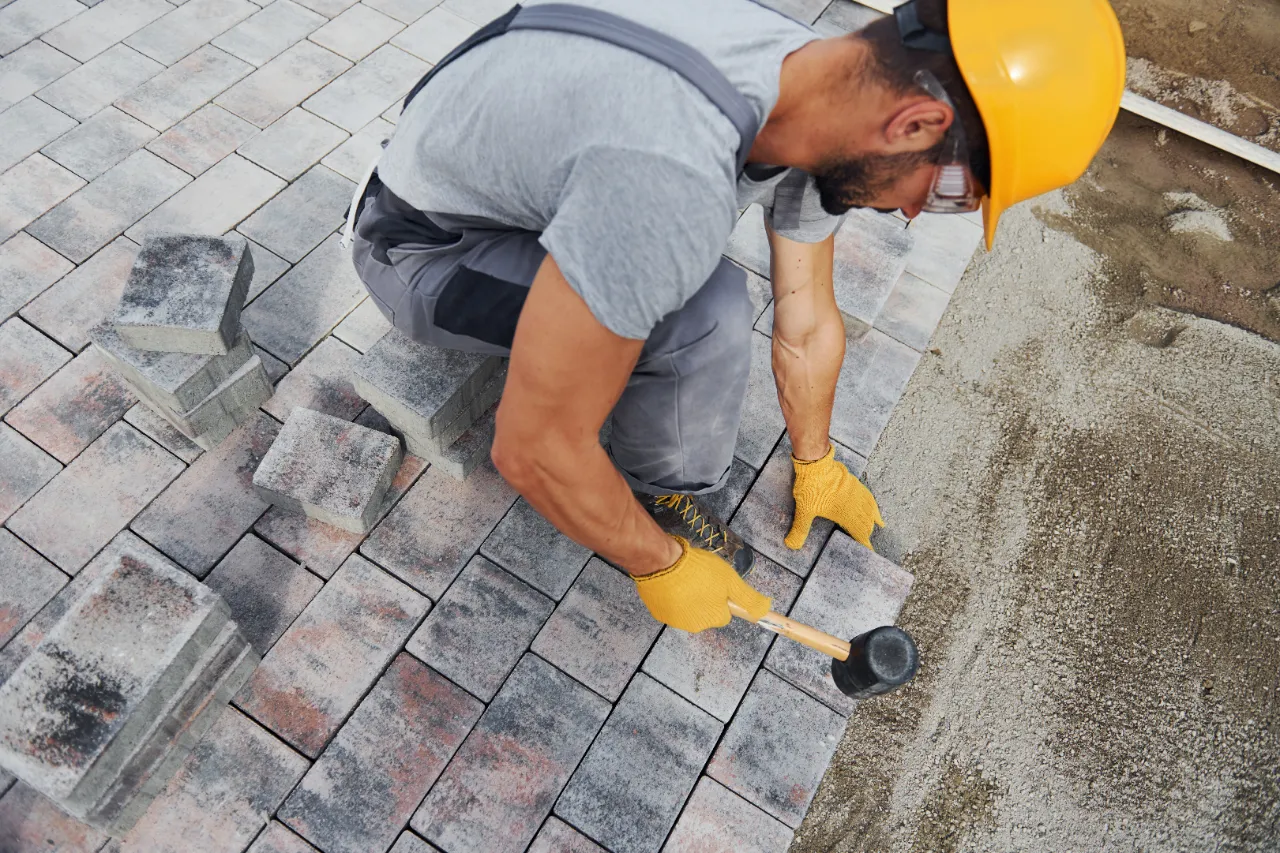
Concrete pavers usually offer a lower upfront cost and faster installation. That can make them a good fit if you have a larger area to cover or a tighter budget.
Value isn't only about price, though. Natural stone can add a premium feel that some buyers appreciate. Concrete pavers offer flexibility and easy repairs. The right choice balances your budget, the look you want and how long you plan to enjoy the space.