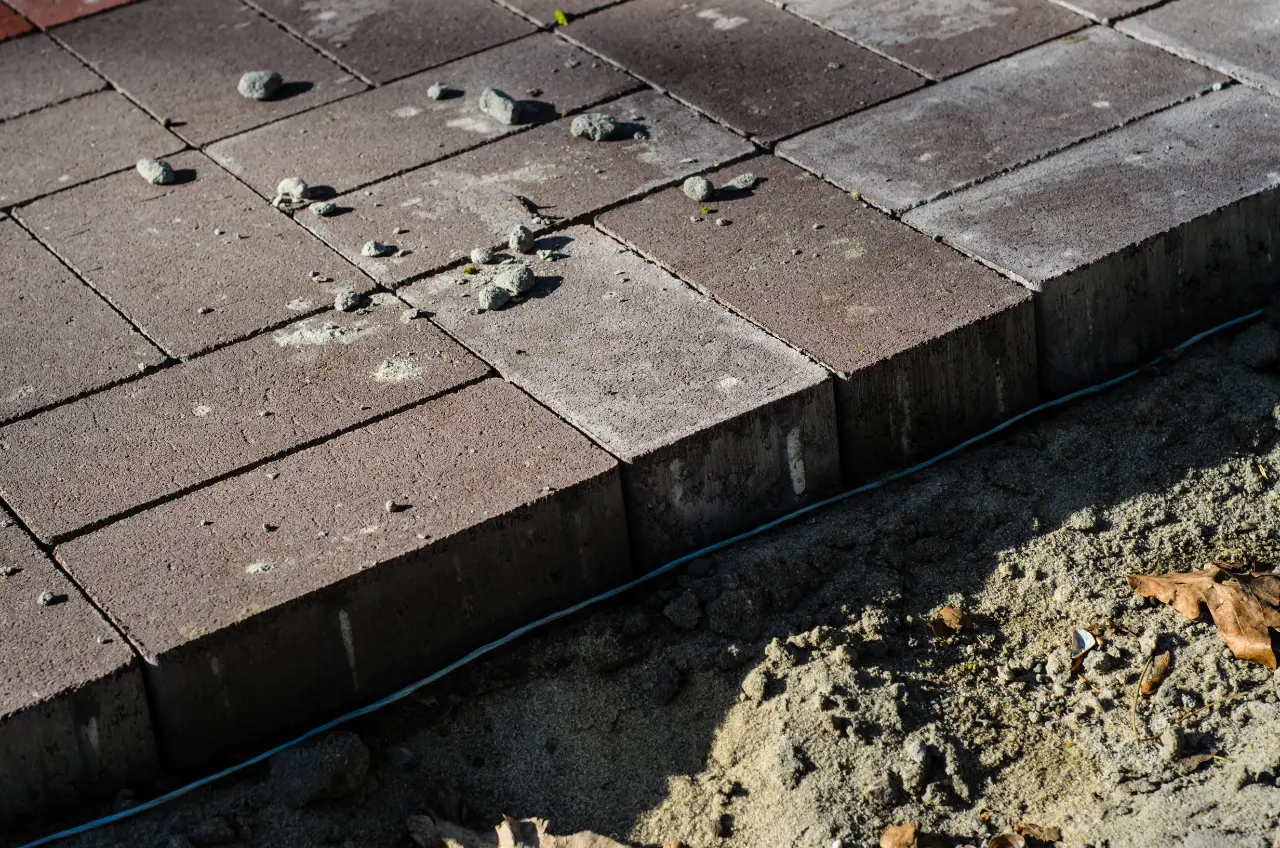
If you've had pavers installed or cleaned recently, you've probably heard the term polymeric sand. It's what fills the joints between most modern paver patios, walkways and driveways. But many homeowners in New York aren't sure what it actually does or why it matters.
Polymeric sand is more than regular sand. It contains binders that harden once they're activated with water. That hardened layer locks pavers together, helps keep weeds out and holds up much better against rain than loose sand.
Joint sand might seem like a small detail. But it plays a big role in how long your pavers stay level, tight and clean. When it washes out, pavers start to shift, weeds move in and the whole surface looks tired. Below, we'll explain how polymeric sand works and how long it lasts in New York conditions. We'll also show you how to tell when your joints need a refill.
How Polymeric Sand Works
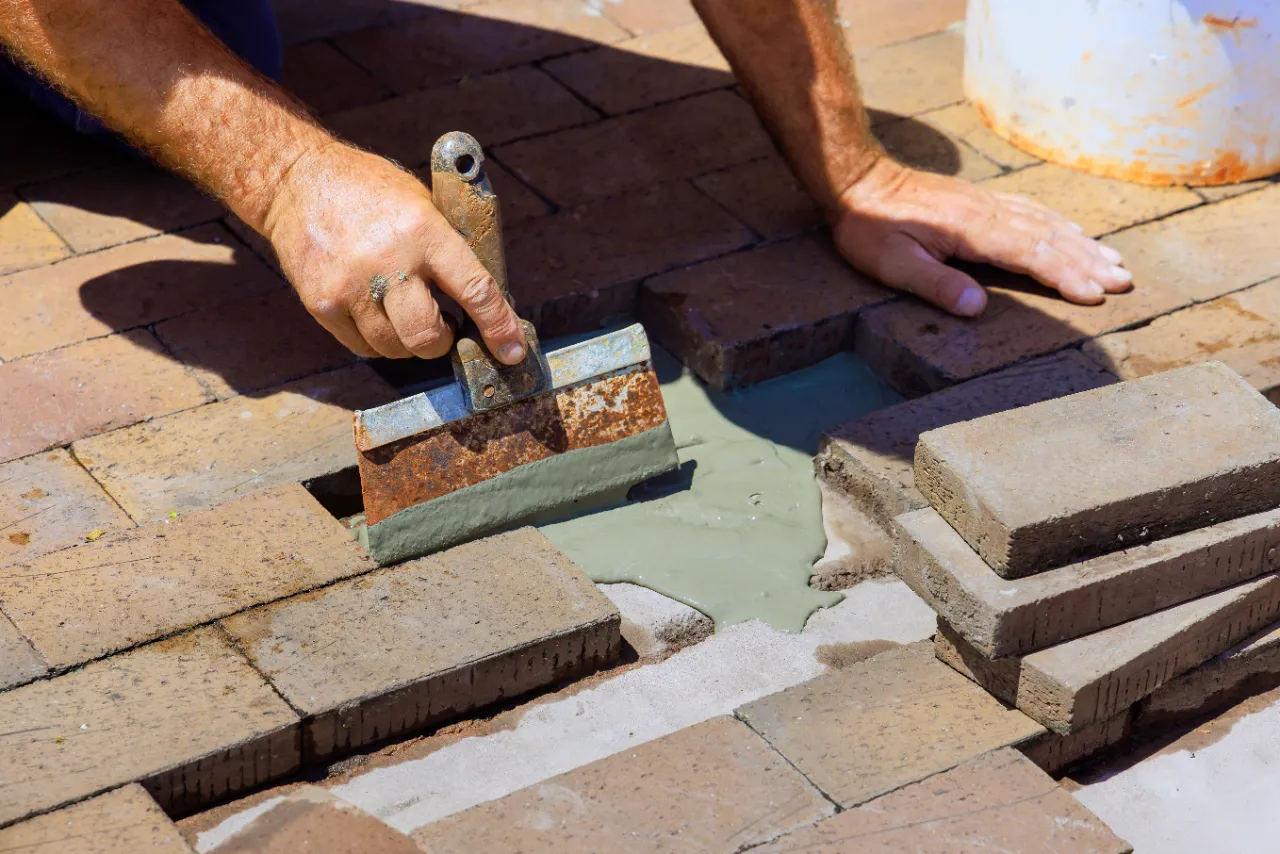
Polymeric sand is a blend of fine sand and polymer binders. It goes in dry, swept into the joints between pavers. Once the joints are full, the sand is compacted to remove air pockets and settle it firmly.
Next, the surface is misted with water. The water activates the binders, and as the sand cures, it hardens into a firm but slightly flexible joint. That flexibility matters, because it allows small movement without cracking.
The result is a joint that stays put. Pavers lock together more tightly. The hardened sand also forms a barrier that makes it harder for weeds, ants and water to get through.
Polymeric Sand vs. Regular Sand
Regular joint sand does fill the gaps, but it stays loose. Rain, snowmelt and even a garden hose can wash it out over time. Once the joints empty, pavers start to move and weeds find easy places to grow.
Polymeric sand holds up much better. Because it hardens, it resists washout and stays in the joints far longer. It also discourages ants from tunneling under pavers, which is a common problem with loose sand.
For most patios, walkways and driveways in New York, polymeric sand is the better long term choice. It costs more upfront than regular sand, but it usually saves you from frequent refills and weed control.
How Long Polymeric Sand Lasts
Polymeric sand can last many years when it's installed correctly. How long yours lasts depends on traffic, drainage, weather and the quality of the original installation.
In New York, freeze and thaw cycles and heavy rain put steady stress on joints. Surfaces with poor drainage may lose sand sooner. So can joints that were not fully filled, compacted or activated during installation.
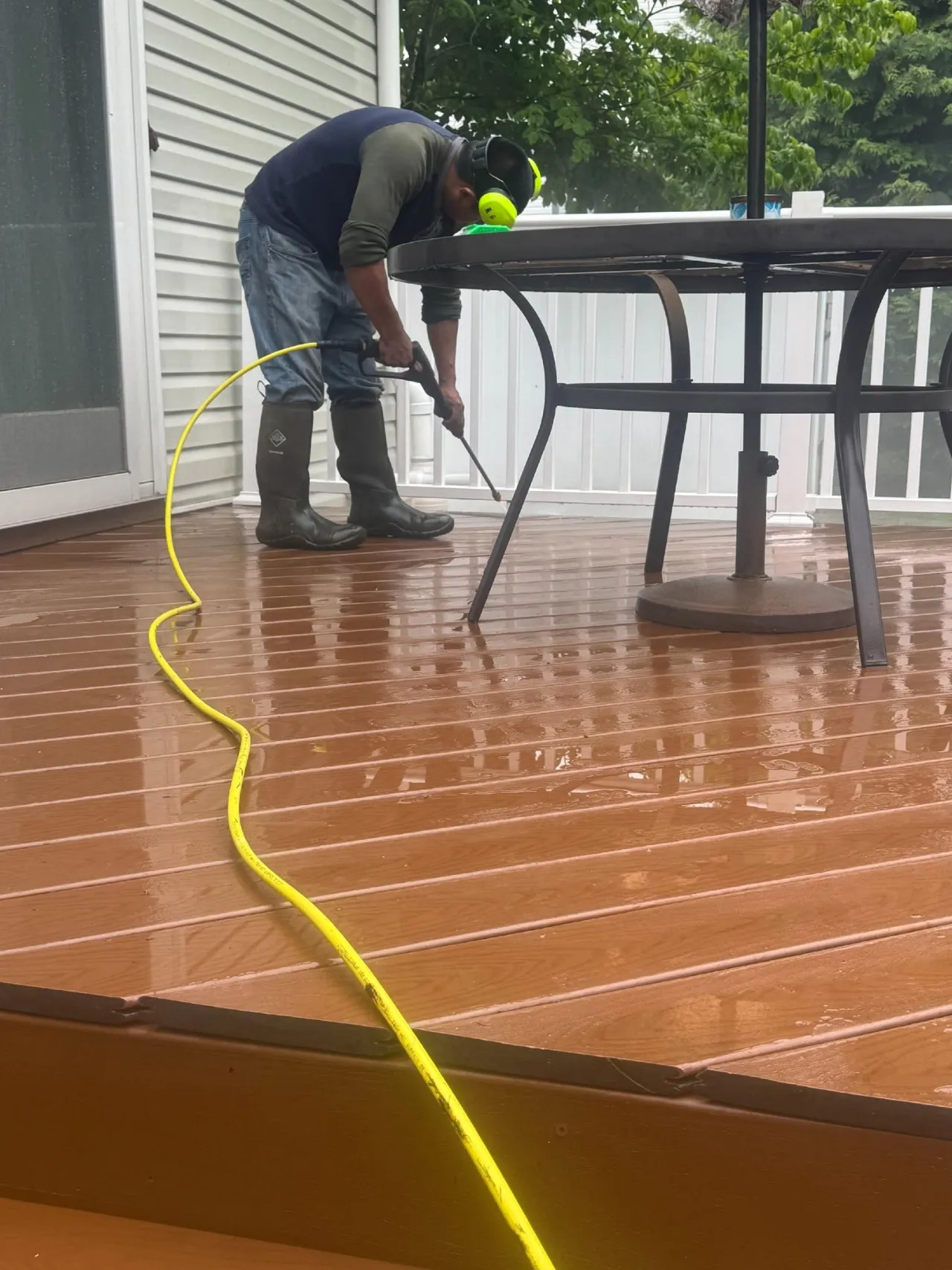
Pressure washing can also remove joint sand if the pressure is too high or the nozzle is held too close. That's why paver cleaning should always be followed by a check of the joints and a refill where needed.
Signs Your Joints Need a Refill
The easiest sign to spot is visible gaps between pavers. Look for sand that sits well below the paver edges or joints that look empty in places. Either one means it's time for a refill.
Weeds and grass growing between pavers are another clue. So is sand washing onto the surface after rain, or pavers that shift and rock underfoot. Ant hills along the joints also point to loose or missing sand.
Refilling usually starts with cleaning the surface and joints thoroughly. Old material and weeds are removed, the pavers dry completely and fresh polymeric sand is swept in, compacted and activated. Many homeowners pair a refill with paver sealing for extra protection.